Environment
World has lost opportunity to stay below 1.5°C, warming could peak above 2°C: UNEP report
UN Environment Programme says the focus must now shift to limiting the extent of the overshoot and eventually bringing temperatures back towards the 1.5°C range
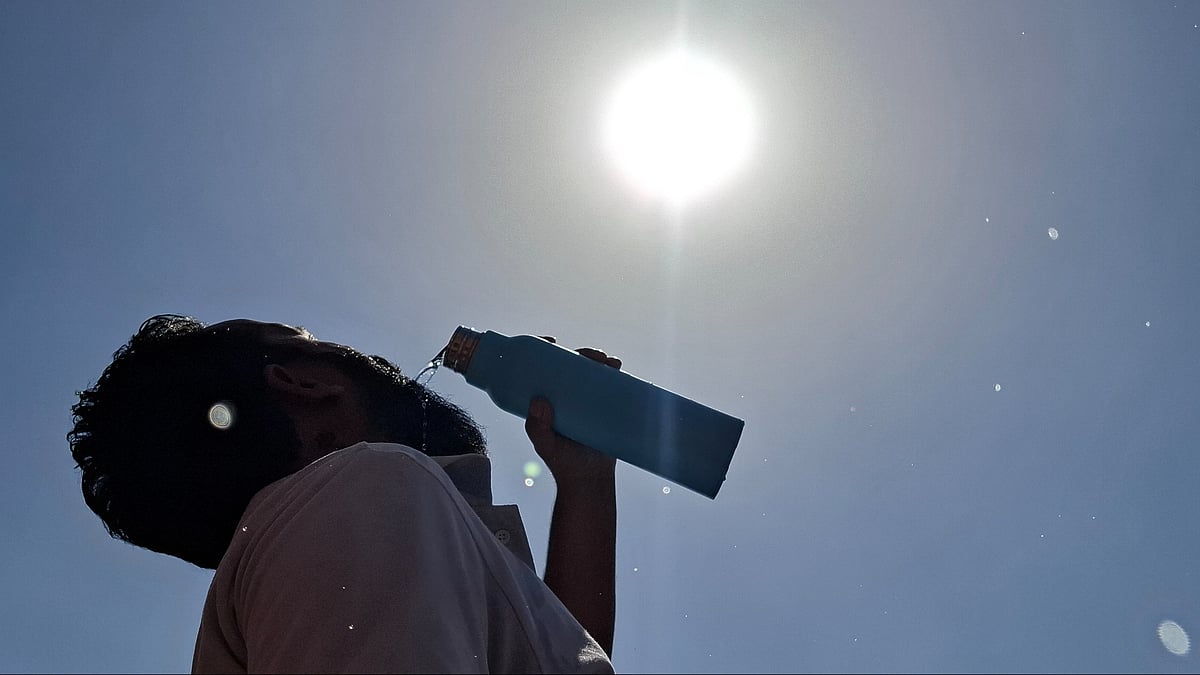
A new UN Environment Programme (UNEP) report has acknowledged that the world no longer has a scientifically plausible pathway to prevent global temperatures from breaching the 1.5°C warming threshold set under the Paris Agreement.
“We are at a point where there are no plausible scientific pathways left that keep temperatures below 1.5 degree Celsius,” the report said.
The report shifts the focus of climate action from preventing the breach altogether to limiting how far temperatures rise beyond 1.5°C and whether the world can eventually bring warming back towards that level.
Even under the most optimistic scenarios, global temperatures are projected to rise to at least 1.8°C above pre-industrial levels before declining. Most other pathways see temperatures peak above 2°C.
The report marks the first time an authoritative assessment has explicitly acknowledged that a breach of the 1.5°C threshold is now inevitable. Earlier assessments, including those by the Intergovernmental Panel on Climate Change (IPCC), had continued to identify a narrowing window in which the target could theoretically be met.
The 1.5°C figure itself is a politically agreed threshold rather than a point at which climate impacts suddenly change. However, scientists expect the intensity and frequency of extreme weather events, floods, droughts and heatwaves to increase as global temperatures rise.
Under the 2015 Paris Agreement, countries committed to holding the increase in global average temperatures to well below 2°C above pre-industrial levels while pursuing efforts to limit warming to 1.5°C.
The world has already crossed the threshold on a short-term basis. 2024 was the warmest year on record, with the annual global average temperature estimated at about 1.55°C above pre-industrial levels. Several individual months between July 2023 and December 2024 also exceeded 1.5°C.
However, these short-term breaches do not mean the Paris threshold has been permanently crossed. Scientists assess such limits using long-term warming trends, which smooth out temporary influences such as El Niño. In 2025, warming fell to around 1.45°C.
The UNEP report warns, however, that the world is now moving towards a period in which annual temperatures could consistently exceed 1.5°C.
It notes that the IPCC had previously estimated that the 1.5°C level could be crossed around 2035, while more recent assessments indicate that the remaining carbon budget at current emissions rates could be exhausted much sooner.
A return to below 1.5°C, meanwhile, is far from guaranteed.
“Even if a return to below 1.5 degree Celsius is secured, many nations and communities will face irreversible losses and permanently changed conditions,” the report says.
Climate impacts are already being felt, with recent disasters providing a warning of what further warming could mean. Ajay Mathur, former director general of the International Solar Alliance and a former climate negotiator for India, pointed to the recent flash floods in Nepal as an example.
“The disaster in Nepal reminds us with horrific clarity that an ‘overshoot in temperature’ carries a human cost measured in lives lost and communities shattered,” Mathur said.
He said delayed climate action was no longer merely a policy failure but was contributing to ecological destabilisation.
Mathur noted that the Paris Agreement had helped bend the projected emissions trajectory from nearly 4°C of warming before the agreement to around 2.8°C under current levels of climate action.
But the UNEP report makes clear that cutting emissions remains the most important requirement even if the world eventually seeks to bring temperatures down after an overshoot.
One possible route involves carbon dioxide removal (CDR) technologies, which remove CO₂ from the atmosphere. The report says these technologies will be necessary for a return towards 1.5°C but cannot substitute for rapid emissions reductions.
“CDR will be needed in addition to, not instead of, sustained reductions in greenhouse gas emissions,” it says.
Even optimistic expansion of carbon-removal technologies is unlikely to reduce global temperatures by more than a few tenths of a degree this century.
The implication is stark: the climate challenge is no longer simply about keeping the planet below 1.5°C. It is about how high temperatures rise beyond it, how long that overshoot lasts, and how much irreversible damage occurs before — or if — warming can be brought down again.
Join our official telegram channel (@nationalherald) and stay updated with the latest headlines