World
10-day Israel–Lebanon ceasefire takes effect; UN chief welcomes move
Israeli PM Benjamin Netanyahu says Israel will keep a 10-km security zone in southern Lebanon during the ceasefire, citing security concerns
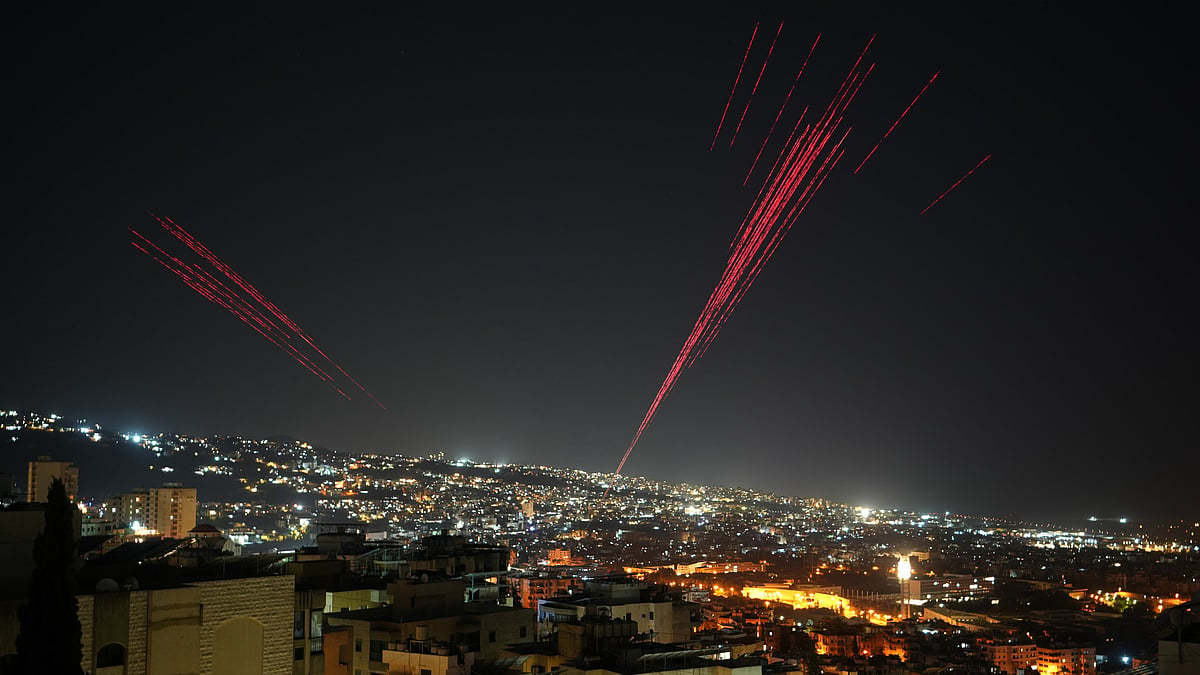
A 10-day ceasefire between Israel and Lebanon came into effect at midnight between Thursday and Friday, following an earlier announcement by US President Donald Trump. The truce seeks to halt over a month of intense cross-border hostilities between Israel and the Iran-backed group Hezbollah, which have left more than 2,000 people dead.
Despite the ceasefire, Israel’s military said it carried out strikes on over 380 Hezbollah targets in southern Lebanon in the final 24 hours leading up to the truce. The targets reportedly included militants, rocket launchers, and operational headquarters.
Israel’s emergency service, Magen David Adom, said Hezbollah launched rockets into Israeli territory in the final hours before the ceasefire took effect, injuring three people.
In a televised statement, Israeli Prime Minister Benjamin Netanyahu said Israel would maintain a 10-kilometre security zone in southern Lebanon during the ceasefire period, citing ongoing security concerns. He ruled out a full withdrawal and called for Hezbollah’s disarmament, while also describing the moment as a potential opportunity for long-term peace.
Trump indicated that diplomatic efforts would continue, saying he plans to meet Netanyahu and Lebanese President Joseph Aoun at the White House in the coming weeks. He described the proposed talks as potentially historic, noting they could mark the first such engagement in over four decades.
The ceasefire follows a sharp escalation that began when Israel expanded its military operations against Hezbollah, opening a new front in its broader regional tensions linked to Iran. While Lebanon is not formally at war with Israel, Hezbollah’s control over large parts of southern Lebanon and its cross-border attacks have triggered repeated Israeli retaliation, placing significant strain on the Lebanese state.
The success of the ceasefire remains uncertain and will likely depend on whether Hezbollah halts its attacks and Israel exercises restraint. Although Hezbollah is not a formal party to the agreement, reports suggest the group may adhere to the truce if Israel does the same.
UN secretary-general António Guterres on Friday welcomed the ceasefire between Israel and Lebanon, expressing hope it could lead to lasting peace in the region.
He praised the US role in facilitating the agreement and urged all parties to respect the truce and comply with international law.
Earlier, UN spokesperson Stéphane Dujarric also called on both sides to honour the ceasefire, noting that civilians in Lebanon and northern Israel have endured heavy suffering and deserve to live in peace.
The UN spokesperson said the United Nations welcomes any steps to end hostilities and ease suffering on both sides of the Blue Line, the UN-demarcated boundary between Lebanon and Israel established in 2000.
He added that the UN, through its political and peacekeeping missions, is ready to support ongoing efforts and continues to call for full implementation of Security Council Resolution 1701, aimed at achieving a lasting ceasefire and long-term settlement. He stressed that there is no military solution to the conflict.
With IANS inputs
Join our official telegram channel (@nationalherald) and stay updated with the latest headlines