World
After Khamenei’s death, IRGC vows ‘most ferocious offensive’ against US, Israel
Islamic Revolutionary Guard Corps says the “hand of revenge” will not rest until a “severe and decisive punishment” is delivered
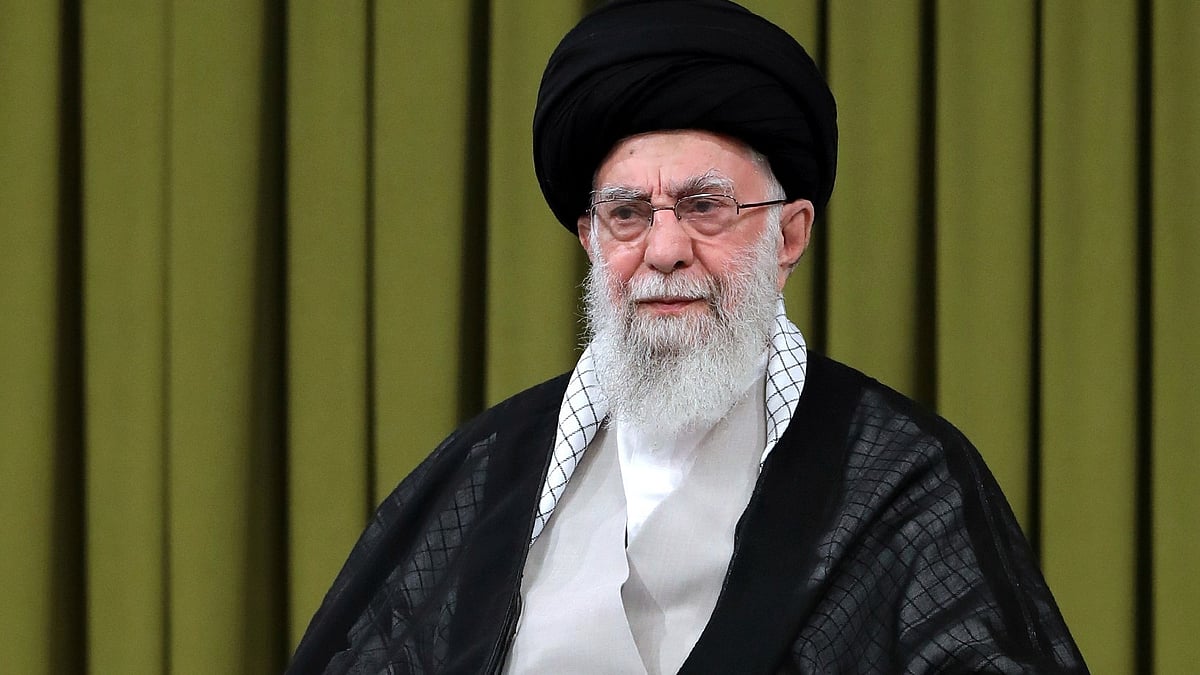
Iran’s powerful Islamic Revolutionary Guard Corps (IRGC) has vowed fierce retribution following reports that supreme leader Ayatollah Ali Khamenei was killed in a sweeping US-Israeli strike, warning that what it called the “murderers” of the cleric would face the “most ferocious offensive operation in history.”
In a defiant statement posted on its official Telegram channel, the IRGC declared that “the hand of revenge of the Iranian nation” would not rest until a “severe, decisive and regrettable punishment” was delivered. The message, steeped in revolutionary rhetoric, portrayed Khamenei as the “Imam of the Ummah” and framed his reported killing as an assault not merely on a leader, but on the Islamic Republic itself.
The Guards said they, along with Iran’s Armed Forces and the volunteer Basij militia, would “powerfully continue the path of their leader,” standing firm against what they described as internal and external conspiracies. They promised a “lesson-giving punishment” for aggressors targeting the Islamic homeland.
Iran’s Cabinet echoed the threat, warning that the “great crime will never go unanswered,” even as uncertainty swirled over the precise contours of Tehran’s response.
The reported killing of Khamenei in what has been described as an epochal US-Israeli operation marks a dramatic inflexion point in Iran’s 46-year Shia-theocratic order. The 86-year-old cleric had ruled with an iron grip for 36 years, shaping the country’s political, military and religious trajectory. His death, if fully confirmed, would represent the most profound rupture in the Islamic Republic since its founding.
US President Donald Trump announced the strike on his social media platform, Truth Social, asserting that Khamenei had been unable to evade “our Intelligence and Highly Sophisticated Tracking Systems”, and claiming that close coordination with Israel left him and other targeted leaders with “not a thing… they could do.”
Despite Trump’s declaration, Iran has yet to issue a definitive confirmation, and the nation’s political future remains clouded. As of Sunday evening, there was no formal announcement on who would fill the leadership vacuum, though Iran retains a hierarchy of senior clerical, civilian and military figures capable of assuming interim authority. It also remained unclear whether other high-ranking officials were killed in the operation.
Almost immediately after the US-Israeli assault began, Tehran retaliated with a barrage of drones and missiles directed at Israel and several regional states, including Qatar, Bahrain, the United Arab Emirates, Jordan and Kuwait — a fusillade that set off alarms across a broad swath of the Middle East and heightened fears of a wider conflagration.
The strike was launched shortly after midnight in Washington — and in daylight hours in Iran — just two days after inconclusive nuclear talks in Geneva, reportedly facilitated by Oman. On Friday, Trump had signalled frustration, saying he was “unhappy” with the pace of negotiations and insisting that Washington’s objective remained the complete cessation of Iran’s uranium enrichment programme. Oman and Iranian officials had, however, suggested progress in the talks.
The confrontation unfolded against a backdrop of domestic unrest within Iran. Only last month, the country was convulsed by protests sparked by soaring inflation and economic hardship. Though the demonstrations were forcefully suppressed, with reports of significant casualties, they exposed simmering public discontent beneath the regime’s rigid surface.
In announcing the operation, Trump appeared to widen Washington’s objective from curbing Iran’s nuclear ambitions to seeking regime change, describing the strike as an effort to decapitate the Islamic Republic’s religio-political and military leadership.
Reports circulating on X suggested that some Iranians celebrated news of Khamenei’s reported death, though there were no immediate signs of a coordinated mass uprising. The human toll of the strikes — both within Iran and across the region — remains unclear, even as governments brace for what could become a defining chapter in Middle Eastern history.
With IANS inputs
Join our official telegram channel (@nationalherald) and stay updated with the latest headlines