World
Bangladesh’s GDP growth hits 25-year low of 3.2% amid mounting economic woes
Weak remittances, sluggish exports, low FDI, tax evasion and banking sector stress are worsening economic pressures
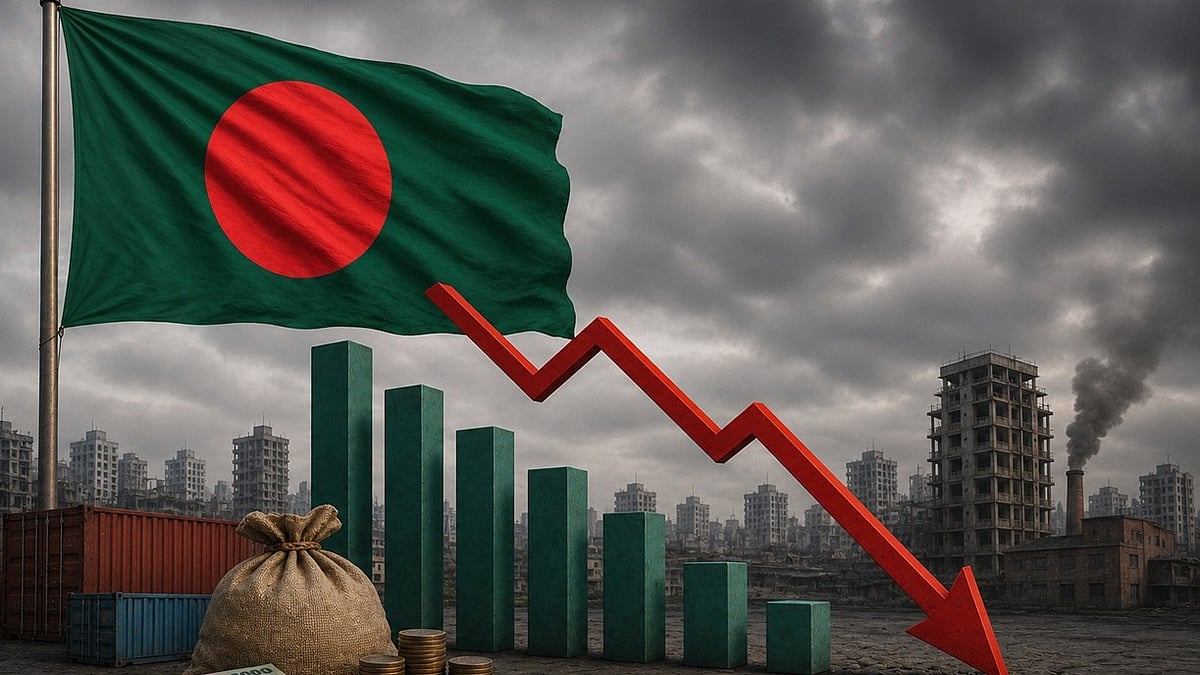
Bangladesh's GDP growth has fallen to 3.2 per cent, its lowest in over 25 years, amid rising inflation and industrial disruptions
Weak remittances, sluggish exports, low FDI, tax evasion and banking sector stress are worsening economic pressures
The article calls for fiscal discipline, realistic project costs, spending cuts and stronger governance to address the growing deficit and economic crisis
Bangladesh's economic growth has slowed to 3.2 per cent, reportedly its lowest level in more than 25 years, amid rising inflation and disruptions in industrial production, according to an article published in Dhaka-based The Daily Star.
The article flags several challenges facing the economy, including sluggish remittance inflows, weaker-than-expected export growth, concerns over inflated costs of mega projects, rising non-performing loans (NPLs) in the banking sector and a credit crunch in industrial financing.
It also points to inadequate foreign direct investment (FDI), which has constrained employment generation, industrial investment and export growth in recent years. The near-term economic outlook, it adds, remains uncertain.
Widespread tax evasion has further compounded the country's economic difficulties. Revenue collection in the first quarter of the current fiscal year fell short of the target by Tk 42,000 crore, while the national budget for 2026-27 has projected a substantial deficit of Tk 2,00,000 crore.
The article cautions that bridging the fiscal gap could prove difficult given the structural and administrative weaknesses of the National Board of Revenue (NBR). If the current trend continues, the budget deficit could widen further, making the economic outlook increasingly uncertain.
It also highlights the difficult business environment at the national, regional and global levels, arguing that reviving economic activity will require more than short-term measures. High fixed costs, ongoing mega projects and mandatory economic and social spending commitments are adding to financial pressures, with the country facing an apparent cash crunch.
Weak governance, lack of transparency and inadequate accountability have contributed to corruption over the years, the article observes, adding that it remains unclear whether the country has moved beyond these longstanding problems.
While the prime minister's decision to cut personal expenditure may signal political commitment to fiscal discipline, the article argues that broader reforms are essential. It calls for realistic budgeting of capital projects, cuts in unproductive and revenue expenditure, and improvements in governance to steer the economy out of its current crisis.
With IANS inputs
Join our official telegram channel (@nationalherald) and stay updated with the latest headlines