World
Brazil’s president vows to shield economy from West Asia conflict fallout
Luiz Inácio Lula da Silva warns against fuel price speculation and promises measures to protect consumers
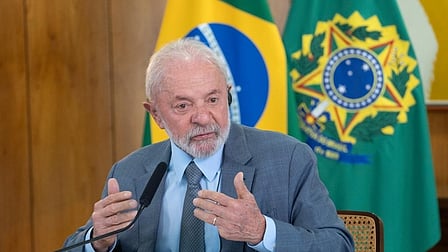
President Luiz Inácio Lula da Silva has pledged to protect Brazil’s economy from the ripple effects of the ongoing conflict in the West Asia, warning that while the duration of the crisis remains uncertain, his government will act to minimise its impact on ordinary citizens.
Speaking in an interview with a local television broadcaster, the president acknowledged that it was impossible to predict how long the strikes involving the United States and Israel against Iran would continue. However, he emphasised that his administration was focused on ensuring that global economic pressures—particularly rising fuel prices—do not burden Brazilian households.
He said the government was taking extensive steps to prevent international price increases from affecting consumers, including truck drivers and families, stressing that authorities would not allow external shocks to translate into higher daily expenses.
Measures include closer oversight of the domestic fuel market and coordinated monitoring efforts involving security agencies to curb potential price manipulation within the supply chain.
The president also highlighted fiscal interventions such as tax exemptions and subsidies aimed at stabilising fuel costs domestically. He warned against speculative practices, signalling that stricter controls would be enforced to ensure fair pricing.
Earlier this week, Lula had strongly criticised the United States’ actions in Iran, describing the conflict as unnecessary and based on unfounded claims regarding nuclear weapons. Drawing parallels with past conflicts, he argued that similar justifications had been used before without evidence, and reiterated his longstanding view that war does not provide lasting solutions.
His remarks come amid growing global concern over the economic consequences of escalating geopolitical tensions, particularly for emerging economies vulnerable to fluctuations in energy prices.
With IANS inputs
Join our official telegram channel (@nationalherald) and stay updated with the latest headlines