World
Yemen humanitarian crisis worsens as over 184,000 displaced since August
UN agencies warn of disease outbreaks, shortages and funding gaps as Yemen’s health system comes under strain
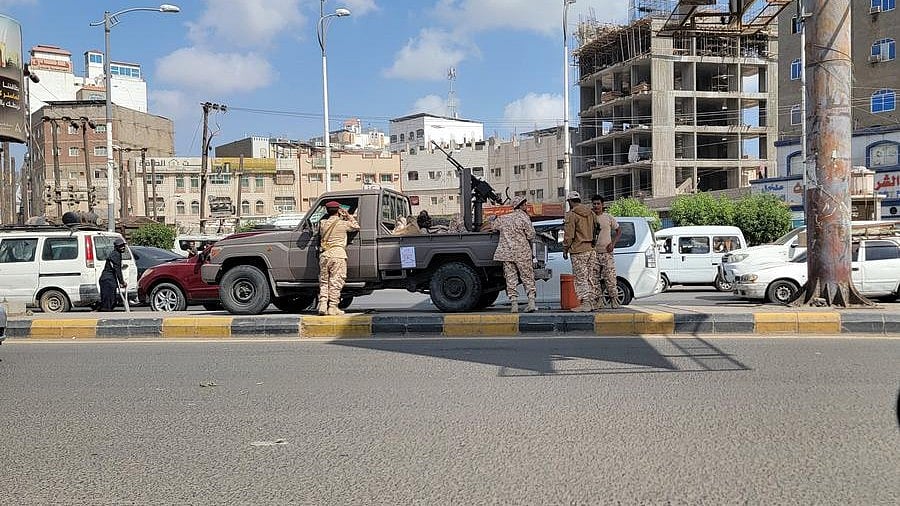
More than 184,000 people have been displaced across Yemen since 1 August, including over 21,000 in the past week, as the humanitarian crisis worsens
UN agencies warn of rising disease outbreaks, shortages of food and medicines, and severe funding gaps amid growing pressure on Yemen’s fragile health system
Blocked roads, civilian casualties and explosive hazards are restricting movement and humanitarian access, with OCHA urging all parties to protect civilians and facilitate aid
Civilians in Yemen continue to flee their homes as the prolonged conflict drives a worsening humanitarian crisis, with more than 184,000 people displaced nationwide since 1 August, UN humanitarians said.
More than 21,000 people have been displaced in the past week alone, according to the UN Office for the Coordination of Humanitarian Affairs (OCHA), which cited figures from the International Organization for Migration.
The United Nations and its humanitarian partners have reached more than 126,000 people with life-saving assistance. However, OCHA warned that humanitarian needs continue to outpace the resources available.
The World Health Organization has also warned of major funding shortfalls as displacement, disease outbreaks and the ongoing conflict place additional strain on Yemen’s already fragile health system.
“Cholera cases have tripled in recent weeks -- including in displacement camps -- while measles, dengue and malaria continue to spread,” OCHA said.
Key roads linking Taiz governorate with major cities, including Hodeidah, Aden and Sanaa, remain blocked, severely restricting civilian movement, the flow of commercial supplies and humanitarian access, the UN office said.
The closures have also contributed to shortages of essential commodities and medical supplies, while food and fuel prices have risen sharply. OCHA said there are growing concerns over the availability of flour, cooking gas and medicines.
The UN office said it was alarmed by reports of civilian casualties, damage to civilian property and increasing risks from explosive hazards. These factors are further limiting humanitarian access and making it more difficult for civilians to move safely.
“OCHA continues to assess the humanitarian impact and calls on all parties to protect civilians and facilitate humanitarians’ efforts to safely and swiftly reach them with the support they need,” it said.
With IANS inputs
Join our official telegram channel (@nationalherald) and stay updated with the latest headlines