World
Dubai airport passenger traffic falls 31.3 pc in H1 amid US-Iran war disruptions
Dubai International Airport sees passenger volumes recover steadily in Q2 as airlines restore capacity; airport expects stronger traffic in second half
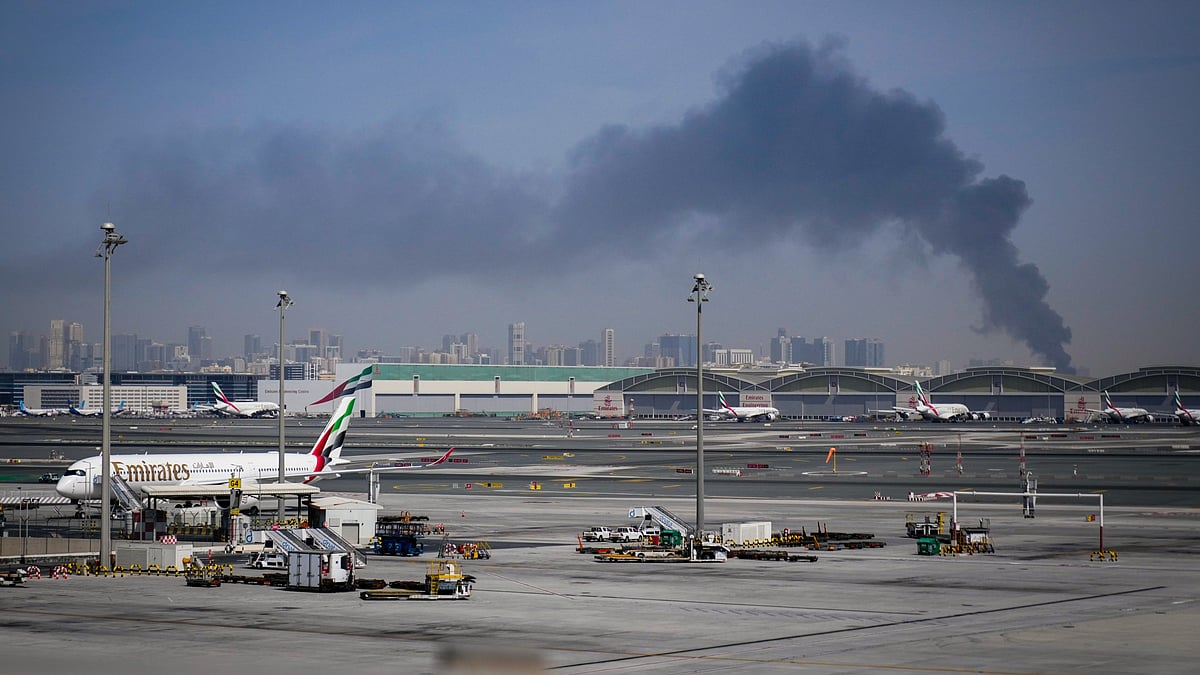
Passenger traffic at Dubai International Airport (DXB) fell 31.3 per cent in the first half of 2026 as the US-Iran war disrupted air travel across the Gulf, although traffic showed signs of recovery during the second quarter, the airport operator said on Wednesday.
DXB handled 13 million passengers during the second quarter, with monthly traffic rising steadily from 3.5 million in April to 4.5 million in May and 5 million in June.
The airport recorded 150,600 aircraft movements during the first six months of the year, down 32.1 per cent from the corresponding period. Of these, 62,500 movements took place during the second quarter.
By the end of June, DXB was connected to 217 destinations across 99 countries through nearly 50 international airlines. Passenger load factors also continued to improve as international connectivity recovered.
Cargo and baggage volumes decline
Cargo volumes at the airport fell 28.7 per cent year-on-year to 751,340 tonnes during the first half of 2026. The airport handled 351,716 tonnes of cargo in the second quarter.
The number of bags processed during the first six months fell 28 per cent to 30.3 million, including 12.7 million in the second quarter.
Despite the lower volumes, DXB said its mishandled baggage rate remained well below the global industry benchmark. The airport recorded 2.7 mishandled bags per 1,000 passengers, compared with a global benchmark of around 4.9 per 1,000.
DXB expects stronger second half
Dubai Airports said passenger volumes increased throughout the second quarter despite continued regional airspace restrictions.
The airport expects traffic to strengthen in the second half of the year as international airlines restore routes and flight frequencies, transfer traffic increases and travel advisories are eased in key markets.
The winter flight schedule and Dubai's busy calendar of international business, leisure and sporting events are also expected to support passenger demand.
DXB CEO Paul Griffiths said the first half had tested the aviation system but that the recovery in capacity was already translating into stronger demand.
“The first half of the year tested every part of the aviation system, and demonstrated our resilience,” Griffiths said.
He added that the airport was well positioned to accommodate returning demand as capacity was restored, particularly because international transfer passengers account for a significant share of DXB's traffic.
War disrupts Gulf aviation
The US-Iran war, which began on February 28, has caused widespread disruption to aviation across the Middle East. Airlines have cancelled, rescheduled and redirected flights as regional airspace restrictions affected major routes.
The impact has extended beyond the Gulf, with higher jet fuel prices adding to pressure on airlines worldwide.
Dubai International Airport, one of the world's major international aviation hubs, was particularly exposed to the disruption because of its heavy reliance on international and connecting passengers.
Despite the sharp fall in first-half traffic, the steady increase in monthly passenger volumes during the second quarter has given the airport confidence that demand is recovering as airlines restore connectivity.
DXB expects the combination of returning airline capacity, stronger international transfers and Dubai's winter travel season to drive a significant improvement in passenger traffic during the second half of 2026.
Join our official telegram channel (@nationalherald) and stay updated with the latest headlines