World
Ebola crisis deepens in DR Congo as death toll crosses 1,300
Public health expert Abdulsalami Nasidi describes the outbreak as spreading with alarming speed
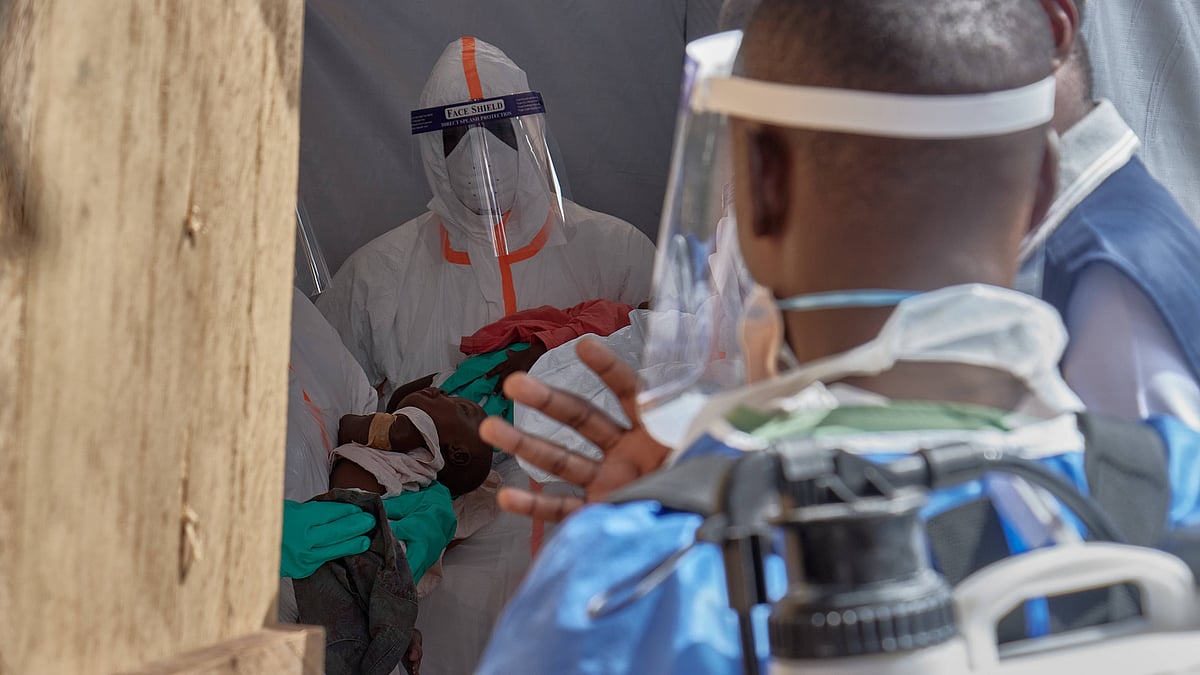
The Democratic Republic of Congo is facing one of its most alarming Ebola crises yet, with the death toll from the latest outbreak climbing beyond 1,354 as infections surge at an unprecedented pace, raising fears of a rapidly expanding public health catastrophe, the Al Jazeera reported.
Fresh government figures released on Saturday showed that the total number of confirmed Ebola cases, including deaths, has risen to 3,075 — a sharp increase of 27 per cent from the previous week. The speed at which infections and fatalities are mounting has made the outbreak the fastest-spreading Ebola epidemic ever recorded.
Adding to the concern is the strain of the virus behind the outbreak — Bundibugyo Ebola, one of the rarest variants known to infect humans. Unlike some other Ebola strains, there are currently no approved vaccines or treatments specifically available for this variant.
Public health expert Abdulsalami Nasidi, who helped establish the Africa Centres for Disease Control and Prevention (Africa CDC), described the outbreak as spreading with alarming speed.
"The virus is spreading like a wildfire," Nasidi said, warning that the absence of a proven vaccine, combined with ongoing conflict in affected areas, has created a dangerous environment for the disease to flourish.
The crisis is unfolding in eastern DR Congo, where armed conflicts and insecurity have severely complicated efforts to contain the virus. Health workers are struggling with limited resources, restricted access to affected communities and growing pressure on medical facilities.
Scientists are racing against time to develop tools to slow the outbreak. The University of Oxford’s Oxford Vaccine Group announced that a volunteer received the first dose of an experimental vaccine developed for the Bundibugyo strain on Friday.
"This is an important milestone for the trial and marks the next phase in our multinational collaborative journey to develop a Bundibugyo ebolavirus vaccine," said trial chief investigator Katrina Pollock.
The scale of the current outbreak has raised comparisons with the devastating 2013-2016 Ebola epidemic in West Africa, which claimed more than 11,000 lives among over 28,000 cases reported in Guinea, Liberia and Sierra Leone. That outbreak took nearly eight months to reach 1,000 deaths, while the latest crisis in DR Congo has crossed that grim mark in less than 10 weeks.
"We must act now. If we do not stop it today, this will become the worst outbreak the world has ever documented," Africa CDC director-general Jean Kaseya warned.
The response effort has also been strained by a growing toll among frontline workers. More than 100 healthcare workers have been infected, with around 35 deaths reported, as medical teams face shortages of protective equipment and resistance from some communities sceptical about the disease.
In Ituri province, the epicentre of the outbreak, healthcare workers have staged protests and strikes over unpaid wages and unsafe working conditions. At the Elikya Ebola Treatment Centre in Bunia, nearly 100 workers halted operations on Saturday, demanding payment of pending bonuses and better support.
"We need to be paid, because in the meantime the disease is spreading at the treatment centre," said striking worker Martin Bolombi, highlighting the mounting frustration among those on the front lines.
The World Health Organization (WHO) has warned that the true scale of the outbreak could be far higher than official figures suggest. WHO director-general Tedros Adhanom Ghebreyesus said the number of cases could be more than double the reported count due to difficulties accessing remote and conflict-hit communities.
Although contact tracing efforts have reached around 80 per cent of known contacts, response teams continue to face obstacles in reaching every affected village.
International concern has also grown, with some countries introducing travel restrictions for people arriving from DR Congo, despite WHO guidance advising against broad travel bans. Tedros has called for a ceasefire in eastern DR Congo, stressing that medical interventions alone cannot contain the outbreak without improved security and humanitarian access.
As Ebola continues to spread through fragile communities, health authorities warn that swift action, stronger coordination and greater international support will be critical to preventing the crisis from becoming the world’s most devastating Ebola outbreak yet.
Join our official telegram channel (@nationalherald) and stay updated with the latest headlines