World
Economic pressure on Iran makes major strikes needless, says Marco Rubio
US secretary of state seeks international support to secure Strait of Hormuz shipping and rules out linking Lebanon's future to US-Iran talks
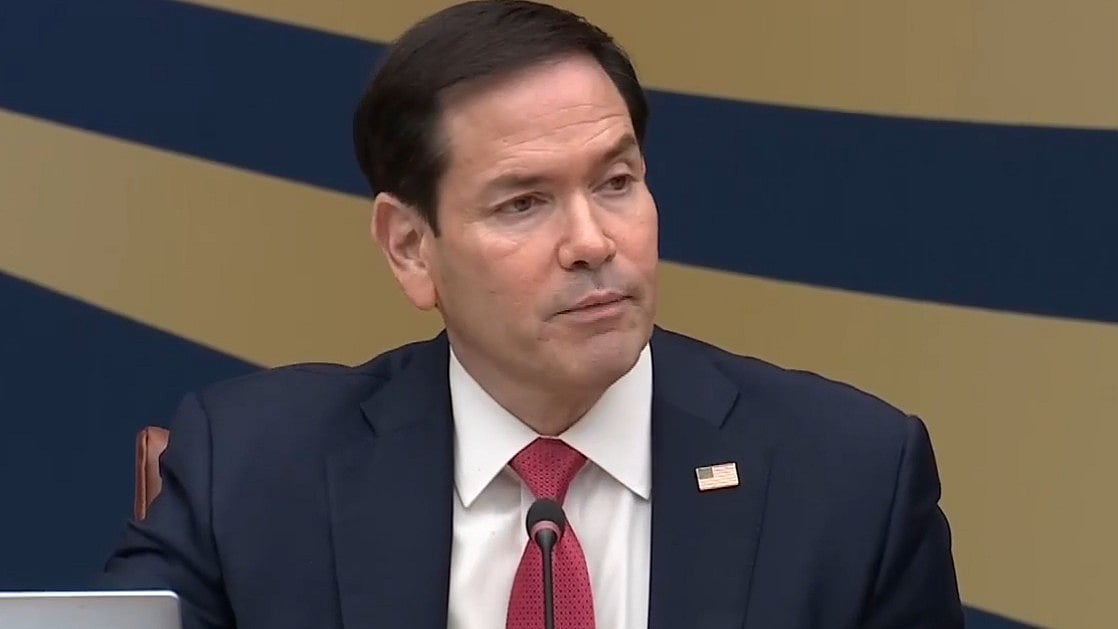
Marco Rubio says US sees no immediate need for major strikes on Iran as sanctions and blockade squeeze Tehran's oil revenues, warning of military retaliation if civilian infrastructure is targeted
Washington remains open to talks but rejects Iran's demands for reparations and cash payments
Rubio seeks international support to secure Strait of Hormuz shipping and rules out linking Lebanon's future to US-Iran talks
US secretary of state Marco Rubio has said the Trump administration sees no immediate need for major combat operations against Iran, arguing that an intensifying economic campaign involving sanctions and a naval blockade is inflicting severe damage on Tehran's finances. However, he warned that Washington remains prepared to use military force if Iran escalates attacks, particularly against civilian infrastructure.
Speaking to reporters after a G7 meeting, Rubio rejected suggestions that the absence of fresh large-scale US strikes indicated a stalemate in the conflict. He maintained that economic pressure was steadily weakening Iran's ability to sustain its activities and that the impact would become more severe in the coming weeks.
"The economic campaign is so devastating that right now there really is no need for major combat operations," Rubio said, adding that he had shared this assessment with Washington's international partners.
He said the combination of sanctions and the blockade was sharply reducing Iran's oil revenues. According to Rubio, Tehran was nearing the exhaustion of oil supplies already at sea, which had been shipped during a temporary ceasefire when the blockade was suspended.
"Once that dries up, almost all of their oil revenue will dry up," he said.
Rubio added that treasury secretary Scott Bessent and US intelligence agencies were working to shut down routes used by Iran to circumvent sanctions. He argued that the resulting financial constraints would undermine Tehran's ability to fund its nuclear programme, support armed groups and pursue other activities.
However, the transcript of Rubio's remarks did not provide independent figures to substantiate the administration's assessment of the economic impact of the sanctions and blockade.
The US secretary of state also issued a fresh warning against Iranian attacks on civilian infrastructure, saying Tehran would face severe consequences if it pursued such a course.
"If they do that, then they'll pay a terrible price," he said.
Despite the economic and military pressure, Rubio said Washington remained open to a diplomatic settlement. He noted that Qatar and other countries were continuing mediation efforts, revealing that the Qatari prime minister had met US President Donald Trump in Washington the previous day.
However, he described Iran's negotiating demands as unrealistic, making clear that the US would not agree to reparations or cash payments as part of a deal.
Rubio said Washington was not opposed to Iran having a civilian nuclear energy programme, provided it was comparable to those maintained by other countries.
"If there's a deal to be done, the President will be the first one to be in favour of it, but it's not going to be a stupid deal," he said.
Rubio also rejected suggestions that Gulf economies were being devastated by the conflict, arguing that oil shipments were continuing despite Iranian drone attacks on commercial vessels.
He said oil flows had recovered to between 80 and 85 per cent of pre-conflict levels on some nights, attributing the remaining shortfall to the disruption of Iranian exports.
He called on other countries to contribute to efforts to protect commercial shipping through the Strait of Hormuz, a critical global energy transit route. However, Rubio acknowledged that he had received no commitments when he raised the issue with G7 counterparts.
He suggested that any such commitments would probably require decisions at the level of heads of government.
The discussions at the G7 meeting focused primarily on developments in the Middle East and Ukraine. Representatives from Saudi Arabia, Brazil, Egypt and South Korea also participated.
Rubio also sought to distinguish the situation in Lebanon from the wider negotiations with Tehran, rejecting any suggestion that the country's future should be tied to a potential US-Iran agreement.
He said Washington was conducting direct mediation between Lebanon and Israel and working on a mechanism to verify compliance with existing arrangements, including Israeli withdrawals and deployments by the Lebanese armed forces.
His remarks underline the Trump administration's dual approach towards Iran: intensifying economic pressure while keeping the possibility of negotiations open, alongside a warning that further escalation by Tehran could trigger a military response.
With IANS inputs
Join our official telegram channel (@nationalherald) and stay updated with the latest headlines