World
EC seeks additional security as Bangladesh faces renewed unrest
EC seeks extra escort for chief election commissioner and 24/7 police protection for all commissioners and senior secretary
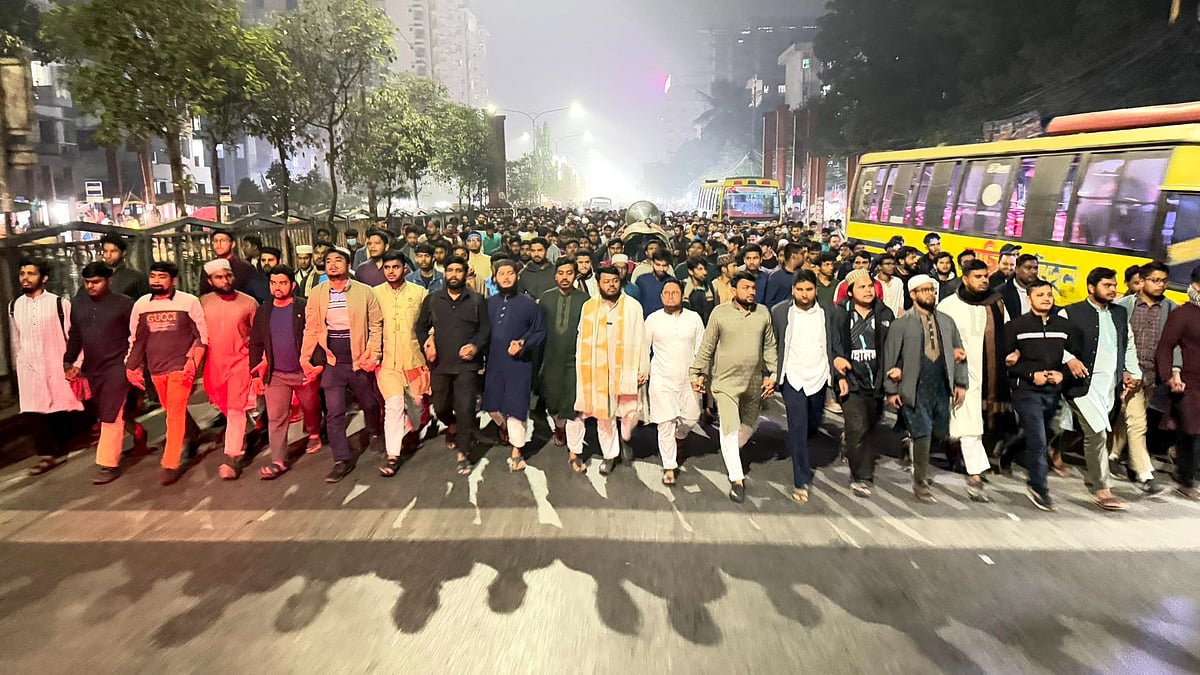
As Bangladesh braces for its 13th national parliamentary elections, a wave of unrest has swept across the nation, prompting the Election Commission (EC) to demand heightened security for its top officials and field offices. The call comes in the wake of a brazen attack on an election candidate and prominent activist, reflecting deepening tensions as the 12 February polls approach.
The EC has formally written to the inspector general of police, urging comprehensive protection for the chief election commissioner, other commissioners, and senior secretariat officials, according to the state-run BSS news agency. The request also extends to field-level offices, particularly after two regional election offices in Lakshmipur and Pirojpur were recently targeted by unidentified assailants following the announcement of the poll schedule.
In its appeal, the commission described the enhanced security measures as “urgent and necessary”, highlighting the crucial role its 10 regional offices, 64 district offices, and 522 sub-district offices play in safeguarding election materials and sensitive documents. The EC has requested an additional escort vehicle for the chief election commissioner, alongside round-the-clock police protection for all commissioners and the senior secretary.
The latest flare-up of violence follows the near-fatal shooting of Sharif Osman Hadi, a prominent parliamentary candidate and leader of last year’s student-led “July Uprising”, who was critically wounded while campaigning in the capital. Hadi, head of the radical right-wing cultural group Inquilab Mancha, had been at the forefront of protests that toppled the previous government, and his party played a central role in a campaign that led to the disqualification of the Awami League from the upcoming election.
In response to Hadi’s attack, the Bangladesh Nationalist Party (BNP) demanded immediate action to identify the perpetrators and called on the interim government to ensure the safety of all election candidates. “We demand that the real culprit be brought to justice and call upon the government to provide security for all candidates without delay,” said BNP Secretary General Mirza Fakhrul Islam Alamgir.
Amid growing fears over law and order, the government launched a nationwide security clampdown, dubbed “Operation Devil Hunt 2”, aiming to protect citizens and curb the threat posed by illegal arms. Home Adviser Lieutenant General Jahangir Alam Chowdhury assured that frontline figures of the July Uprising would receive special security and that firearms licenses would be issued to candidates for personal protection. The operation, first launched in February following protests and targeted attacks on government officials, now enters its second phase to ensure public safety and stabilise the electoral environment.
With the shadow of political violence looming large, the Election Commission and the government are racing against time to fortify security, safeguard democratic processes, and ensure that the upcoming elections proceed without further bloodshed, even as the nation stands on edge.
With PTI inputs
Join our official telegram channel (@nationalherald) and stay updated with the latest headlines