World
Funding crunch hits free cancer care in Pakistan’s Khyber Pakhtunkhwa
Health secretary Shahidullah Khan says steps are on to reallocate funds and resume treatment
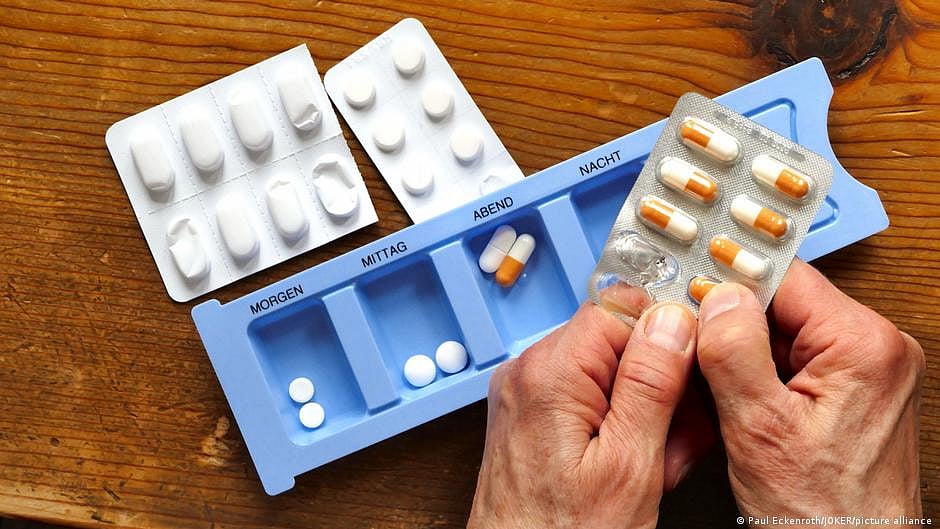
Free cancer treatment for thousands of patients in Khyber Pakhtunkhwa has been severely disrupted due to a funding shortfall, leaving many without access to life-saving medicines, local media reported on Friday.
Officials said the province’s flagship programme, run across major public hospitals including Hayatabad Medical Complex, Khyber Teaching Hospital and Ayub Teaching Hospital, is struggling to continue operations as funds remain partially unreleased. More than 1,000 registered patients are currently awaiting essential drugs, particularly at facilities in Peshawar and Abbottabad.
Health secretary Shahidullah Khan said efforts are underway to reallocate funds in coordination with the Planning and Development Department to resume treatment. For the 2025–26 fiscal year, the programme requires PKR 1,500 million, but only PKR 820 million has been released so far, leaving a gap of PKR 680 million.
The shortage has already begun to impact hospital supplies. At Ayub Teaching Hospital, 347 patients have received free medicines since August 2025, but stocks — last replenished in December — are now close to exhaustion. At Khyber Teaching Hospital, no stock remains, with at least 623 registered patients waiting for treatment.
Oncologists associated with the initiative warned that the disruption could have grave consequences, particularly for patients in advanced stages of cancer who rely entirely on the programme. Since its inception, the scheme has benefited over 10,000 patients, and doctors stressed that discontinuation of free medication could prove fatal for many due to the high cost of treatment.
The crisis is further compounded by a sharp rise in medicine prices across Pakistan. Reports from markets such as Bohor Bazaar indicate increases ranging from 50 per cent to as high as 500 per cent. Essential drugs for chronic conditions — including diabetes, hypertension, and thyroid disorders — have seen steep hikes. For instance, insulin injection devices have nearly doubled in price, while other common medications and supplements have also become significantly more expensive.
Critics have described the situation as “unbearable” for low-income patients, urging the government to intervene urgently to stabilise prices and ensure uninterrupted access to critical healthcare services.
With IANS inputs
Join our official telegram channel (@nationalherald) and stay updated with the latest headlines