World
Gaza faces critical shortage of prosthetic care as amputees surge: UN
Health partners warn of rising skin diseases and illnesses due to poor living conditions and pest infestations, worsening the crisis
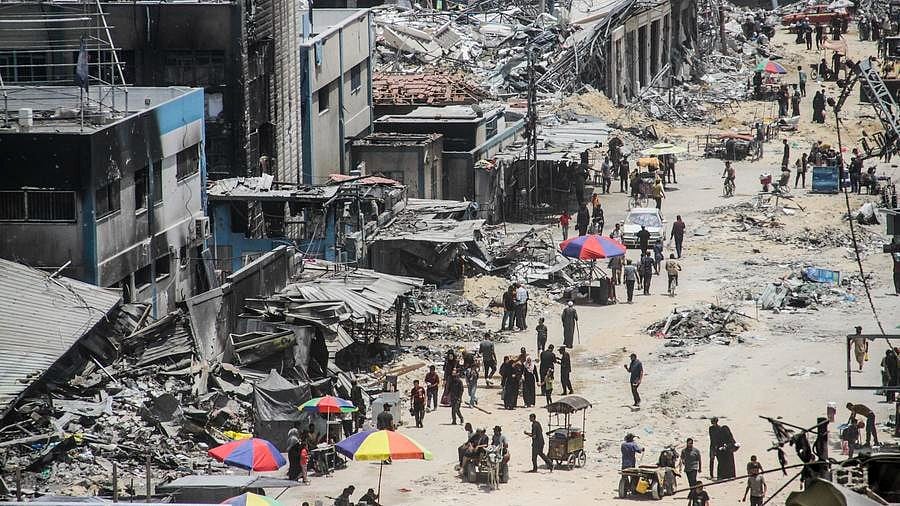
Humanitarian agencies have raised alarm over a severe lack of prosthetic and rehabilitation services in Gaza Strip, with thousands of amputees — many of them children — struggling to access care, according to the UN Office for the Coordination of Humanitarian Affairs (OCHA).
In an update on Monday, OCHA said more than 6,600 amputees in Gaza require prosthetic and rehabilitation support, including thousands who have lost limbs since October 2023. Nearly one in five of those affected are children. However, only eight prosthetic technicians are currently available to meet the growing demand.
Citing its humanitarian partners, OCHA warned that the gap between need and capacity is widening. “With severe shortages of specialists and restricted entry of prosthetic materials, it could take five years or more to meet today’s needs, assuming no further amputations occur,” the agency said. It stressed the urgent need for international specialists, expanded workshop capacity, and the unimpeded entry of essential materials, which remain restricted.
Tom Fletcher, the UN’s Emergency Relief Coordinator, said humanitarian efforts in Gaza have helped save lives, avert famine, and restore basic services, but cautioned that far more remains to be done. He underscored the need for sustained humanitarian access, protection of civilians, and stronger coordination among aid partners.
Despite constraints, UN agencies and partners have continued relief operations. Aid deliveries have reached nearly 4,500 households with tents, bedding, and sealing materials. In areas such as Khan Younis, emergency shelters made from plastic sheets and other available materials are providing temporary relief for displaced families, though upgrades depend on the entry of restricted supplies.
Health partners have also flagged rising concerns over skin diseases and other illnesses linked to poor living conditions, including infestations of pests and rodents — further compounding the humanitarian crisis in the enclave.
With IANS inputs
Join our official telegram channel (@nationalherald) and stay updated with the latest headlines