World
‘If not now, then when?’: Gaza health system near collapse, Palestine asks India to step up aid
Embassy says over 12,000 bodies remain trapped under Gaza rubble, with damaged cemeteries leaving remains exposed
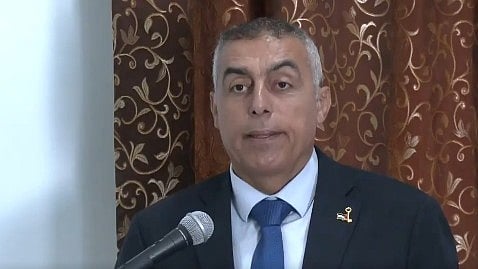
A day after the United States and Iran signed an interim agreement aimed at ending their 110-day conflict, the Embassy of Palestine in India on Thursday urged New Delhi and the international community to ensure the uninterrupted delivery of humanitarian and medical assistance to Palestinians, warning of a worsening healthcare crisis in Gaza and the Occupied West Bank.
Addressing a press conference in New Delhi, Palestinian ambassador Abdullah M. Abu Shawesh said the healthcare system in the Occupied Palestinian Territory had suffered a "catastrophic collapse" due to the ongoing Israeli military offensive in Gaza.
He appealed to India to play a more active role in humanitarian relief efforts and initiatives aimed at restoring peace in the region.
Invoking Prime Minister Narendra Modi's "Aarogya Maitri" initiative, Shawesh called for urgent medical intervention. "It is the exact moment to save thousands of innocent lives. If not India and the Indian people, then who? If not now, then when?" he said.
Endorsing the US-Iran agreement, Shawesh expressed hope that the interim arrangement would hold and eventually pave the way for a permanent settlement, helping ease tensions across the region.
Describing the humanitarian situation in Gaza as dire, the ambassador said the conflict had left tens of thousands dead or injured and pushed the enclave's healthcare infrastructure to the brink. Thousands of patients, he added, remain in urgent need of medical evacuation.
Citing figures from the World Health Organization and the United Nations, Shawesh said nearly 12,000 bodies were still believed to be trapped under rubble across Gaza, while the territory continued to face a severe public health emergency.
He said the breakdown of sanitation systems and worsening hygiene conditions had triggered the spread of skin diseases and parasitic infestations, while restrictions on humanitarian aid had heightened the risk of epidemics and infectious diseases.
Shawesh also highlighted the healthcare situation in the Occupied West Bank, including East Jerusalem, alleging that Israeli measures such as the continued withholding of Palestinian tax revenues had deepened the crisis and severely constrained the functioning of public health institutions.
"The scale of the crisis is alarming," he said.
According to data shared by the embassy, Palestinian government hospitals in the West Bank performed around 65,000 surgeries last year. In 2026, however, only about 19,500 surgeries have been carried out so far, while more than 11,000 scheduled procedures have been postponed because of shortages of medicines, medical supplies and operational capacity.
The ambassador said the Palestinian Ministry of Health requires around 520 essential medicines, of which nearly 180 are currently out of stock. Of the 97 medicines used for cancer and tumour treatment, 50 have completely run out, placing nearly 4,000 cancer patients at immediate risk, according to the embassy.
Join our official telegram channel (@nationalherald) and stay updated with the latest headlines