World
Iran awaits US response on Hormuz plan as Trump rejects roadmap
Masoud Pezeshkian says Tehran no longer trusts US talks, citing repeated attacks and sanctions, but remains open to a negotiated solution
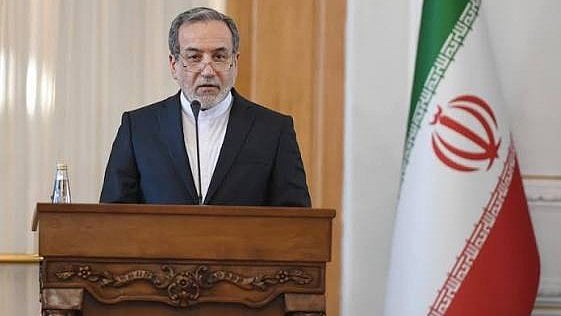
Iran awaits Washington’s formal response to its proposal to reopen the Strait of Hormuz within seven days, despite Trump rejecting the plan
Pezeshkian says Tehran no longer trusts US talks, citing repeated attacks and sanctions, but remains open to a negotiated solution
Saudi Arabia backs de-escalation and freedom of navigation in the Strait of Hormuz, Bab Al-Mandab and the Red Sea, while calling for stability in Yemen
Iranian foreign minister Abbas Araghchi says Tehran is still awaiting a formal US response through mediators to its proposal to reopen the Strait of Hormuz within seven days, despite US President Donald Trump saying he has rejected the plan, the Al Jazeera reported.
Araghchi says Iran has conveyed its conditions through mediators and will decide its next steps once Washington’s final position is communicated. Tehran’s proposal links the reopening of the strategic waterway to a halt in hostilities, an end to the US naval blockade, sanctions relief and the release of frozen Iranian assets, with nuclear talks to resume thereafter.
Trump said on Saturday that he had rejected Iran’s proposal, calling the deal unacceptable and saying Tehran was “losing so badly”.
Iranian President Masoud Pezeshkian, meanwhile, says Tehran no longer trusts negotiations with Washington, arguing that previous rounds of talks have been followed by attacks and sanctions. He says Iran remains open to a negotiated solution and would reopen the Strait of Hormuz if an agreement ends the conflict.
At the UN General Assembly, Saudi foreign minister Prince Faisal bin Farhan calls for freedom of navigation through key regional waterways, including the Strait of Hormuz, Bab Al-Mandab and the Red Sea. He also stresses the need to restore stability in Yemen and supports efforts aimed at de-escalation in the region.
Join our official telegram channel (@nationalherald) and stay updated with the latest headlines