World
Iran deal still unsettled as US-Iran rift persists over frozen assets: Trump
White House officials strike a cautious tone, say key disputes could delay a final deal by several days
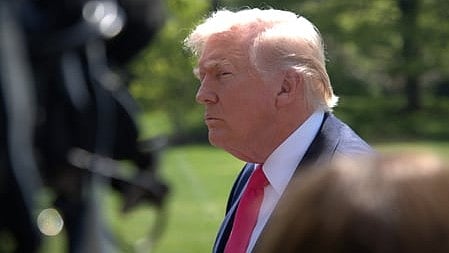
Uncertainty continues to cloud efforts to end tensions between the United States and Iran, with US President Donald Trump admitting that a proposed agreement with Tehran is “not fully negotiated yet” despite ongoing diplomatic efforts.
According to reports, White House officials have adopted a cautious approach, indicating that any final breakthrough could still take several days as key disagreements remain unresolved.
Iranian semi-official Tasnim news agency reported that Washington is still refusing to accept several clauses in a proposed memorandum of understanding (MoU) aimed at formally ending the conflict. One of the biggest sticking points remains the release of Iran’s frozen overseas assets, a demand Tehran has repeatedly described as non-negotiable.
Tasnim further claimed that despite talks held on Sunday, the possibility of the MoU collapsing altogether still exists, with Iran insisting it “will not back down from its red lines” regarding the rights and interests of its people.
Iranian foreign ministry spokesman Esmaeil Baghaei said Tehran and Washington are currently working to finalise a 14-clause framework intended to end the war and pave the way for a broader agreement within 30 to 60 days.
Speaking to Iran’s state-run IRIB television, Baghaei said the proposed MoU includes issues such as ending what Tehran calls the US “naval blockade” and securing the release of frozen Iranian funds abroad.
The latest diplomatic push comes weeks after Iran, the United States and Israel agreed to a ceasefire on 8 April following 40 days of fighting triggered by US and Israeli strikes on Iran beginning 28 February.
A subsequent round of talks between Iranian and US delegations in Islamabad on 11 and 12 April failed to produce a final agreement, underscoring the deep mistrust that continues to divide the two sides.
Meanwhile, regional tensions remain high. Israeli strikes on southern Lebanon reportedly killed at least two people and wounded 10 others in Arab Salim, while eight Arab and Muslim nations jointly condemned far-right Israeli national security minister Itamar Ben-Gvir over the alleged abuse of Gaza flotilla activists.
With IANS inputs
Join our official telegram channel (@nationalherald) and stay updated with the latest headlines