World
Iran open to talks without ‘language of force’, says Masoud Pezeshkian
Iranian president’s remarks come a day after Donald Trump warns that US could “annihilate” Iran if no deal is reached
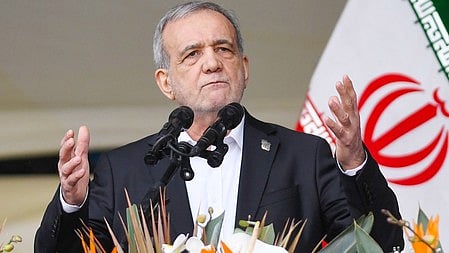
Iranian President Masoud Pezeshkian rejects US threats at UN, saying Iran is open to talks but not under “language of force”
Rubio says a US-Iran deal will require sustained effort, while keeping sanctions and military options open
Iran’s Rezaei threatens disruption at airports of countries enforcing US restrictions on Iranian flights
Iranian President Masoud Pezeshkian struck a defiant tone at the UN General Assembly on Wednesday, rejecting US threats and saying Tehran was ready for dialogue, diplomacy and negotiations but would not accept the “language of force”. His remarks came a day after US President Donald Trump warned that the US could “annihilate” Iran if no deal is reached, the Al Jazeera reported.
Pezeshkian said Iran would not surrender to pressure, while also stressing that diplomacy remained possible. His address followed the first US-Iran diplomatic contacts in months, with Iranian and US officials exchanging messages through mediators in New York. Tehran has called for an end to the war, the lifting of the US naval blockade and sanctions, and arrangements concerning the Strait of Hormuz as conditions for a diplomatic resolution.
US secretary of state Marco Rubio said reaching an agreement would require sustained effort, while warning that Trump still had military options. Rubio reiterated Washington’s position that Iran must not acquire a nuclear weapon and said sanctions or military action could follow if Tehran does not meet US demands.
At the same time, Mohsen Rezaei, secretary of Iran’s Supreme National Security Council, warned neighbouring countries against enforcing US restrictions on Iranian flights. He said Iran would ensure that airports in countries that stop Iranian flights “cannot function”, escalating tensions over Washington’s sanctions on countries allowing Iranian airlines to operate.
The latest exchanges highlight the competing pressures surrounding the renewed diplomatic channel: Washington is keeping military and sanctions options on the table, while Tehran says it is open to negotiations but rejects talks under coercion. The two sides remain divided over key issues, including sanctions, the war and access to the Strait of Hormuz.
Join our official telegram channel (@nationalherald) and stay updated with the latest headlines