World
Iran strikes Israeli refinery after attacks on Iranian energy infrastructure
Iran says several energy facilities were hit in alleged US-Israeli missile attacks
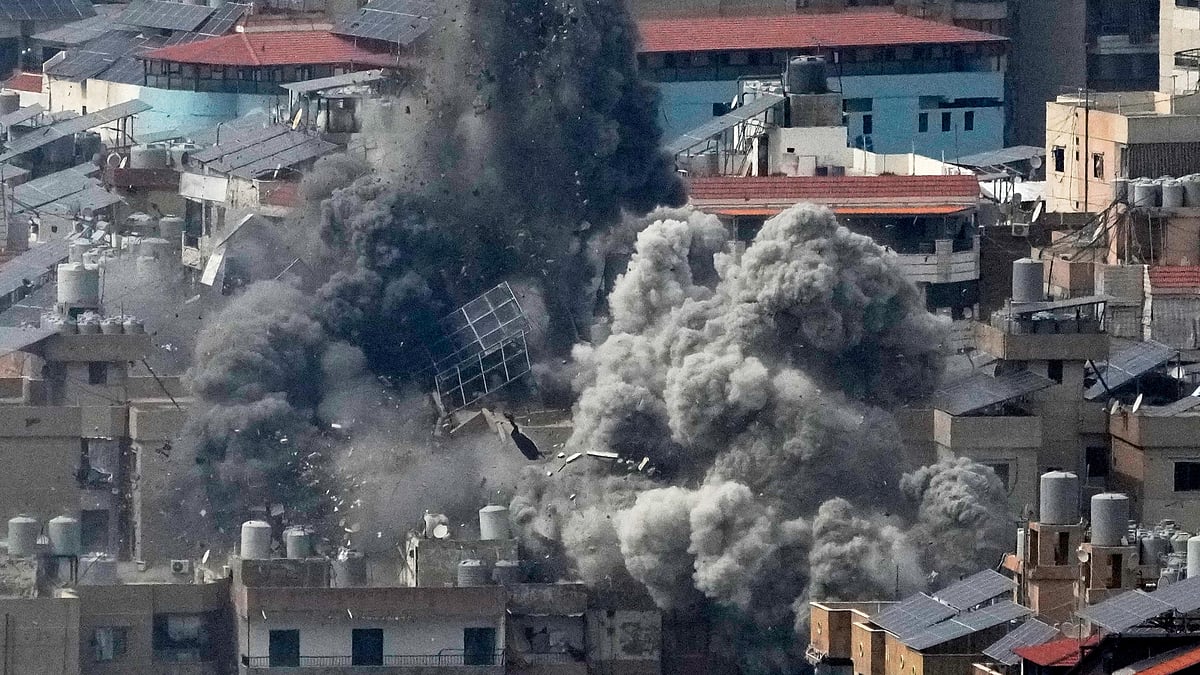
In a dramatic escalation of hostilities in West Asia, Iran’s Islamic Revolution Guards Corps (IRGC) announced that it had targeted a major oil refinery in Israel’s Haifa late on Saturday night, describing the strike as a direct retaliation for what it called joint US–Israeli attacks on Iran’s own energy infrastructure.
In a statement released through its official outlet, Sepah News, the IRGC said the facility was struck by its Kheibarshekan missiles, framing the operation as a response to the attacks that had damaged Iran’s strategic energy assets earlier in the night.
Simultaneously, Iran’s National Iranian Oil Refining and Distribution Company confirmed that several energy facilities across the country had come under missile attacks allegedly carried out by the United States and Israel. According to the state-linked company, a number of oil depots in the provinces of Tehran and Alborz were hit, triggering fires that engulfed sections of the installations. Emergency and firefighting teams were swiftly deployed and were working to contain the blaze, the company said, as reported by Xinhua news agency.
The Iranian capital itself appeared to be under intense pressure, with a fresh wave of heavy attacks striking Tehran on Saturday night. Residents reported hearing powerful explosions reverberating across multiple parts of the sprawling metropolis, underscoring the gravity of the unfolding confrontation.
The latest developments come in the aftermath of the February 28 joint strikes by Israel and the United States on Tehran and several other Iranian cities. Those attacks, among the most consequential in Iran’s modern history, killed the country’s Supreme Leader, Ali Khamenei, along with numerous others, including members of his family, senior military commanders and civilians. Iran responded with several waves of missile and drone strikes targeting Israeli territory as well as US military bases across the Middle East.
Reacting to the continuing hostilities, Ali Larijani, secretary of Iran’s Supreme National Security Council, accused Washington and Tel Aviv of attempting to fracture and destabilise the Iranian state. He urged US President Donald Trump to acknowledge what he described as a grave miscalculation.
“The Americans have left a scar on the hearts of our people. We will not let them go,” Larijani said, vowing that Iran would not forget the attacks.
Amid the mounting tensions, diplomatic channels appear to remain active. In an interview with Independent Arabia published on Saturday, Iran’s foreign minister Seyed Abbas Araghchi revealed that he has been in constant contact with Saudi Arabia’s Foreign Minister Faisal bin Farhan Al Saud.
Araghchi said Saudi officials had assured Tehran that they remain firmly committed to ensuring that Saudi territory, airspace and waters would not be used for any military action against Iran — a pledge that could prove significant as the regional crisis deepens and threatens to draw in more actors across the Middle East.
With IANS inputs
Join our official telegram channel (@nationalherald) and stay updated with the latest headlines