World
Iran warns of retaliation amid rising tensions over Strait of Hormuz blockade
Tehran rejects talks under US-set conditions, citing “unacceptable” red lines, says report
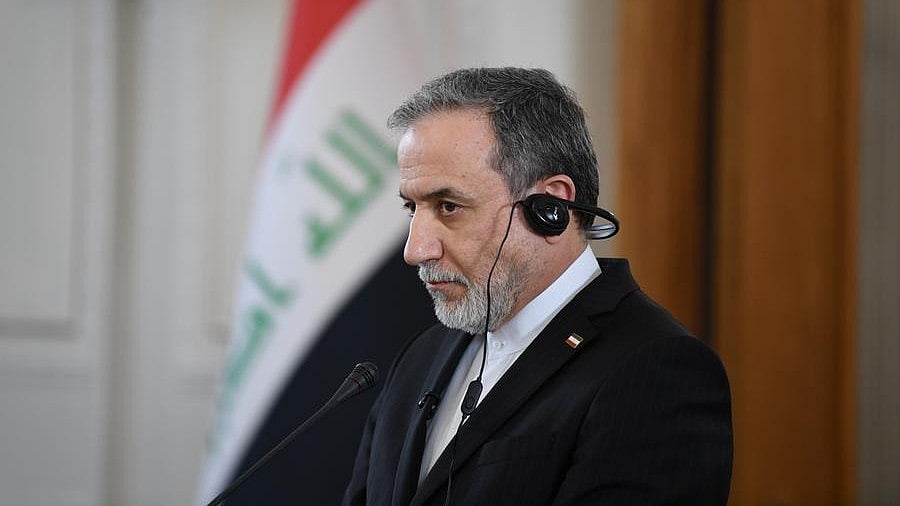
Iran’s primary military command, the Khatam al-Anbiya Central Headquarters, has issued a stern warning to the United States, vowing a forceful response if what it described as continued “blockade, banditry and piracy” in the West Asia persists.
In a statement carried by Iranian media and reported by Xinhua News Agency, the command accused Washington of imposing a naval blockade on the strategically vital Strait of Hormuz. The restrictions have reportedly disrupted vessels traveling to and from Iranian ports, alongside recent actions targeting ships bound for Iran.
The statement emphasised that Iran’s armed forces are “more powerful and prepared than ever” to defend national sovereignty and territorial integrity. It also referenced the recent conflict with the United States, claiming American forces had already witnessed Iran’s offensive capabilities firsthand.
Iranian forces, the statement added, remain on high alert — closely monitoring “enemy movements” while maintaining operational control over the Strait of Hormuz. It warned that any renewed “aggression” by the United States or Israel would be met with “more severe damage”.
Separately, Saudi-linked Al Arabiya reported, citing a source, that Tehran is unwilling to enter negotiations under conditions dictated by Washington, particularly those involving what it considers unacceptable red lines.
Diplomatic efforts, meanwhile, appear strained. Iran’s foreign minister Seyed Abbas Araghchi met with Asim Munir in Islamabad over the weekend. According to Tasnim News Agency, the talks focused on post-war dynamics, prospects for a ceasefire with the United States and Israel, and broader regional stability.
Tensions have remained high since Iran tightened control over the Strait of Hormuz on 28 February, barring vessels linked to the United States and Israel following joint strikes on Iranian territory. Although a ceasefire was reached on 8 April after 40 days of conflict, subsequent negotiations held in Islamabad on 11–12 April failed to produce a breakthrough. Washington later escalated the standoff by imposing its own naval restrictions in the waterway.
Planned follow-up talks in Pakistan now hang in the balance, with Iran declining participation, citing the ongoing US blockade and what it described as “excessive” demands.
With both military rhetoric and diplomatic efforts intensifying, the situation around the Strait of Hormuz — one of the world’s most critical energy corridors — remains volatile, raising concerns of further escalation in the region.
With IANS inputs
Join our official telegram channel (@nationalherald) and stay updated with the latest headlines