World
Iran’s unexpectedly tough retaliation may have pushed Trump to signal de-escalation
Strikes on LNG plant, F-35 claim and Hormuz disruption raise costs of conflict
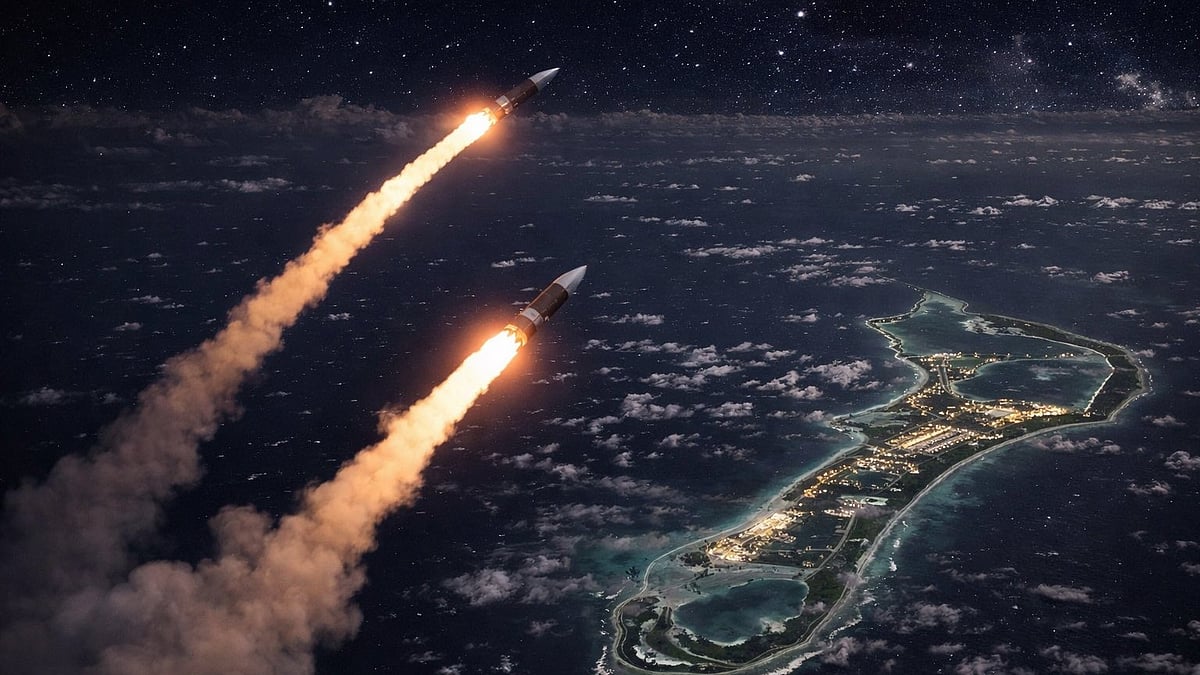
A series of high-impact retaliatory actions attributed to Iran — targeting energy infrastructure, military assets and strategic routes — appear to have influenced US President Donald Trump’s recent signal that Washington may consider winding down military operations, according to reports and official statements.
The escalation followed Israeli strikes on Iran’s South Pars gas field on 18 March, which triggered a wave of retaliatory developments across the Gulf region and beyond.
Energy shocks and global impact
One of the most significant incidents involved damage to Qatar’s Ras Laffan LNG facility, one of the world’s largest gas processing hubs, which caused fires and raised fears of global supply disruption.
While regional officials and reports have attributed the strike to Iran, Tehran has not formally claimed responsibility for the attack so far, adding a layer of ambiguity to the escalation.
The damage has had immediate market impact, with global energy prices surging and concerns rising over supply to Europe and Asia.
Military signalling and escalation
Iran also claimed it had damaged a US F-35 stealth fighter jet, forcing an emergency landing — a claim not officially confirmed by the US, though authorities acknowledged an aircraft incident.
Even partial damage to such an advanced platform, if verified, would signal that Iran’s air defence systems remain operational despite sustained strikes, analysts said.
Separately, reports suggested Iran launched ballistic missiles towards the US-UK military base at Diego Garcia, demonstrating extended strike capability, although the missiles did not hit their target.
Iran has also intensified actions in the Strait of Hormuz, disrupting shipping along a route that carries around 20 per cent of global oil supply, contributing to volatility in global markets.
Trump signals possible de-escalation
Against this backdrop, Trump said the US was “very close” to meeting its objectives and indicated that it may consider winding down military operations in the region.
The statement marked one of the clearest signals yet of a potential shift in Washington’s approach since the conflict began on 28 February.
The current phase of the conflict has seen a shift towards targeting energy infrastructure and strategic assets, raising the stakes beyond conventional military exchanges.
Analysts said the scale, reach and economic fallout of the retaliatory actions — particularly those affecting energy markets — may be shaping US calculations on further escalation.
Join our official telegram channel (@nationalherald) and stay updated with the latest headlines