World
Vance says Donald Trump won’t let Iran war become a ‘forever war’
US vice-president defends US strikes on Iran’s nuclear programme, calls it a threat to American security
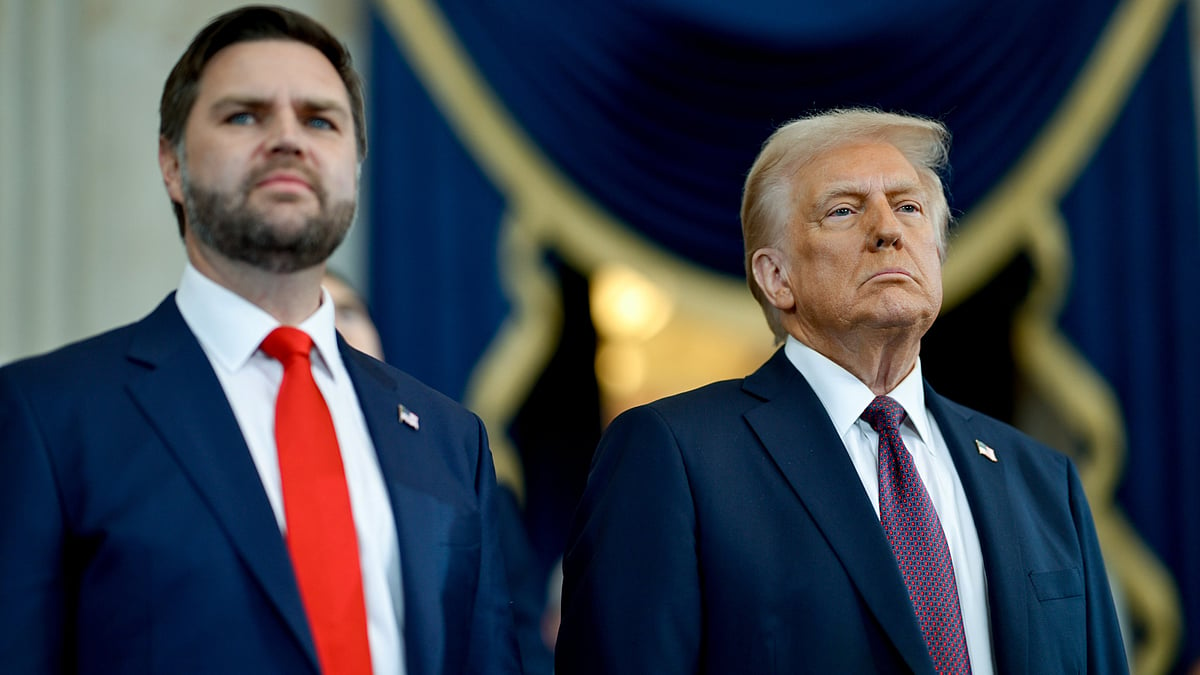
J.D. Vance says Donald Trump will not let the Iran conflict become a “forever war” or extend beyond two years
He defends US strikes on Iran’s nuclear programme, calling it a threat to American security
China steps up diplomatic efforts ahead of the 19 November summit, with its West Asia envoy visiting Iran, Oman and Saudi Arabia to ease tensions
US vice-president J.D. Vance has said President Donald Trump will not allow the ongoing conflict with Iran to turn into a prolonged war, ruling out a military commitment lasting even two years while defending the US decision to target Iran’s nuclear programme.
Speaking to Fox News host Laura Ingraham on Monday (local time), Vance expressed confidence that Trump would bring the conflict to a successful conclusion, although he did not provide a timeline for ending the military campaign, according to Iran International.
“He is not going to let this become a forever war,” Vance said, reiterating the administration’s promise to avoid prolonged American military engagements.
“We are not going to allow this to become a 10- or 15-year commitment, or frankly even a two-year commitment,” he added.
Vance defended Trump's decision to target Iran's nuclear programme, describing it as a threat to US security. However, he dismissed calls from neoconservatives and other critics for a prolonged American military presence in the region, saying he trusted Trump to determine when and how to end the conflict.
His remarks come ahead of a planned summit involving Trump, Chinese President Xi Jinping and Russian President Vladimir Putin in Shenzhen on 19 November.
China's foreign ministry confirmed on Monday that Xi would host the meeting. Spokesperson Mao Ning described it as the first face-to-face meeting between the leaders of the three countries, with discussions expected to focus on global peace and strategic stability.
Asked whether Iran and nuclear arms control would feature on the agenda, Mao did not confirm any specific topics, saying further details would be announced as preparations progressed.
Meanwhile, China said its special envoy for the West Asia, Zhai Jun, had visited Iran, Oman and Saudi Arabia for discussions aimed at easing regional tensions.
With IANS inputs
Join our official telegram channel (@nationalherald) and stay updated with the latest headlines