World
Made lot of progress, ball in Iran’s court: US vice-president J.D. Vance
Abbas Araghchi says talks must be based on “mutual respect and realistic expectations”
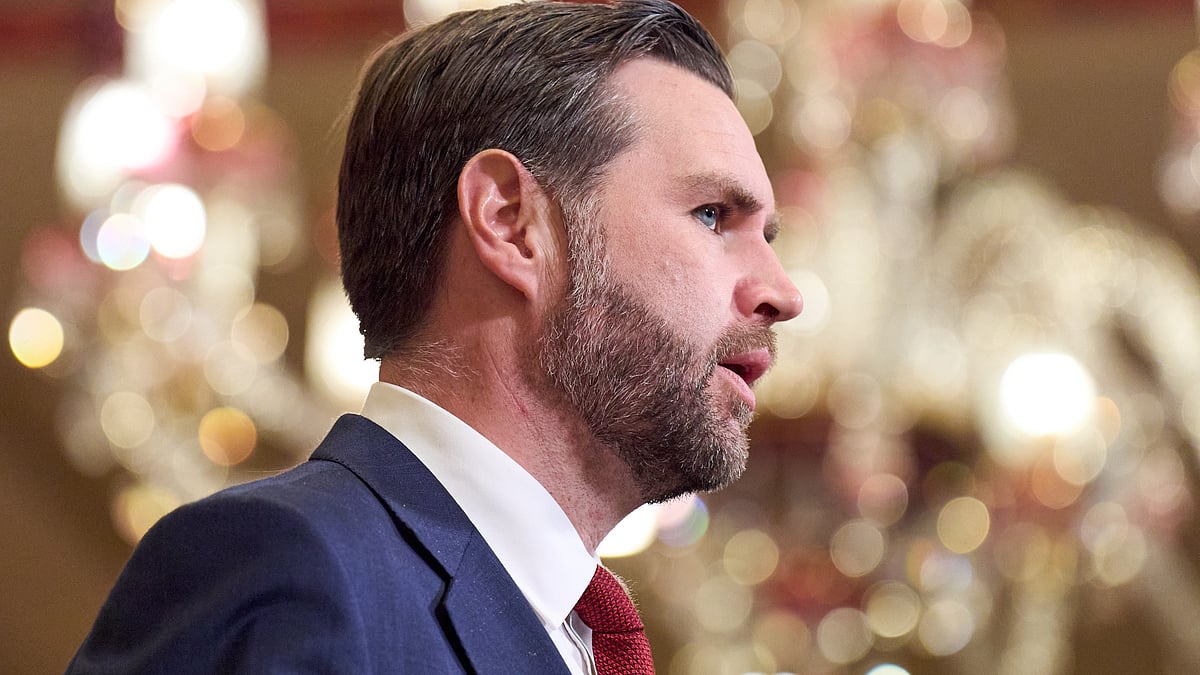
US vice-president J.D. Vance said Iran had moved “in our direction” during high-stakes peace talks in Islamabad, even as both sides failed to reach an agreement after a 21-hour marathon negotiation over the weekend.
Leading the US delegation alongside special envoy Steve Witkoff and Jared Kushner, Vance struck a cautiously optimistic note, saying the talks yielded “good signs” despite falling short of a deal. “We made a lot of progress… they moved in our direction, but they didn’t move far enough,” he told Fox News.
The negotiations stalled primarily over Washington’s demand that Tehran give up its right to enrich nuclear fuel — an issue Iran has consistently treated as non-negotiable. Vance reiterated that meeting US “red lines” on Iran’s nuclear ambitions could pave the way for “a very, very good deal for both countries.”
“It’s really in Iran’s court now,” he said. “We put a lot on the table.”
The Iranian delegation, led by Parliament speaker Mohammad Bagher Ghalibaf and foreign minister Abbas Araghchi, did not immediately accept the proposed terms, with Vance suggesting the team lacked final decision-making authority. “They had to go back to Tehran… to get approval from the supreme leader or others,” he said, pointing to internal consultations within Iran’s leadership.
Responding to the US position, Iranian officials indicated that while diplomatic engagement would continue, Tehran would not compromise on what it sees as its sovereign rights. Iranian state-linked media reports emphasised that enrichment capabilities remain central to the country’s nuclear policy, while warning against “excessive demands” from Washington.
Araghchi, in remarks carried by Iranian outlets, underscored that negotiations must be based on “mutual respect and realistic expectations”, and cautioned that pressure tactics — particularly in sensitive regions such as the Persian Gulf and the Strait of Hormuz — could complicate efforts toward de-escalation.
Vance also reiterated alignment with Donald Trump on preventing Iran from acquiring nuclear weapons. “I 100 per cent agree… Iran can’t have a nuclear weapon,” he said, warning of the risks if Tehran were to combine nuclear capability with what he described as “economic pressure” tactics.
Despite the impasse, both sides signalled openness to further dialogue. Vance described the talks as the first high-level engagement of this kind between the two governments, calling it “a positive step” even without a final agreement.
He acknowledged that rising energy prices linked to the tensions were “painful” for American consumers but expressed confidence that continued negotiations could stabilise markets. “We’re going to keep working to bring those prices down,” he said.
The Islamabad talks came against the backdrop of escalating tensions, including the US decision to enforce a maritime blockade on Iranian ports, underscoring the urgency — and complexity — of efforts to reach a diplomatic breakthrough.
With PTI inputs
Join our official telegram channel (@nationalherald) and stay updated with the latest headlines