World
Month after deadly Nepal floods, thousands still missing
Massive flooding continues to impact Nepal’s roads, bridges and hydropower projects as families wait for answers on loved ones
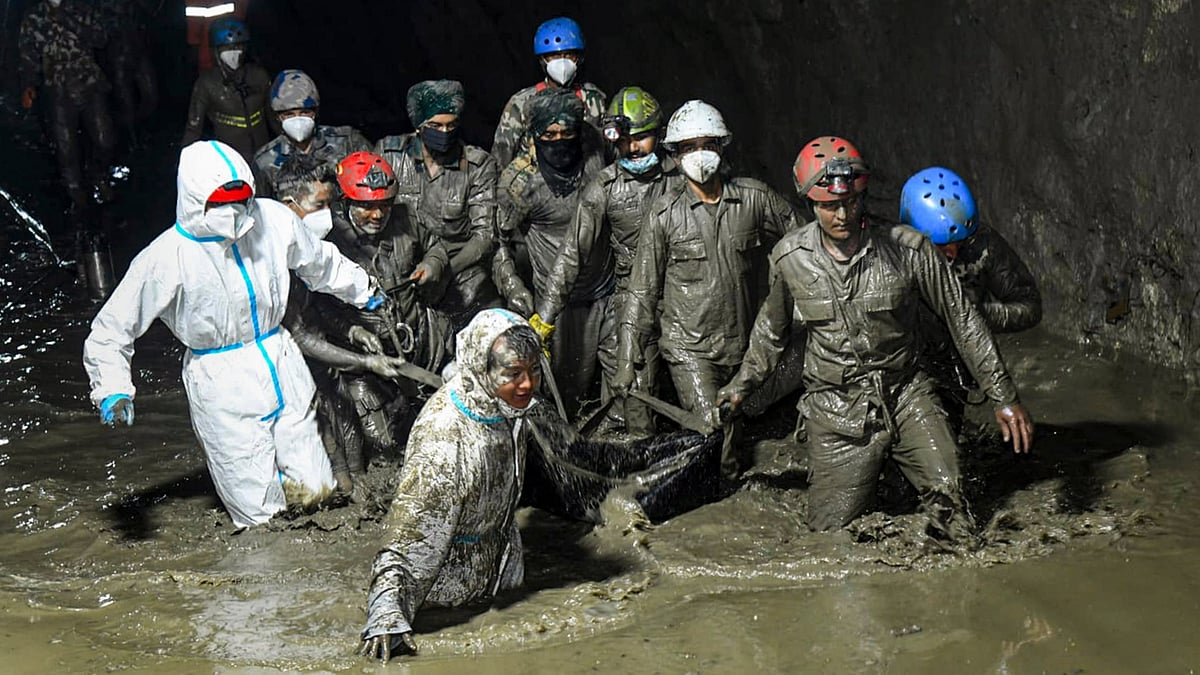
A month after devastating flash floods struck Nepal’s northern and central districts, the human and infrastructural toll remains staggering as authorities struggle to account for survivors and victims. According to the National Disaster Risk Reduction and Management Authority (NDRRMA), 1,453 bodies have been recovered so far, but nearly 5,300 people remain missing.
The floodwaters originated near the Nepal-Tibet border on August 26, triggered by flash floods that swept downstream along the Bhotekoshi River. This disaster destroyed homes, vehicles, roads, bridges, and hydropower projects, isolating many communities. Alongside Nepal's losses, 43 fatalities were reported in Tibet, where over 500 people are still unaccounted for.
Of the approximately 13,795 people rescued across affected areas, more than 1,000 remain housed in 21 holding centers, including large numbers in Nuwakot, Rasuwa, and Dhading districts. However, the identification of deceased victims has proven to be a massive challenge. Many bodies were severely damaged or fragmented, with only 112 identified and returned to families to date. The Nepal Police have therefore turned to DNA profiling, collecting 1,329 samples from discovered remains and 2,060 from relatives of missing individuals. Details on 1,421 unidentified bodies have also been published on the police website, aiding families in their search.
Infrastructure damage has been extensive, with around 40 kilometers of roads and 41 motorable bridges wiped out between Rasuwa and Dhading districts. These losses have severed important connections, complicating relief efforts. Temporary tracks and Bailey bridges—some installed by the Nepal Army—have been crucial in restoring connectivity. Nonetheless, limited air transport capacity restricts the timely delivery of relief supplies to remote communities.
Search operations continue at damaged hydropower projects, where workers remain missing. Bodies have been recovered from tunnels at the Chilime and Upper Trishuli-1 sites, but searches persist.
Compounding difficulties, recent heavy rainfall has triggered fresh landslides, blocking roads and disrupting rescue and recovery operations. As Nepal endures this ongoing crisis, authorities and communities remain united in efforts to rescue survivors and rebuild vital infrastructure.
(With agency inputs)
Join our official telegram channel (@nationalherald) and stay updated with the latest headlines