World
Pentagon puts 1,500 troops on standby amid Minnesota protest tensions
Move follows Trump threat to invoke Insurrection Act as unrest grows over deportation drive
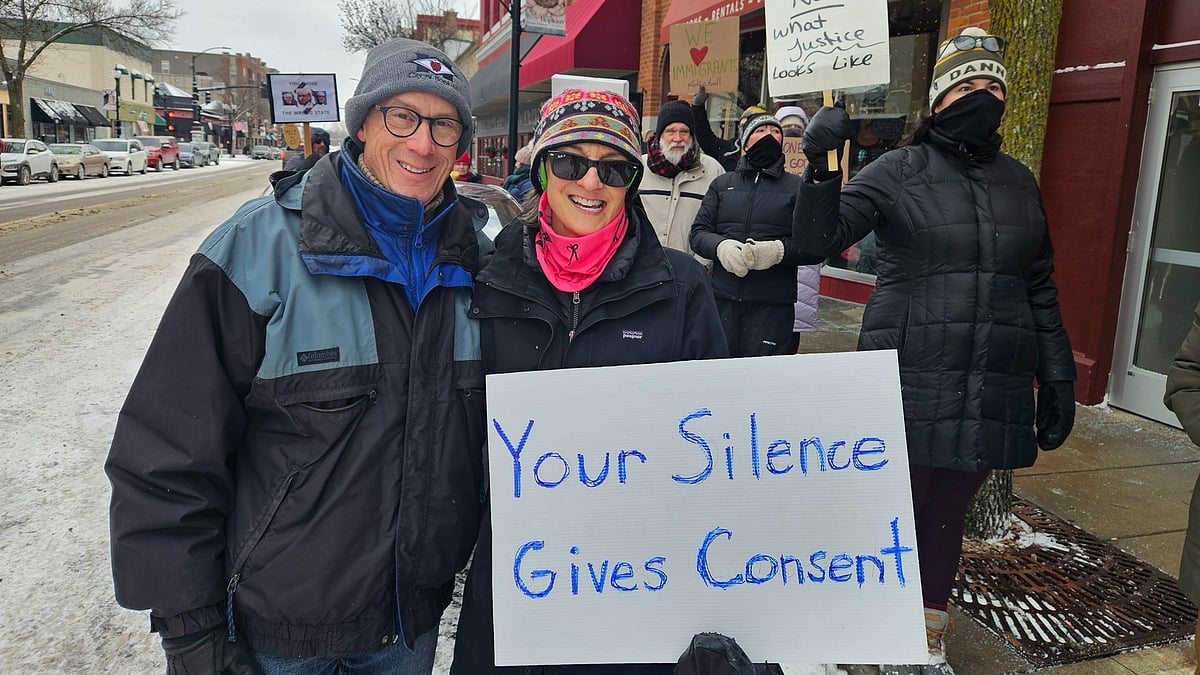
The Pentagon has placed around 1,500 active-duty soldiers on prepare-to-deploy orders amid escalating protests in Minnesota against the federal government’s immigration enforcement campaign, according to US media reports.
Troops have been alerted as a contingency measure in case violence intensifies in the northern state, the Washington Post reported on Sunday, citing defence officials. It remains unclear whether the soldiers will ultimately be deployed.
The White House said such preparations were routine, stating that the Pentagon must be ready “for any decision the President may or may not make”. Neither the Pentagon nor the White House immediately responded to requests for comment from Reuters.
The move comes days after President Donald Trump threatened to invoke the Insurrection Act, a rarely used federal law that allows the deployment of the military inside the United States to suppress domestic unrest. In a post on his Truth Social platform last week, Trump warned that he would act if Minnesota’s leaders failed to stop protesters from confronting Immigration and Customs Enforcement (ICE) officers.
“If the corrupt politicians of Minnesota don’t obey the law and stop the professional agitators and insurrectionists from attacking the patriots of ICE, who are only trying to do their job, I will institute the Insurrection Act,” he wrote.
According to the Post and ABC News, the troops on standby are drawn from two US Army infantry battalions under the 11th Airborne Division, based in Alaska, and trained for cold-weather operations.
Tensions have risen sharply in Minneapolis following the fatal shooting of Renee Good, a US citizen and mother of three, by an ICE agent on 7 January. She was shot while driving away after being ordered to exit her vehicle, an incident that has fuelled anger and protests across the city.
Since early last week, the Trump administration has sent nearly 3,000 ICE and Border Patrol agents to Minneapolis and neighbouring St Paul, part of a broader push targeting cities governed by Democrats. The president has argued that deployments of federal personnel — and, in some cases, troops — are necessary to combat crime and protect federal property and staff.
Trump has previously ordered troop deployments to cities including Los Angeles, Chicago, Washington DC, Memphis and Portland, Oregon, though earlier this month he announced the withdrawal of National Guard forces from Chicago, Los Angeles and Portland following legal challenges.
Local and state leaders have accused the administration of federal overreach, arguing that isolated incidents of violence are being exaggerated to justify military involvement. Minnesota Governor Tim Walz, who is facing a criminal investigation by the Justice Department, has already mobilised the state’s National Guard to support local law enforcement and emergency management efforts, according to the state’s Department of Public Safety.
The president has also repeatedly cited a scandal involving the alleged misuse of federal social welfare funds in Minnesota as justification for the surge in immigration enforcement. His administration has frequently singled out the state’s Somali immigrant community in its rhetoric.
The Insurrection Act permits the president to deploy federal troops or take control of state National Guard units when there are “unlawful obstructions” or rebellion against federal authority. Its potential use has raised concern among civil liberties groups and state officials, who warn of far-reaching implications for federal-state relations and democratic norms.
Join our official telegram channel (@nationalherald) and stay updated with the latest headlines