World
Reviewing fresh Iran proposal, can resume strikes if they misbehave: Trump
Iranian officials defended their proposal as a path to de-escalation, while rejecting what they called “threat-based diplomacy”
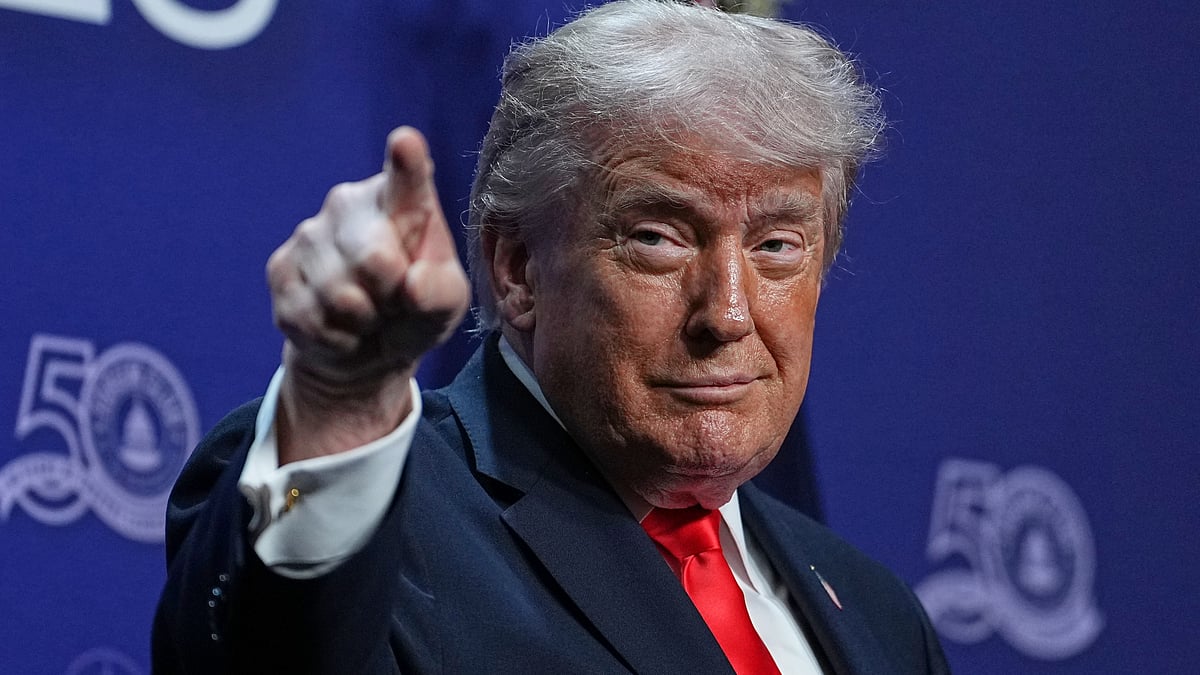
US President Donald Trump has warned that military strikes against Iran could resume “if they misbehave”, even as Tehran signalled willingness for a negotiated end to the conflict under a fragile, three-week ceasefire.
Speaking to reporters at Palm Beach airport before departing for Miami, Trump balanced diplomacy with deterrence, making clear that Washington remains prepared to escalate if provoked.
“If they misbehave, if they do something bad… it’s a possibility that could happen, certainly,” he said.
Trump confirmed he was reviewing a fresh Iranian proposal mid-flight, but expressed doubts about its acceptability.
“I'm looking at it… They told me about the concept of the deal. They're going to give me the exact wording now,” he said, before adding later on social media: “I can’t imagine that it would be acceptable… they have not yet paid a big enough price for what they have done to Humanity, and the World, over the last 47 years.”
Iranian officials, however, struck a measured but firm tone in response, defending their proposal as a credible pathway to de-escalation while rejecting what they described as “threat-based diplomacy”.
A senior Iranian diplomat, quoted in state media, said Tehran is “serious about reaching a sustainable agreement” but warned that continued US military pressure and blockade tactics undermine trust.
“Negotiations cannot succeed under threats or coercion. If the United States is genuinely seeking peace, it must demonstrate it through actions, not ultimatums,” the official said.
Iran also reiterated that its proposal is structured to ensure mutual de-escalation, not unilateral concessions — pushing back against Trump’s assertion that Tehran has yet to “pay a price.”
According to a report by Axios, the Iranian proposal lays out a phased roadmap. It calls for a one-month negotiation window focused on reopening the crucial Strait of Hormuz, lifting the US naval blockade, and formally ending hostilities in Iran and Lebanon.
Iranian sources have indicated that these steps are essential confidence-building measures. Only after their implementation, they say, can talks progress to a second phase addressing Tehran’s nuclear programme.
“Security in the region, including freedom of navigation, must be restored as a first step,” an Iranian official said, emphasising the importance of reopening Hormuz.
Despite diplomatic signals, both sides appear to be hedging. Trump was recently briefed by Brad Cooper on updated military strike plans, while US naval deployments in the region remain active.
Cooper has already travelled to the Arabian Sea, meeting troops aboard the USS Tripoli, in a show of operational readiness.
Iran, meanwhile, has warned that any renewed strikes would invite a “proportionate and immediate response,” raising concerns that the ceasefire could quickly unravel.
The standoff is also taking a toll on the US economy. Gasoline prices have surged to $4.39 per gallon — a 47 per cent jump since the conflict escalated in late February — adding pressure on the Trump administration.
Trump acknowledged the domestic impact, linking rising fuel costs to the ongoing crisis.
“Now gasoline is high. As soon as the war ends, the gasoline prices will come down,” he said.
Iranian officials, however, argue that the US naval blockade is a key driver of global supply disruptions, and have called for its immediate lifting as part of any deal.
With PTI inputs
Join our official telegram channel (@nationalherald) and stay updated with the latest headlines