World
Ro Khanna tops Indian-American campaign cash list
Other Indian American lawmakers report smaller campaign funds, with members-elect Amish Shah and Pia Dandiya carrying debt
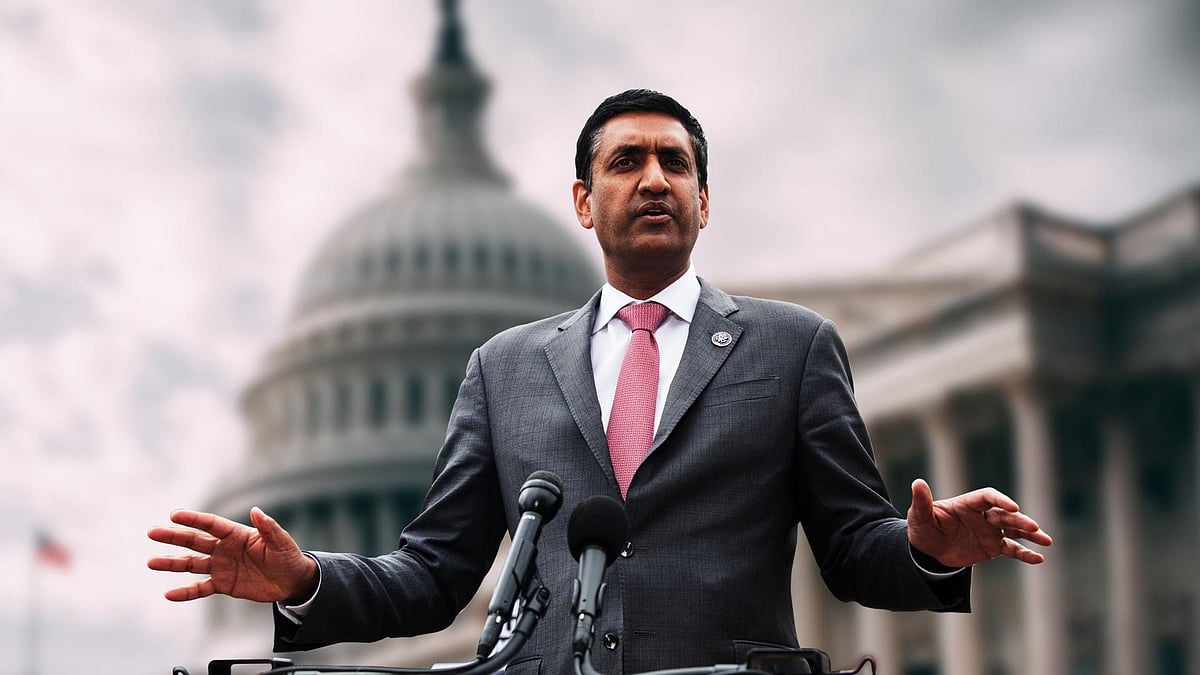
US Representative Ro Khanna leads Indian American lawmakers with $16.6 million in campaign cash and no outstanding debt, exceeding the combined reserves of the other seven
Other lawmakers, including Pramila Jayapal, Ami Bera and Suhas Subramanyam, reported significantly smaller campaign balances, while newly elected members Amish Shah and Pia Dandiya also disclosed outstanding debts
Shri Thanedar held the second-largest cash reserve at $5.9 million but reported $14.44 million in debt, while Raja Krishnamoorthi maintained separate House and Senate campaign accounts
US Representative Ro Khanna has reported the largest campaign cash reserve among eight Indian American House members and members-elect, with $16.6 million in available funds and no outstanding debt, according to a review of Federal Election Commission (FEC) records.
The California Democrat's campaign balance was higher than the combined reserves of the other seven lawmakers, who collectively reported approximately $11.1 million.
According to campaign finance disclosures, Khanna's campaign received $15.3 million and spent $9.5 million during the 2026 election cycle through October 14. His accumulated cash reserve stood above the total receipts reported during the period.
Among other incumbent lawmakers, Representative Pramila Jayapal of Washington reported $1.75 million in campaign cash, while California Representative Ami Bera held approximately $1.65 million.
Virginia Representative Suhas Subramanyam reported around $746,000 in available funds.
Jayapal and Subramanyam reported no outstanding debt, while Bera's campaign disclosed liabilities of $80,000.
During the same election cycle, Jayapal's campaign raised $2.9 million and spent $3.2 million. Bera reported receipts of $1.5 million against expenditures of $1.7 million, while Subramanyam raised $1.7 million and spent approximately $1.1 million.
The two Indian American members-elect reported considerably smaller campaign balances before securing their electoral victories.
Amish Shah, who defeated Republican Jay Feely in Arizona's 1st Congressional District, reported campaign receipts of $5.7 million and expenditures of $5.5 million through 14 October. His campaign had approximately $206,000 remaining, alongside nearly $37,000 in debt.
Pia Dandiya, who defeated Republican Casey Askar in Florida's 22nd Congressional District, reported raising $4.6 million and spending $3.9 million. Her campaign retained approximately $735,000 in cash but had outstanding debt of $247,000.
Askar reported higher fundraising figures, with receipts of $7.4 million, including $6.69 million in personal loans. His campaign spent $5.5 million and held approximately $1.9 million in cash, while its outstanding debt stood at $6.29 million after $400,000 in loan repayments.
Feely, meanwhile, reported campaign receipts of $3.8 million and expenditures of $3.6 million, leaving around $183,000 in cash and $330,000 in debt.
Representative Shri Thanedar held the second-largest campaign cash reserve among the Indian American lawmakers reviewed, with approximately $5.9 million as of 30 September.
However, his campaign reported outstanding debt of $14.44 million, significantly exceeding its available cash. During the election cycle, the campaign received $3.2 million and spent $4.2 million.
Representative Raja Krishnamoorthi's campaign finances were divided between his House and Senate accounts. As of September 30, his House campaign account held approximately $47,000, while his Senate campaign account had around $33,000.
The House account reported receipts of $3.9 million and expenditures of $21 million. Meanwhile, the Senate campaign raised $31.6 million and spent $31.5 million.
The Senate account's fundraising total included $19.4 million in transfers from other authorised committees.
Such transfers are important when assessing campaign fundraising because money moved between authorised accounts can be counted more than once if the receipts are simply added together.
The FEC disclosures provide a snapshot of the financial positions of Indian American lawmakers and members-elect, highlighting significant differences in campaign reserves, fundraising and outstanding liabilities.
With IANS inputs
Join our official telegram channel (@nationalherald) and stay updated with the latest headlines