World
Starmer heads to China seeking economic reset amid strains with Washington
UK prime minister aims to revive trade ties with Beijing while balancing US pressure and domestic scepticism
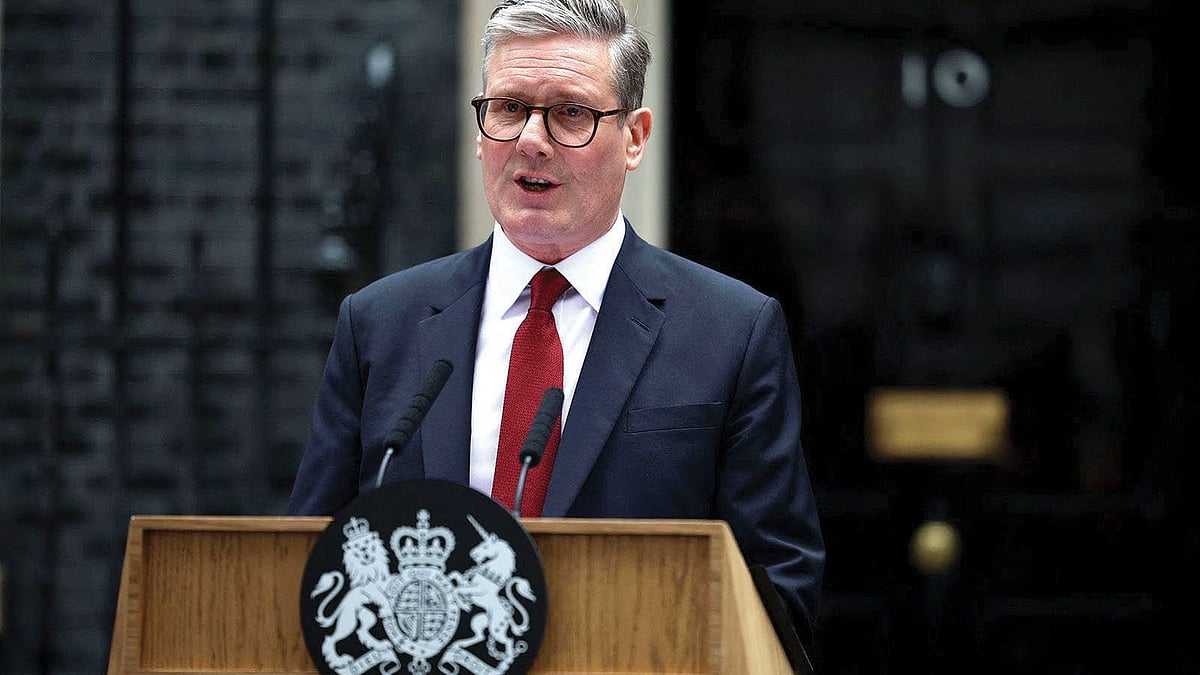
UK Prime Minister Keir Starmer is travelling to China this week in a bid to stabilise relations with Beijing and secure economic gains for Britain, at a time when ties with the United States are showing signs of strain.
Starmer, who begins his visit on Wednesday, is scheduled to meet Chinese President Xi Jinping, marking the first trip to China by a British leader since 2018. He is expected to be accompanied by Business Secretary Peter Kyle and a large delegation of senior executives, as the government looks to attract Chinese investment and expand access for British sectors such as financial services, automobiles and Scotch whisky.
The visit comes against a complex geopolitical backdrop. While Starmer is seeking to boost the UK economy, he faces criticism from China hawks at home and risks irritating US President Donald Trump, who has recently imposed tariffs on several allies and sharpened his rhetoric towards them.
Analysts say the trip reflects a pragmatic recalibration rather than a dramatic shift. Kerry Brown, director of the Lau China Institute at King’s College London, said changing global dynamics had created openings for renewed engagement, but warned that Starmer would be addressing a wary audience.
Britain’s relationship with China cooled sharply after the so-called “golden era” declared in 2015 under then prime minister David Cameron. Since then, concerns over Beijing’s actions in Hong Kong, its support for Russia in the Ukraine war, and allegations of espionage and economic interference have led successive UK governments to curb Chinese involvement in sensitive infrastructure, including telecoms and nuclear power.
After Labour came to power 18 months ago, it carried out a review of China policy, describing its approach as one of “hard-headed pragmatism” — maintaining dialogue and economic cooperation while protecting national security interests.
The economic context adds urgency to the visit. Britain’s economy has struggled to regain momentum, and the government faces pressure over the cost-of-living crisis and slipping poll numbers. Securing investment or trade commitments from China could offer a political and economic boost.
Starmer’s outreach to Beijing also comes as some US allies reassess their dependence on Washington. His visit follows recent trips by Canadian Prime Minister Mark Carney and precedes a planned visit by German Chancellor Friedrich Merz.
Observers say unease over US trade policy and foreign policy positions is prompting allies to diversify diplomatic and economic partnerships.
However, closer engagement with China carries risks. Trump has previously threatened punitive tariffs on allies who deepen trade ties with Beijing. Domestically, Starmer has faced criticism over approving a large new Chinese embassy in London and over broader concerns about human rights, including the treatment of Uyghurs and the jailing of Hong Kong democracy activist Jimmy Lai, a British citizen.
Former Hong Kong governor Chris Patten has urged the prime minister to raise such issues firmly but constructively. Analysts say Starmer will judge the visit a success if it delivers tangible economic benefits while avoiding major diplomatic fallout.
As Brown put it, the aim is likely to establish a more predictable relationship with Beijing — cooperating where possible, while agreeing to disagree where differences remain.
With PTI inputs
Join our official telegram channel (@nationalherald) and stay updated with the latest headlines