World
Tehran will not negotiate under threat or force: Iranian envoy
Reza Amiri Moghadam remarks come as a ceasefire that took effect on 8 April after 40 days of fighting continues to hold but remains fragile
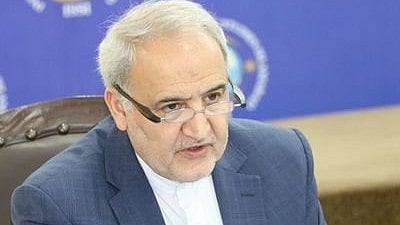
Iran has reiterated that it will not engage in negotiations under pressure, as diplomatic efforts involving the United States remain uncertain despite a fragile ceasefire.
Iran’s ambassador to Pakistan, Reza Amiri Moghadam, said on Tuesday that talks cannot proceed under threat or coercion. In a post on X, he stressed that a nation with a long civilisation “will not negotiate under threat and force”, calling it a fundamental principle of Tehran’s foreign policy.
His remarks come as a ceasefire that took effect on 8 April after 40 days of fighting continues to hold but remains fragile. Pakistan has been mediating indirect talks between Tehran and Washington, hosting a first round in Islamabad on 11–12 April. However, Iran has not confirmed participation in a second round.
Echoing the envoy’s position, Iran’s Parliament speaker Mohammad Bagher Ghalibaf said Tehran would not accept negotiations “under the shadow of threats.” He accused US President Donald Trump of attempting to turn negotiations into a “table of surrender” while escalating pressure through sanctions and alleged ceasefire violations.
Iran’s foreign minister Seyed Abbas Araghchi also pointed to “provocative actions” by the US as a major obstacle to continuing talks. During separate calls with Pakistani and Russian counterparts, he condemned actions against Iranian commercial shipping, including the reported seizure of the container vessel Touska and its crew, and criticised what he described as Washington’s “contradictory rhetoric”.
According to Iran’s semi-official Tasnim news agency, Tehran’s participation in further talks will depend on the US meeting certain preconditions, including easing what it describes as a naval blockade and scaling back demands.
Araghchi said Iran would decide on the future of diplomacy based on overall developments and US conduct, adding that Tehran is prepared to take necessary steps to safeguard its national interests and security.
With IANS inputs
Join our official telegram channel (@nationalherald) and stay updated with the latest headlines