World
Architect in crucible: Abbas Araghchi and high-stakes gamble in Islamabad
Stakes in Islamabad are high as Trump warns of military readiness, while Araghchi remains measured
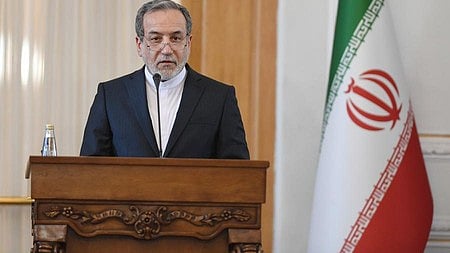
As the high-stakes negotiations in Islamabad unfold on Saturday, 11 April 2026, the quiet leafy avenues of the Pakistani capital have been transformed into the world’s most consequential diplomatic stage. Within the heavily fortified corridors of a high-security military site, a 71-member high level Iranian delegation has arrived to negotiate with a powerful US contingent led by vice-president J.D. Vance. At the heart of this "make-or-break" summit—designed to transform a fragile, six-week-old ceasefire into a permanent end to the 2026 Iran War—stands the man often called the "human encyclopedia" of Iranian diplomacy: Foreign minister Seyyed Abbas Araghchi.
Araghchi is no stranger to the precipice. Since assuming office in August 2024, his tenure has been a relentless baptism by fire. From the devastating U.S. and Israeli strikes on Iranian infrastructure to the seismic shift in Tehran’s leadership following the passing of Ayatollah Ali Khamenei in early 2026, Araghchi has remained the steady, "steely" constant of the Islamic Republic.
The Islamabad mandate: The art of the possible
The stakes in Islamabad could not be higher. While US President Donald Trump issued a blunt warning from Washington as talks began — asserting that US warships are "loaded up" should diplomacy fail — Araghchi’s approach remains characteristically measured.
Operating under the code name *”Minab 168"* (a poignant reference to the Iranian children killed in joint strikes earlier this year), the Iranian delegation, led by the Parliament Speaker Mohammad Bagher Ghalibaf and Abbas Aragchi entered the room with a clear, uncompromising list of prerequisites. Araghchi has framed these talks not as a plea for mercy, but as a "conclusive and lasting" negotiation for sovereignty.
Current developments from the talks:
Asset release linkage:
Iranian sources indicate that Washington has tentatively signalled a willingness to release frozen assets held in Qatar and other foreign banks. Araghchi has directly linked this gesture to ensuring "safe passage through the Strait of Hormuz", a critical chokepoint Iran currently influences.
The Lebanon factor: Araghchi has insisted that a truce in Lebanon is an inseparable part of any "equitable deal". Reports from Islamabad confirm that the Iranian team is in constant contact with Hezbollah leadership to coordinate these terms.
The verification hurdle:
True to his reputation for technical precision, Araghchi has told mediators there will be "no trust without verifiable action." He enters these negotiations with what he describes as "complete distrust" of the American "open hand" policy voiced by Vice President Vance.
A pedigree of patience and power
Born in 1962 into a traditional merchant family, Araghchi’s diplomatic style is often likened to the meticulous craft of the Persian carpet trade—a world of patience, persistence, and an eye for the long game. His journey from a volunteer in the Islamic Revolutionary Guard Corps (IRGC) during the Iran-Iraq War to a PhD holder from the University of Kent has equipped him with a rare duality.
His career is a masterclass in statecraft:
The nuclear architect:
As the primary drafter of the 2015 JCPOA technical annexes, he knows the fuel cycle better than perhaps any diplomat alive.
The system’s choice: Operating under the mandate of the new Supreme Leader, Mojtaba Khamenei, Araghchi is trusted by the IRGC and the clerical establishment because he has never been mistaken for a Western appeaser.
The road ahead:
Diplomacy on a knife’s edge
As the trilateral meetings between the US, Iran, and Pakistan proceed, the world is watching a clash of styles. On one side is J.D. Vance, carrying instructions from a Trump administration that demands the permanent dismantling of Iran’s nuclear ambitions. On the other is Araghchi, who views the ceasefire as a strategic pivot to secure sanctions relief and regional security.
What distinguishes Araghchi in this moment of crisis is his rejection of the spectacle. He avoids grand rhetorical flourishes, favoring the dry, technical precision of legal frameworks.
In the crucible of Islamabad, Abbas Araghchi is no longer just a negotiator; he is the architect of Iran’s survival. Whether his "bazaar logic" can bridge the chasm between a "Stone Age" military threat and a "durable peace" remains the definitive question of 2026.
As Araghchi himself noted upon arrival: Iran seeks an end to the "illegal war", but it will not sign a deal that compromises the revolutionary discipline forged in its darkest hours.
Hasnain Naqvi is a former member of the history faculty at St. Xavier’s College, Mumbai
Join our official telegram channel (@nationalherald) and stay updated with the latest headlines