World
Trump hails 'very good' meetings with Zelenskyy, Netanyahu as Ukraine, Iran dominate talks
US president meets Ukrainian and Israeli leaders at White House as Senate advances Russia-Iran sanctions Bill
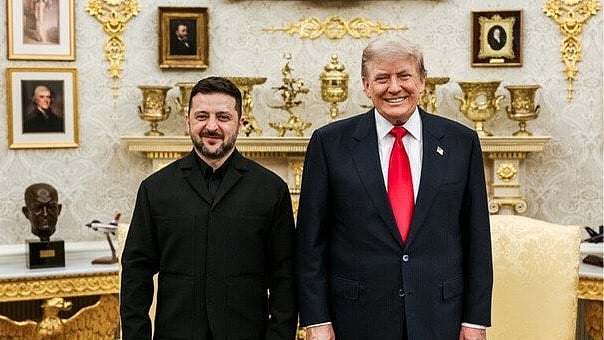
US President Donald Trump on Tuesday described his back-to-back White House meetings with Ukrainian President Volodymyr Zelenskyy and Israeli Prime Minister Benjamin Netanyahu as "very good", as Washington stepped up diplomatic engagement on the wars in Ukraine and the Middle East.
Trump, who hosted Zelenskyy and Netanyahu separately at the White House, gave few details of the discussions but struck an upbeat tone in social media posts after the meetings.
"Had a very good meeting! Obviously, many important subjects were discussed," Trump wrote after meeting Netanyahu.
He later posted that his meeting with Zelenskyy "went very well".
The meetings came as Ukraine pressed the United States for additional military support to strengthen its air defences, while Netanyahu sought to stabilise ties with Trump amid differences over Iran and regional security.
Zelenskyy seeks air defence cooperation
Following his meeting with Trump, Zelenskyy said the two leaders discussed arrangements that would allow Ukraine to manufacture interceptors for Patriot air defence systems under licence.
"We also spoke about diplomacy – it's important that the diplomatic process be reinvigorated," Zelenskyy said in a statement, adding that officials from both countries would continue discussions.
The Ukrainian leader also expressed gratitude for continued US support and paid tribute to late US Senator Lindsey Graham, describing him as "a true friend of Ukraine".
Later in the day, the US Senate voted overwhelmingly to advance legislation imposing tougher sanctions on Russia and Iran. The Bill, renamed the Lindsey O. Graham Sanctioning Russia and Iran Act of 2026, cleared a procedural vote by 86-12 following Graham's funeral in Washington.
Netanyahu seeks to repair ties
Netanyahu's visit marked his first meeting with Trump since the two leaders jointly launched military operations against Iran in February.
The Israeli leader arrived amid reports of growing differences with Trump over Iran and the conflicts in Gaza and Lebanon.
Trump has publicly expressed frustration with Netanyahu in recent weeks, criticising Israel's approach towards Iran and warning against actions that could undermine US diplomatic efforts in the region.
Ahead of the meeting, Trump suggested Netanyahu wanted to keep Washington deeply involved in confronting Iran, saying the Israeli leader frequently raised intelligence relating to suspected Iranian nuclear activities.
The White House said discussions were expected to cover Iran, the US-Israel framework agreement with Lebanon and efforts to expand the Abraham Accords.
Netanyahu also faces pressure to reassure Washington that Israel will support US-led diplomatic initiatives in Gaza and Lebanon amid declining public support for Israel in the United States.
Outside the White House, protesters demonstrated against the Israeli prime minister, chanting slogans condemning his visit.
The meetings underscored the Trump administration's parallel efforts to manage the conflicts in Ukraine and the Middle East, both of which remain central to US foreign policy.
Join our official telegram channel (@nationalherald) and stay updated with the latest headlines