World
Trump eases sanctions on Russian diesel, but no word on tariffs yet
Washington opens door to Russian fuel supplies while retaining its tariff weapon against countries buying Russian energy
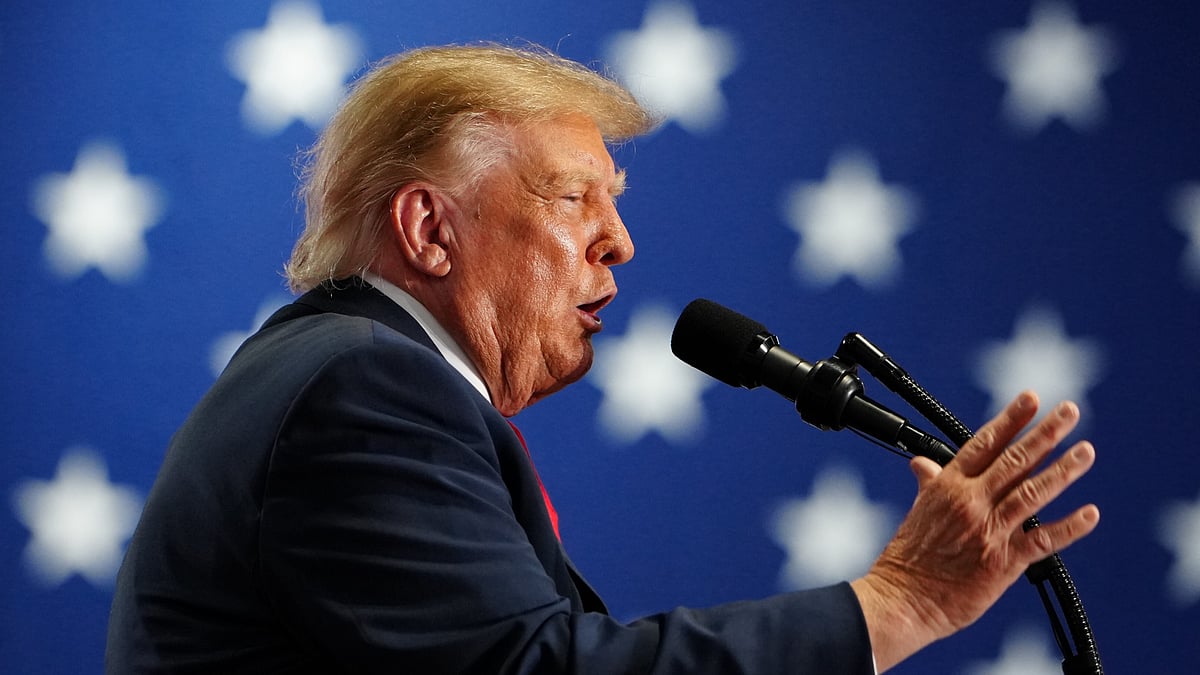
Trump temporarily eases sanctions on Russian-origin diesel until 7 April 2027.
No announcement yet on US tariff threat against countries buying Russian oil and gas.
Ukraine’s reported strike on Russian fuel-export terminal raises questions over the deal’s implementation.
US President Donald Trump has temporarily eased sanctions on Russian-origin diesel to facilitate supplies to global markets, even as his administration retains the power to impose tariffs of up to 100 per cent on countries buying Russian oil and gas. With no announcement of any change to the tariff policy, the move raises questions about Washington’s two-track approach to Russian energy.
The US treasury’s authorisation permits specified transactions involving Russian-origin diesel until 7 April 2027. It does not revoke the separate authority granted to Trump under legislation signed into law recently to impose steep tariffs on countries continuing to purchase Russian energy.
The contradiction is particularly significant for India, which has faced US pressure over its purchases of Russian oil. Washington is now easing restrictions on Russian fuel supplies to help address high energy prices at home, while leaving intact the threat of punitive tariffs against other countries that buy Russian energy.
Defending the deal, Trump publicly thanked Russian President Vladimir Putin for agreeing to supply the fuel. “I want to thank President Putin, to be honest with you,” he told reporters on Friday, 9 October. Asked whether the agreement would embolden Putin, Trump replied: “Well, no; we need oil for the world and this is diesel which is what we need.”
Trump also claimed that fuel prices were already “dropping like a rock” and said the US was “very happy” to secure the supplies. The remarks came weeks after he signed legislation empowering his administration to impose tariffs of up to 100 per cent on countries continuing to buy Russian oil and gas.
The timing has added another complication. Ukraine reportedly struck the NZNP Rostovsky oil products export terminal in Rostov-on-Don hours after the diesel deal was announced. Ukrainian military sources had earlier said the US administration’s attempt to use Russian diesel to lower domestic fuel prices “will bear no fruit”. The reported strike has not been independently confirmed.
The broader question is whether Washington’s immediate need to ease fuel prices will take precedence over its stated strategy of using economic pressure to limit Moscow’s revenues. The temporary diesel authorisation does not, by itself, change the tariff exposure of India or other Russian energy buyers.
The administration has yet to publicly explain whether it intends to maintain the tariff threat unchanged or reconsider its approach as it seeks additional Russian fuel supplies.
The key editorial distinction: describe this as an apparent inconsistency in US policy, not as proof that India has been exempted or that the tariff law has been withdrawn.
With PTI inputs
Join our official telegram channel (@nationalherald) and stay updated with the latest headlines