World
UK breakup on agenda as Scotland, Wales & Ireland leaders demand constitutional change
Leaders of the UK’s three nations say their future lies with the European Union, prompting warnings over the unity of the United Kingdom
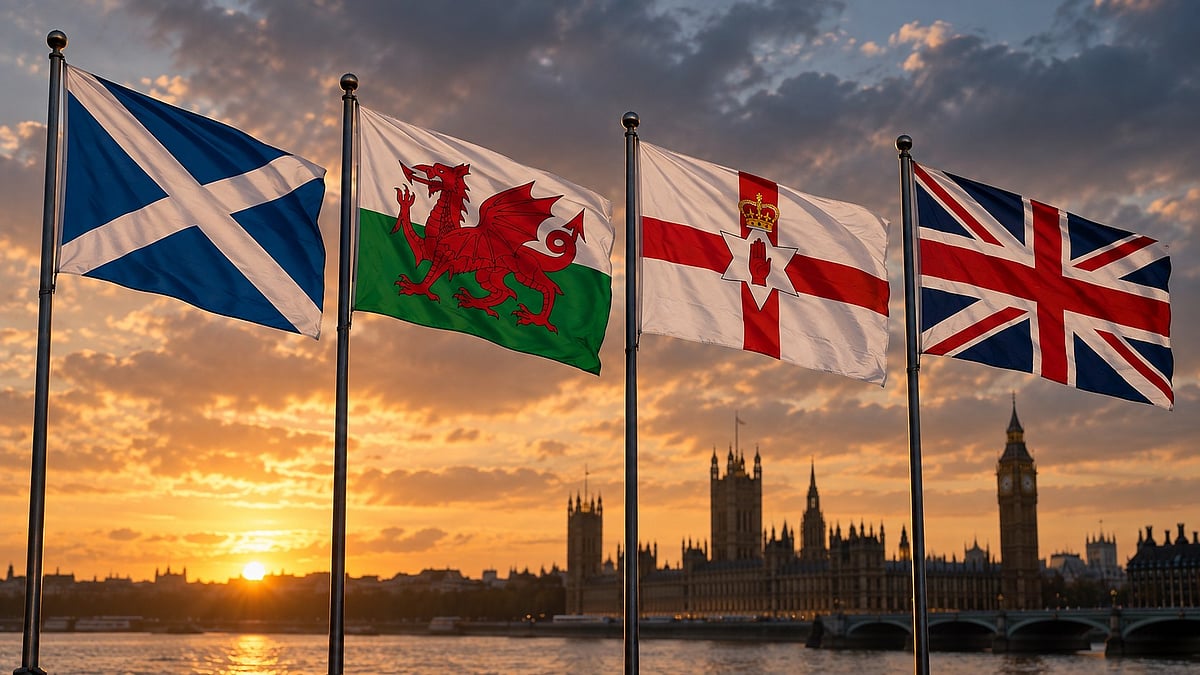
The leaders of Wales, Scotland and Northern Ireland have signed a joint pact calling on the UK government to prepare for constitutional change, in a move that has renewed debate over the future of the United Kingdom.
The first ministers of the three devolved nations said in a memorandum of understanding that their future lies with the European Union and warned that Westminster’s influence over the nations was coming to an end.
“For people watching across these islands — for people watching around the world — there could be no clearer sign that Westminster’s time is coming to an end,” they said, referring to the UK Parliament.
The agreement marks the first time the leaders of all three nations are either from pro-independence parties or, in Northern Ireland’s case, support Irish reunification.
Scotland’s First Minister John Swinney and Northern Ireland First Minister Michelle O’Neill called for independence or reunification referendums, while Welsh leader Rhun ap Iorwerth did not set a timetable for a Welsh independence vote.
The pact comes shortly after US President Donald Trump said he would “love to see” a reunified Ireland during a visit to his golf course hosting the Irish Open.
The UK government played down the significance of the agreement. Prime Minister Andy Burnham’s spokesperson said the government remained committed to the union and was focused on reducing the cost of living.
“The United Kingdom is at its best when people come together around our shared values and problem-solving, rather than division,” spokesperson Tom Wells said.
Nicola McEwen, director of the University of Glasgow Center for Public Policy, said the summit was symbolically significant but had no legal force.
“I don’t see the threat to the union being bigger today than it was yesterday,” she said.
The UK introduced devolution in the late 1990s, granting Scotland, Wales and Northern Ireland varying degrees of legislative and administrative autonomy through their own institutions. Westminster, however, retained authority over reserved national matters.
The prospect of Scottish independence has remained a major constitutional issue. In a 2014 referendum, Scottish voters rejected independence by 55% to 45%. Swinney said he believed voters would now back independence if another referendum were authorised.
Burnham had told Parliament that he would permit such a vote if there was a “clear consensus” in Scotland, but later told Swinney that a referendum was “off limits”.
In Northern Ireland, the 1998 Good Friday Agreement provides for a referendum on Irish reunification if it appears likely to secure majority support. The UK government has said the conditions for such a vote have not been met.
Northern Ireland Deputy First Minister Emma Little-Pengelly of the Democratic Unionist Party accused O’Neill of “weaponizing” her position by signing the agreement. O’Neill responded that the move reflected “historic change happening all around us”.
McEwen said the cooperation between the three devolved governments could also give them greater collective influence over Westminster, regardless of whether any of them ultimately leaves the UK.
She said the pact kept alive the question of how a union based on consent should respond if that consent appeared to be weakening.
Join our official telegram channel (@nationalherald) and stay updated with the latest headlines