World
US to blockade ships entering or exiting Iranian ports after talks fail
Shipping operators advised to follow navigation warnings and stay in contact with US naval forces in the region
The United States will impose a sweeping maritime blockade on vessels entering and exiting Iranian ports from 13 April, sharply escalating tensions after stalled nuclear talks with Tehran.
Announced by US Central Command (CENTCOM) following a presidential directive, the blockade will target all maritime traffic linked to Iranian ports across the Arabian Gulf and Gulf of Oman. CENTCOM said the restrictions will be enforced “impartially against vessels of all nations”, though ships transiting the Strait of Hormuz to and from non-Iranian ports will not be obstructed. The operation is set to begin at 7.30 pm IST.
Commercial shipping operators have been advised to follow official navigation warnings and maintain contact with US naval forces operating in the region.
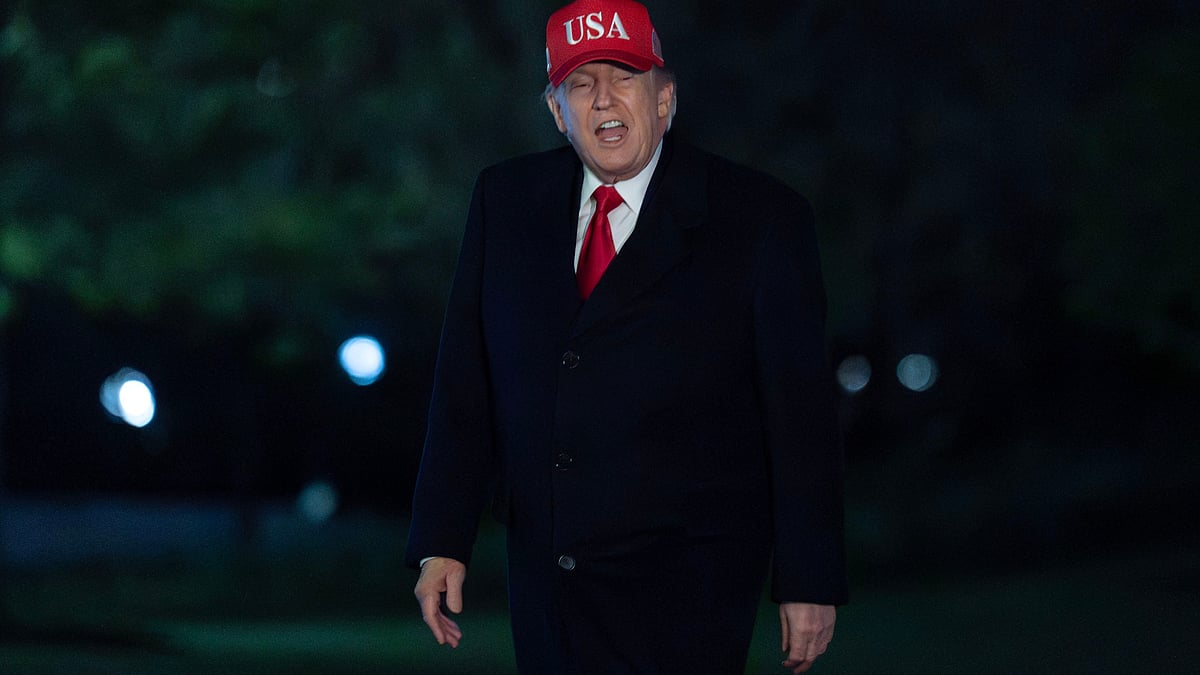
The move comes shortly after US President Donald Trump said negotiations with Iran had collapsed over Tehran’s nuclear programme, despite what he described as progress on other issues. “Most points were agreed to, but the only point that really mattered, NUCLEAR, was not,” Trump said, announcing the blockade and accusing Iran of “WORLD EXTORTION” over its maritime tactics in the Strait of Hormuz.
Trump also claimed US forces would begin “destroying the mines” allegedly deployed by Iran in the strait, a key global energy chokepoint.
Iran rejected the accusations and blamed Washington for derailing near-final talks. Foreign Minister Seyed Abbas Araghchi said Tehran had engaged “in good faith” and was “just inches away” from an agreement before encountering “maximalism, shifting goalposts, and blockade.” He added, “Good will begets good will. Enmity begets enmity.”
The escalation comes amid growing concern over maritime risks in the Strait of Hormuz, through which a significant share of global oil shipments pass. Analysts say Iran has leveraged uncertainty around potential naval mines and restricted passage to pressure commercial shipping, reportedly designating “hazardous areas” that force vessels into Iranian-controlled waters where they face “protection fees”.
The Institute for the Study of War has described such practices as illegal under international maritime law, noting that no coastal state can restrict transit or impose fees in a strait used for international navigation.
Rising tensions have already impacted global energy markets, with oil prices and shipping insurance premiums climbing due to fears of disruption.
In response, US naval forces have increased their presence in the region. Destroyers including USS Frank E. Peterson and USS Michael Murphy have conducted transits through the Strait of Hormuz to demonstrate freedom of navigation and support mine countermeasure operations. CENTCOM said secure shipping routes will be communicated to civilian vessels “as soon as possible”.
With IANS inputs
Join our official telegram channel (@nationalherald) and stay updated with the latest headlines