World
US and Iran hold third round of nuclear talks amid rising tensions
Negotiations resume in Geneva as Washington tightens sanctions and reinforces its military presence across Middle East
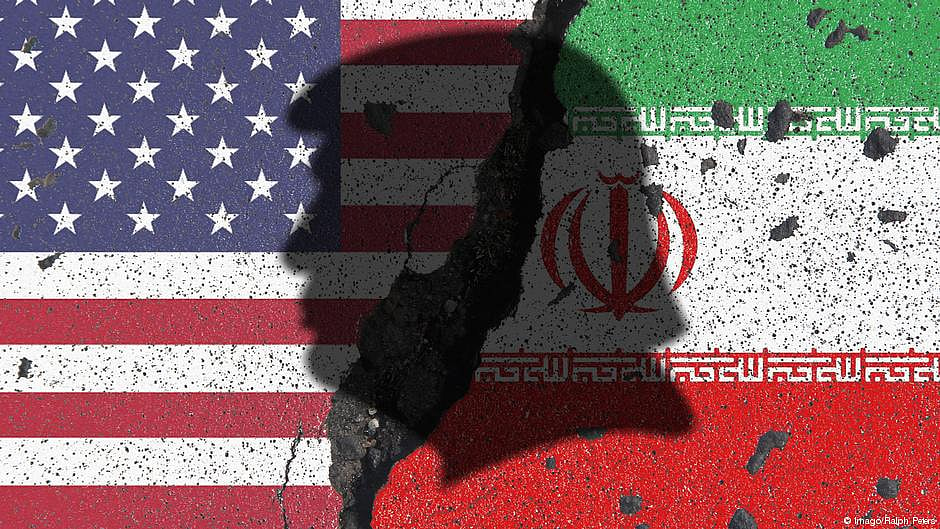
The United States and Iran are preparing to enter a third round of negotiations over Tehran’s nuclear programme, with talks due to take place in Geneva against a backdrop of deep mistrust, fresh sanctions and an expanded American military deployment in the Middle East, the Al Jazeera reported.
Iran’s foreign minister Abbas Araghchi arrived in the Swiss city on Wednesday, where he met Oman’s foreign minister, Badr Albusaidi, who is acting as intermediary in the indirect discussions scheduled for Thursday.
Speaking before his departure, Araghchi said a “fair, balanced and equitable” agreement was achievable. He reiterated that Iran does not seek nuclear weapons but would not relinquish what it describes as its right to the peaceful use of nuclear technology.
The renewed diplomatic push comes as rhetoric between Tehran and Washington continues to fluctuate between engagement and confrontation.
In Washington, US vice-president J.D. Vance accused Iran of attempting to revive aspects of its nuclear programme following American strikes on Iranian nuclear facilities last June. He warned that Tehran should take US threats of military action seriously.
“The principle is very simple: Iran can’t have a nuclear weapon,” Vance told reporters at the White House. “If they try to rebuild a nuclear weapon, that causes problems for us.”
The US Treasury has meanwhile imposed sanctions on more than 30 individuals, companies and vessels alleged to have facilitated Iranian oil sales and supported its ballistic missile and weapons programmes. Treasury Secretary Scott Bessent said Iran was exploiting international financial systems to fund activities ranging from oil exports to procurement for its nuclear and conventional arms efforts, as well as backing regional armed groups.
President Donald Trump, in his recent State of the Union address, accused Iran of harbouring “sinister nuclear ambitions” and developing missiles capable of reaching the United States — claims firmly rejected by Iranian officials. Tehran’s foreign ministry spokesman, Esmaeil Baghaei, dismissed the accusations as “big lies”, likening the administration’s messaging to wartime propaganda.
US secretary of state Marco Rubio said the Geneva discussions would focus primarily on the nuclear issue but reiterated Washington’s concern over Iran’s ballistic missile programme, particularly its alleged pursuit of intercontinental-range capabilities. Iran has insisted that its missile programme is defensive in nature and should not form part of the nuclear negotiations.
Thursday’s talks are being led on the US side by special envoy Steve Witkoff and senior adviser Jared Kushner. Earlier rounds were held in Oman on 6 February and in Geneva on 17 February. While both sides have indicated some preliminary alignment on general principles, no substantive agreement has yet emerged.
Observers say significant gaps remain, particularly over uranium enrichment levels and broader regional issues, including Iran’s defence posture and its support for allied groups across the Middle East.
Uncertainty also surrounds the current state of Iran’s nuclear infrastructure. Although Trump previously claimed US strikes had “obliterated” the programme, senior officials now describe it as an ongoing concern. Inspectors from the International Atomic Energy Agency have not been permitted to verify the condition of facilities at Fordow, Natanz and Isfahan following last year’s attacks.
Tehran has warned that any further US military action would trigger retaliation against American bases in the region, where tens of thousands of US troops are stationed. Iranian officials have also threatened to close the Strait of Hormuz, a critical shipping route for global oil supplies.
The United States has mounted what officials describe as a significant show of force. The USS Abraham Lincoln carrier strike group has been operating in the Arabian Sea since January, and Trump has ordered the deployment of the USS Gerald R Ford, along with additional destroyers and thousands of troops. Dozens of fighter aircraft, including F-35s, F-22s, F-15s and F-16s, have also been redeployed from bases in the US and Europe.
US Central Command said the build-up was designed to protect American personnel and deter escalation. “Deterrence from our perspective comes through a show of strength,” a spokesman said.
Washington hopes the combination of military pressure and economic sanctions will encourage Iran to curb its uranium enrichment activities and open the door to broader negotiations on missiles and regional influence, in exchange for economic relief.
Iran’s parliamentary speaker, Mohammad Bagher Ghalibaf, said Tehran remained open to diplomacy that respects national dignity and mutual interests. However, he warned that any attack during negotiations would provoke a forceful response.
With both sides publicly committed to diplomacy but simultaneously preparing for confrontation, the outcome of the Geneva talks remains uncertain.
Join our official telegram channel (@nationalherald) and stay updated with the latest headlines