World
US copter crashes near Hormuz, Trump says pilots fine, insists Iran deal soon
US president says crew escaped unhurt after Apache helicopter went down near strategic strait
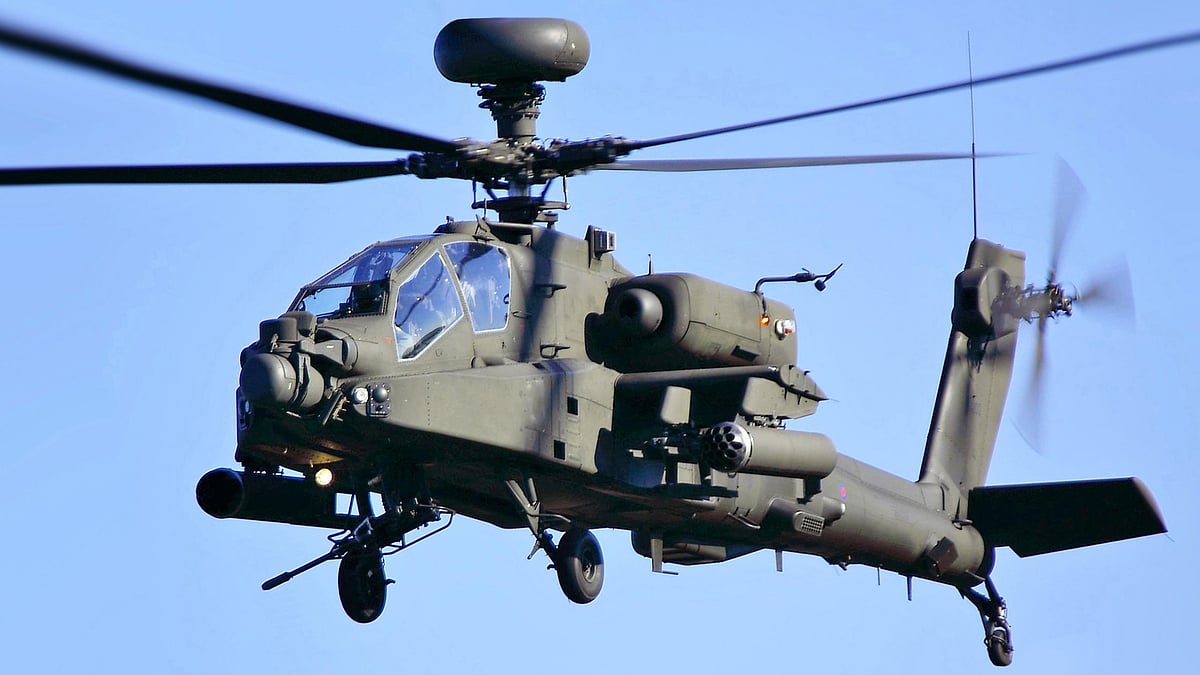
A US Army attack helicopter crashed near the Strait of Hormuz, one of the world's most critical maritime chokepoints, though US President Donald Trump said both crew members survived the incident without injuries.
The cause of the crash remained unclear on Tuesday, as West Asia continued to grapple with renewed instability following fresh exchanges of fire between Iran and Israel that marked the most serious violation yet of the fragile ceasefire that ended months of conflict.
Iranian state media reported that Israeli strikes on Monday killed at least two members of the country's air defence forces. The latest violence has fuelled concerns that the ceasefire could unravel, even as diplomatic efforts continue to secure a broader agreement between Washington and Tehran.
The conflict, which intensified after US and Israeli military operations against Iran began on 28 February, has had significant global repercussions. Energy markets have remained volatile, shipping routes have faced disruptions, and rising fuel costs have contributed to higher prices for essential goods worldwide. Efforts to convert the April ceasefire into a lasting political settlement have repeatedly stalled, while Israel has simultaneously expanded military operations against the Iran-backed Hezbollah movement in Lebanon.
Speaking to reporters at New York's John F. Kennedy International Airport late on Monday, Trump confirmed that the helicopter's crew had escaped unharmed.
"The pilots are fine. Yeah," Trump said. "Nobody injured. We are going to issue a report tomorrow. But the pilots are fine."
According to an earlier report by the New York Times, a US Army Apache attack helicopter crashed near the Strait of Hormuz under circumstances that remain under investigation. Neither US Central Command nor the Pentagon immediately commented on the incident.
Apache helicopters have played a central role in US operations in the region, including enforcing restrictions on Iranian oil shipments and monitoring maritime traffic through the Gulf. They have also been deployed alongside regional allies, including the United Arab Emirates, to counter Iranian drone threats during the conflict.
Trump says agreement with Iran is within reach
Despite the latest tensions, Trump struck an optimistic note regarding negotiations with Tehran, suggesting that a breakthrough could be achieved within days.
"We have a good chance" of securing an agreement in "two or three days", the president said, although he did not elaborate on what had prompted the renewed confidence.
"We're very close to having a very, very good, strong, powerful deal," Trump said. "If we go and bomb — which we could do very easily if we want, and we spend another two or three weeks bombing — they'll have nothing left whatsoever. But you won't have the strait open for months."
He added: "If we do the bombing, you know, a lot of people are going to be killed. Who wants to do that? I don't."
Mediation efforts, led largely by Pakistan, have continued for weeks but have struggled to bridge major differences between the two sides.
Washington wants Iran to relinquish its remaining stockpile of highly enriched uranium, much of which is believed to have survived US strikes during the 2025 conflict. Tehran, however, has insisted on sanctions relief and access to frozen assets before any final agreement is signed — demands the Trump administration has so far rejected.
Iranian officials have also expressed scepticism over the prospects for a deal. On Monday, Iranian parliament speaker Mohammad Bagher Ghalibaf accused Washington of sending mixed signals.
Trump's statements on a potential agreement, he said, "contradicted the agreed-upon sections", indicating that the United States was "neither seeking a ceasefire nor dialogue".
With AP/PTI inputs
Join our official telegram channel (@nationalherald) and stay updated with the latest headlines