World
US blockade an act of war; measures taken to break it: Iran
Tehran remains open to diplomacy through Qatar and Oman, but says Washington must meet its conditions
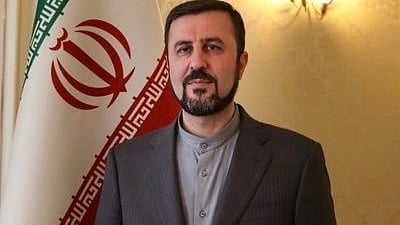
Iran called the US economic blockade an act of war and vowed to break it
Tehran remains open to diplomacy through Qatar and Oman, but says Washington must meet its conditions
Iran dismissed US weapons allegations and insisted its enriched uranium remain inside the country
Iran has described the US economic blockade imposed on the country as an act of war, warning that Tehran will take all necessary measures to break it, deputy foreign minister for legal and international affairs Kazem Gharibabadi said on Saturday, according to local media reports.
Speaking to reporters, Gharibabadi said Iran would not tolerate economic pressure being used as a tool to force political concessions, stressing that Tehran would respond to the blockade through appropriate measures.
He noted that Iran remained engaged with regional mediators, including Qatar, to explore the possibility of reviving diplomatic efforts through both face-to-face meetings and virtual discussions.
Confirming recent diplomatic contacts, Gharibabadi said a Qatari delegation arrived in Tehran on Friday night and held around two hours of discussions with Iranian officials before returning. He thanked Qatar for its diplomatic initiatives and its role in maintaining communication channels between the parties, Iran's state-run IRNA news agency reported.
The deputy foreign minister also said Iran's two-day proposal, previously conveyed by foreign minister Abbas Araghchi to the Sultan of Oman, remained on the table. He described it as Tehran's only formally submitted proposal, adding that further diplomatic progress would depend on Washington meeting the conditions required for its implementation.
Rejecting recent US allegations that Iran could potentially use chemical weapons or a radiological weapon, commonly referred to as a dirty bomb, Gharibabadi dismissed the claims as politically motivated and intended to justify Washington's political and military objectives.
He argued that the allegations followed a familiar pattern of accusations previously levelled against Iran's nuclear programme. He further maintained that not "a single gram" of Iran's nuclear material had been diverted for military purposes.
On the nuclear issue, Gharibabadi clarified that no negotiations had yet begun, reiterating Tehran's position that its enriched nuclear material must remain inside the country and must not be transferred abroad.
His remarks come amid continuing tensions between Washington and Tehran, alongside diplomatic efforts by regional countries to prevent further escalation and create conditions for renewed dialogue.
With IANS inputs
Join our official telegram channel (@nationalherald) and stay updated with the latest headlines