World
US defends escalation in Iran conflict as tensions continue to rise
Treasury secretary says stronger action is needed for security as both sides trade threats over Strait of Hormuz
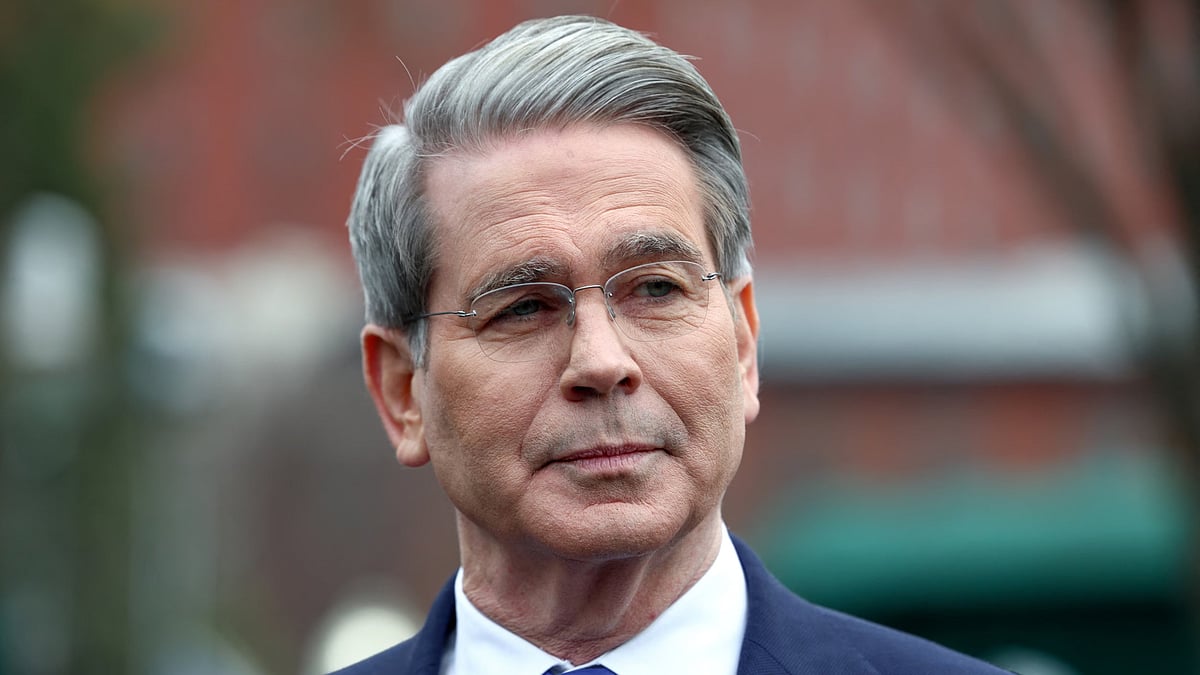
The United States has defended its military posture in the ongoing conflict with Iran, with treasury secretary Scott Bessent stating that President Donald Trump is taking decisive steps to curb Tehran’s capabilities and enhance global security.
Speaking in a televised interview, Bessent argued that previous conditions had created only an “illusion of security”, warning that further delays could have allowed Iran to significantly expand its missile programme and move closer to developing nuclear weapons.
The Hindustan Times reported that Bessent maintained that stronger action was necessary to prevent long-term threats, adding that the current US approach aimed to bring stability to the West Asia. In separate remarks, Bessent said Washington was prepared to take whatever measures were required to achieve its objectives, suggesting that escalation could, in some cases, be used as a means to ultimately reduce tensions.
The comments come amid heightened rhetoric between the two sides. Trump has warned that the US could target Iran’s power infrastructure if Tehran does not fully reopen the strategically vital Strait of Hormuz, a key global energy route that has become a central flashpoint in the conflict.
Iranian officials have responded by warning of retaliatory strikes against US and Israeli assets, particularly energy and infrastructure facilities. The exchange of threats has fuelled concerns about a broader regional escalation.
Meanwhile, violence on the ground continues to intensify. Iranian missile strikes reportedly hit areas in southern Israel, causing injuries and damage to buildings near a major nuclear research facility.
The conflict, now in its third week, has led to significant casualties across multiple countries. Reports indicate that more than 1,500 people have been killed in Iran, over 1,000 in Lebanon, and dozens in Israel, along with US military personnel. The fighting has also displaced millions of civilians, particularly in Iran and Lebanon, worsening an already severe humanitarian situation.
With both sides signalling a willingness to escalate further, fears are growing that the conflict could disrupt global energy supplies and draw in additional regional actors, complicating efforts to achieve a diplomatic resolution.
Join our official telegram channel (@nationalherald) and stay updated with the latest headlines