World
US federal authorities announce end to immigration crackdown in Minnesota
ICE operation criticised as a “siege” saw mass detentions, protests and two deaths
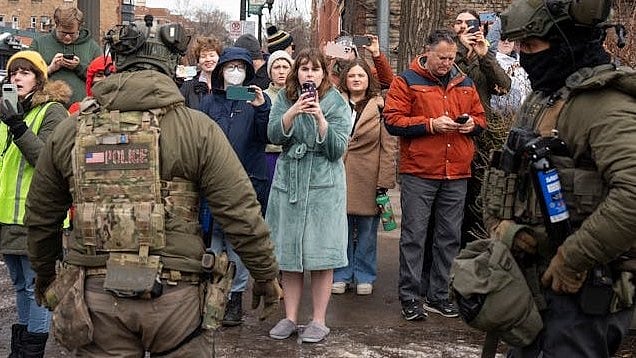
The sweeping federal immigration crackdown in Minnesota — marked by mass detentions, protests, allegations of civil rights violations and two fatal shootings of US citizens — is set to wind down, border czar Tom Homan said on Thursday.
“As a result of our efforts here Minnesota is now less of a sanctuary state for criminals,” Homan told reporters, announcing he had proposed ending the surge deployment and that President Donald Trump had agreed. “I have proposed, and the president has concurred, that this surge operation conclude.”
The enforcement push, known as Operation Metro Surge, began on 1 December 2025 when US Immigration and Customs Enforcement (ICE) deployed thousands of federal officers across the Minneapolis–St Paul metropolitan area. Armoured vehicles, tactical units and coordinated pre-dawn raids quickly transformed neighbourhoods into heavily policed zones — conditions local officials and activists described as a de facto “siege”.
Federal authorities say more than 4,000 people were arrested during the sweeps, which the administration characterised as targeting “dangerous criminal illegal aliens”. However, legal advocates and local leaders reported detentions of individuals without criminal records, including children and US citizens, intensifying criticism of the operation’s scope and conduct.
The months-long crackdown triggered repeated demonstrations and heightened political confrontation between federal and state authorities. Tensions escalated further after two fatal shootings — of Renee Good and Alex Pretti — involving federal immigration agents, incidents that fuelled demands for oversight and contributed to mounting public backlash.
Homan assumed direct oversight of the Minnesota deployment in late January following the second shooting and amid scrutiny over tactics and accountability. His involvement coincided with negotiations over scaling back the federal presence.
Democratic governor Tim Walz said earlier this week he expected the operation to conclude in “days, not weeks and months” after discussions with Homan and White House chief of staff Susie Wiles. Walz characterised the federal presence as an “occupation” and a “retribution campaign” against the state, reflecting the depth of friction between Minnesota officials and the administration.
Minneapolis mayor Jacob Frey also reported a “positive meeting” with Homan on Monday, saying they discussed further reductions in federal deployments. Officials from the Department of Homeland Security did not respond to requests for comment on Walz’s remarks.
Walz said he accepted Homan’s assurance that roughly 700 federal officers would withdraw immediately, though he noted that about 2,300 personnel remained on Minnesota streets. Homan previously attributed the drawdown to increased cooperation with local detention facilities holding deportable inmates, which he said reduced the need for large federal deployments.
While federal authorities portray the operation as a law-enforcement success, critics argue its scale and tactics left lasting scars — with communities disrupted, trust in institutions strained and unresolved questions surrounding the deaths and detentions that came to define what many residents experienced as months under siege.
With AP/PTI inputs
Join our official telegram channel (@nationalherald) and stay updated with the latest headlines