World
US House votes to curb Iran war, dealing political blow to Trump
Bipartisan resolution calls for an end to hostilities as lawmakers question the costs, legality and effectiveness of the conflict
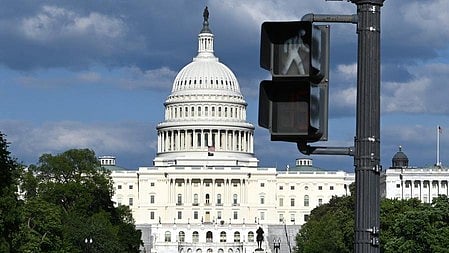
The US House of Representatives has approved a bipartisan resolution seeking to end American military involvement in Iran, marking a significant political setback for President Donald Trump amid growing criticism of a conflict that has entered its fourth month.
The War Powers Resolution was passed by a narrow 215-208 vote on Wednesday, reflecting increasing unease among lawmakers over the administration's handling of the conflict and the broader question of presidential authority to engage in military action without explicit congressional approval.
The measure was introduced by senior Democratic lawmakers, including House Foreign Affairs Committee Ranking Member Gregory Meeks, and received support from members across party lines.
Describing the vote as a landmark moment, Meeks said the resolution represented a bipartisan rejection of what he characterised as an unauthorised and costly military campaign. He argued that the conflict had failed to achieve its stated objectives while increasing risks for the United States and its allies.
Critics of the administration contend that the war has not succeeded in curbing Iran's nuclear ambitions, altering the country's leadership or reducing regional instability. Instead, they argue, the conflict has strengthened Tehran's strategic leverage and complicated diplomatic efforts aimed at resolving tensions.
House Armed Services Committee Ranking Member Adam Smith said the administration had fallen short of its goals and warned that the conflict was imposing significant economic and strategic costs on the United States. He also pointed to growing public opposition to the war and concerns over its long-term consequences.
Lawmakers backing the resolution argued that Congress, not the President alone, holds the constitutional authority to declare war. They maintained that continued military operations without congressional approval raised serious constitutional questions.
Representative Pramila Jayapal, who was unable to participate in the vote because she was in India attending to a family medical emergency, said she would have supported the measure. She described the conflict as a war of choice and argued that it had resulted in unnecessary loss of life, civilian suffering and economic hardship.
Supporters of the resolution cited rising fuel prices, escalating military expenditure and the continued loss of life as evidence that the conflict was placing an increasing burden on American citizens. They also warned that the war had undermined prospects for a negotiated solution to concerns surrounding Iran's nuclear programme.
The House vote highlights growing divisions in Washington over the administration's Iran policy and has intensified debate over the balance of power between Congress and the White House on matters of war and national security.
Attention now shifts to the Senate, where supporters of the resolution hope to build momentum for further action. Backers of the measure said the House vote sent a clear message that lawmakers and voters alike are increasingly sceptical of an open-ended military engagement in West Asia.
The outcome is expected to fuel a broader national debate over the scope of presidential war powers and the role of Congress in overseeing military operations overseas.
With IANS inputs
Join our official telegram channel (@nationalherald) and stay updated with the latest headlines