World
US munitions stockpiles strained after costly Iran conflict, report warns
High expenditure and redeployments raise concerns over military readiness in other regions
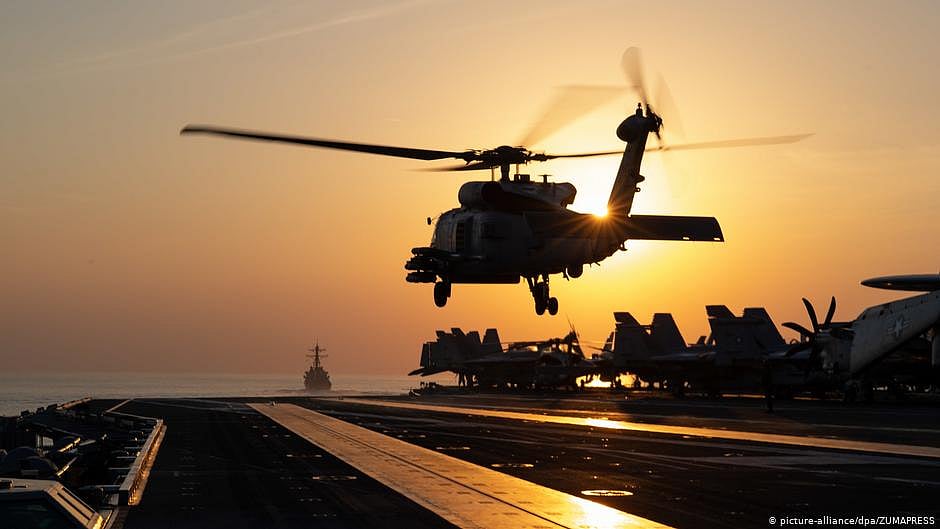
A recent assessment has revealed the significant strain placed on US military resources following its recent conflict with Iran, raising concerns over both financial costs and future preparedness.
A study by the Centre for Strategic and International Studies (CSIS) published by the Hindustan Times showed that during the 38-day campaign, dubbed ‘Operation Epic Fury’, the United States is estimated to have spent between $28 billion and $35 billion, with daily costs approaching $1 billion.
The scale of munitions used has been particularly striking, with more than 1,100 long-range JASSM-ER missiles and over 1,000 Tomahawk cruise missiles deployed, far exceeding typical annual procurement levels.
The conflict has also significantly depleted key defence systems. More than 1,200 Patriot interceptor missiles were used to counter aerial threats, despite annual production being roughly half that number. Additional ground-based missile systems, including Precision Strike and ATACMS, were also heavily utilised, leaving stockpiles at concerning levels, according to analysts.
Experts warn that the implications extend beyond the Middle East. To sustain operations, the Pentagon reportedly diverted resources from Europe and Asia, including missile defence systems and personnel. Notably, interceptor missiles from the THAAD system in South Korea were reassigned, while troops were redeployed from the Pacific region.
Military analysts have cautioned that replenishing these depleted inventories could take years, particularly given current production rates and pending congressional approval for additional funding. A proposed $200 billion supplemental defence package remains under consideration.
The financial burden of the conflict may also be far greater than immediate estimates suggest. Economists have pointed to long-term costs such as veteran care and disability benefits, which historically form a substantial portion of total war expenditure.
The impact, according to the CSIS report, has also been felt domestically, with rising fuel prices linked to tensions around the Strait of Hormuz, a key global oil transit route. Analysts note that the daily cost of the conflict exceeds expenditure on major US social programmes such as food assistance.
While US officials have pushed back against claims of depleted stockpiles, insisting that military readiness remains intact, the report highlights growing concern among defence planners about the sustainability of prolonged high-intensity conflicts.
Join our official telegram channel (@nationalherald) and stay updated with the latest headlines