Nation
Academics, students surprised by UP governor’s campus conversion directive
Faculty and students fear the directive could trigger intrusive scrutiny and motivated complaints
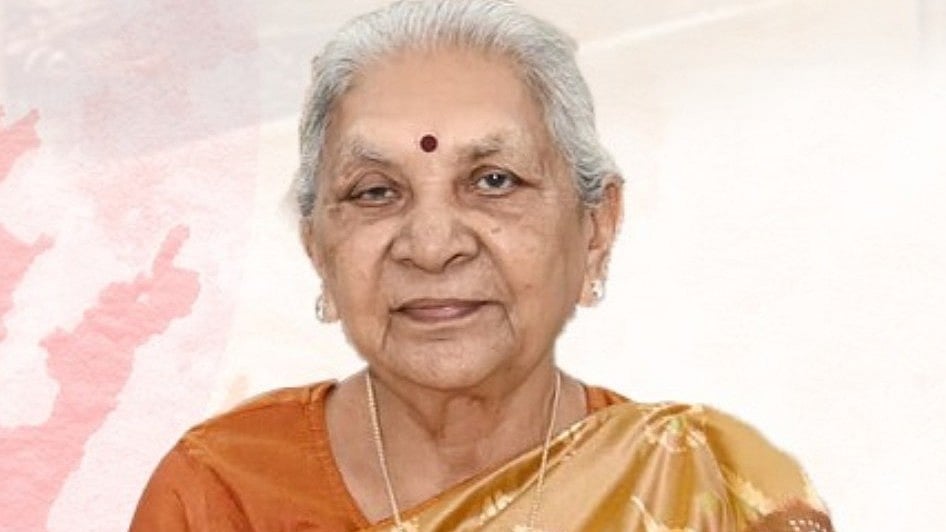
A directive asking universities and higher educational institutions to activate and strengthen anti-radicalisation units and monitoring mechanisms against attempts at religious conversion has caught the campus by surprise. The directive issued by the governor’s secretariat also triggered criticism from opposition parties, academics, activists and student leaders. The move could deepen communal divisions on campuses and divert attention from pressing educational concerns.
It is not known what provoked the direction or what was the immediate trigger. Nobody appears to know about any study conducted in colleges and universities on religious conversion in the campus or number of such conversions, if any. The letter dated 29 May 2026, addressed to vice-chancellors and directors of state universities and institutions, the governor and chancellor Anandiben Patel’s office called for immediate preventive measures against attempts to convert students through inducement or psychological pressure.
The communication, issued by Dr Sudhir M. Bobde, special executive officer to the chancellor, states that reports of such activities are being received frequently and calls upon institutions to ensure a "safe, secular and academic environment". The communication does not however cite any specific incidents, complaints, university reports or official data to substantiate the claim; nor does not identify any particular institution where such activities were allegedly detected.
A copy of the directive reviewed by this correspondent shows that universities have been asked to strengthen Student Welfare Cells, establish counselling centres, intensify vigilance in hostels and other sensitive locations, conduct surprise inspections and promptly inform local administration and police about suspicious activities linked to religious conversion.
The letter also directs institutions to organise lectures and seminars on moral values, logical thinking and legal rights while recommending closer engagement with students through parent-teacher interactions and informal meetings to track their well-being and concerns. The directive comes despite widespread criticism of Uttar Pradesh's anti-conversion law by civil liberties groups, opposition parties and human rights activists who allege misuse of the law and false allegations inviting swift polie action without any inquiry.
While convictions have been rare and negligible, arrests, prolonged investigations and criminal proceedings have imposed significant social and financial burdens and trauma on the accused. Additionally, the allegations, frequently false, have led to communal tensions and created a climate of fear among minority communities.
Former Lucknow University vice-chancellor Prof Roop Rekha Verma is appalled. "The Governor's instruction will disempower Muslims, discourage them and deprive them of higher education," she felt. Warning that the directive could be misused against Muslim students as well as Muslim teachers on campuses, she added, “this can easily be used to target Muslim students and faculty members. Instead of creating such cells, the Governor should stop the growing trend of organised bhajan and kirtan programmes being introduced in some educational campuses," she said.
Congress leaders argue that the move appears designed to shift public attention away from issues like the NEET paper leaks, the CBSE fiasco and issues including unemployment and examination irregularities causing widespread discontent among the youth. Congress leader Shahnawaz Alam slammed the move as part of a larger political strategy. "It is a deliberate attempt to create communal divisions among students at a time when young people are on the streets raising questions about paper leaks, unemployment and the future of education," Alam said. The BJP appeared uncomfortable with growing youth mobilisation.
The governor is effectively introducing moral policing, says Human rights activist Arun Khote. “Muslim parents may fear their children will be targeted with false allegations and police action, which may discourage these families from sending their children to universities.” "When universities begin viewing students through the lens of suspicion, it damages trust and weakens the educational environment," he added.
"Since Independence, students from Hindu, Muslim and other communities have studied together in universities but this is the first time a Chancellor has issued such a directive,” exclaimed Samajwadi Party MLC Ashutosh Sinha. The directive will sow seeds of suspicion and create division among students, who have traditionally coexisted and interacted freely on campuses.
NSUI leader Vishal Singh said the directive ignores the real concerns confronting students. "The Governor should first address issues like fee hikes, lack of employment opportunities and problems in higher education instead of encouraging divisive politics," he said. " Universities are places where students from diverse backgrounds come together to learn and grow. Such directives weaken the bonds between students and create unnecessary divisions," he pointed out.
Universities are already struggling with rising costs, infrastructure deficiencies and uncertainty regarding employment opportunities. He argued that these concerns require urgent attention rather than new mechanisms to monitor alleged conversions.
Join our official telegram channel (@nationalherald) and stay updated with the latest headlines