Nation
Air India crash inquiry enters second year as key questions remain unanswered
A year after 260 people died in Ahmedabad-London crash, scrutiny remains focused on cockpit actions, engine systems and maintenance records
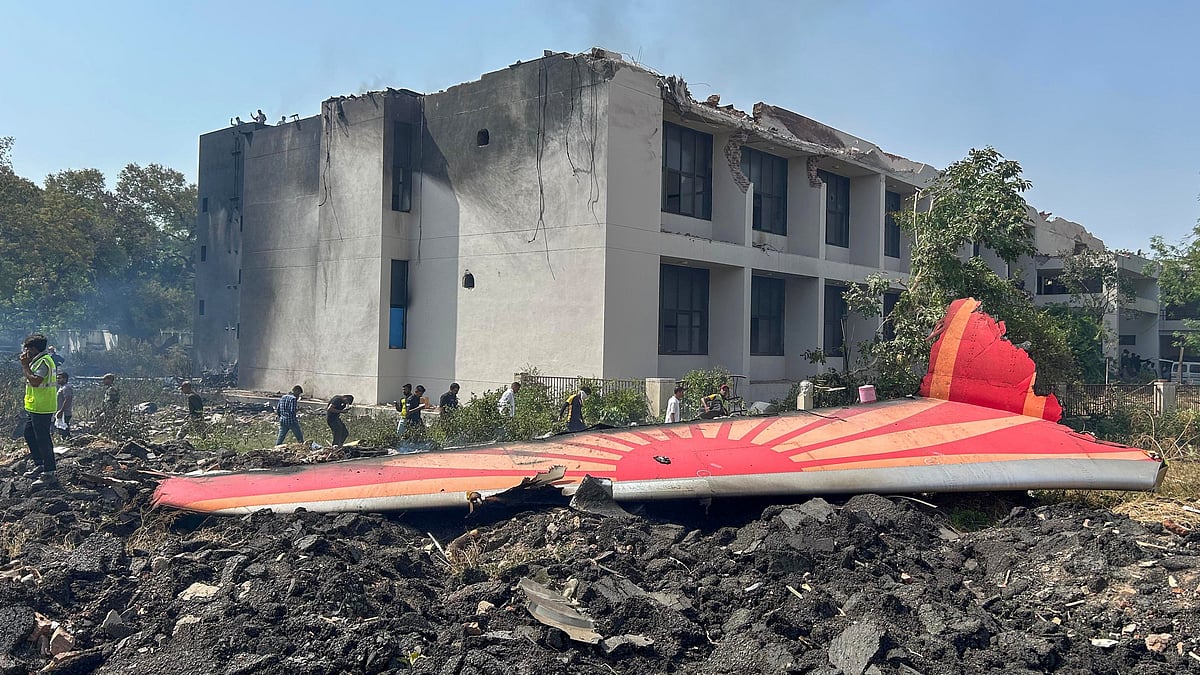
One year after the Air India Flight AI171 disaster claimed 260 lives, investigators are set to miss a key international deadline for publishing their final findings, leaving many of the central questions surrounding India's worst aviation accident in decades unanswered.
Instead of releasing a conclusive report on the first anniversary of the crash, the Aircraft Accident Investigation Bureau (AAIB) is expected to issue a status update outlining the progress of the inquiry and the reasons for the delay.
Under international aviation protocols, accident investigators are expected to publish a final report within one year wherever possible. If the investigation remains incomplete, an interim statement is required.
The principal reason for the delay is understood to be the continuing examination of the aircraft's GE Aerospace engines in the United States. According to reports, investigators expect to complete their work and issue a final report within the next three months.
Flight AI171 crashed just 32 seconds after taking off from Ahmedabad for London on 12 June last year. The Boeing 787 Dreamliner lost thrust shortly after departure and plunged into a densely populated area beyond the airport boundary. Of the 242 people on board, 241 died, while 19 people on the ground were also killed. Only one passenger survived.
Over the past year, investigators from India, the United States, Boeing, GE Aerospace and the US National Transportation Safety Board have analysed extensive evidence recovered from the wreckage, including data from the cockpit voice recorder and flight data recorder.
Despite the lengthy inquiry, no definitive explanation has yet emerged.
A major focus of the investigation has been activity inside the cockpit during the aircraft's final moments. The AAIB's preliminary report, released in July 2025, revealed that both engine fuel-control switches moved from the "run" position to the "cut-off" position shortly after take-off.
The switches regulate fuel supply to the engines and are not normally operated during flight. Their movement would have immediately interrupted fuel flow to both engines, causing a catastrophic loss of power.
However, the preliminary findings stopped short of explaining who moved the switches or why they were moved.
According to the report, one pilot was heard asking the other why the switches had been moved, while the second pilot denied doing so. Investigators did not identify which pilot made either statement.
Subsequent media reports suggested that an early assessment by US officials examined the possibility that one of the pilots may have cut fuel to the engines. Indian investigators later cautioned that it remained too early to draw firm conclusions.
The suggestion of deliberate pilot action has generated significant controversy.
The Federation of Indian Pilots has strongly criticised what it sees as an excessive focus on cockpit actions and has urged investigators not to issue an interim report that could fuel further speculation.
Pilot representatives have argued that additional technical information from Boeing and Air India should be examined before any conclusions are reached. They have also called for greater scrutiny of maintenance records and technical issues identified during regulatory audits of Air India's fleet.
The airline has rejected suggestions that maintenance concerns were overlooked and has maintained that it undertook extensive inspections of its Boeing 787 fleet under the supervision of the Directorate General of Civil Aviation following the crash.
The outcome of the investigation carries implications well beyond Air India.
For Boeing, the inquiry represents a critical test for the reputation of the 787 Dreamliner, which had never previously been involved in a fatal accident since entering commercial service in 2011. The aircraft programme has faced earlier scrutiny over battery failures, manufacturing concerns and quality-control issues, making the final findings especially significant for the US manufacturer.
For Air India, the tragedy struck during a major transformation effort under Tata Group ownership as the airline sought to modernise operations and rebuild its global standing.
Meanwhile, victims' families continue to wait for answers.
The sole survivor of the crash, British national Vishwash Kumar Ramesh, has publicly called for transparency and accountability, saying the disaster continues to cast a long psychological shadow over those affected.
Legal representatives acting for some families have indicated that civil claims are being considered, with many relatives hoping the final report will provide greater clarity on how the crash occurred and whether it could have been prevented.
Alongside the investigation, Tata Group and Air India have continued compensation and support efforts for victims' families.
The group said ex-gratia payments of Rs 1 crore have been disbursed to the vast majority of affected families, while interim compensation payments have reached 96 per cent of eligible recipients. The airline has also overseen the return of thousands of personal belongings recovered from the crash site, although some families have chosen not to collect them.
Tata Group said more than 500 volunteers from across its companies were deployed in the aftermath of the tragedy, with dedicated caregivers assigned to support families through identification procedures, travel arrangements and funeral processes.
Yet for many relatives, financial assistance and support programmes cannot substitute for the answers they continue to seek.
As the investigation enters its second year, the question that has haunted the aviation industry since the aircraft fell from the sky after less than a minute of flight remains unresolved: what caused one of the world's most advanced passenger aircraft to lose power moments after take-off, and could the disaster have been prevented?
Join our official telegram channel (@nationalherald) and stay updated with the latest headlines