Nation
Bengal: 91 pc of SIR appeals result in restored voter names, as per RTI reply
Of 82,000 appeals disposed of by tribunals, 75,339 resulted in names being restored, raising fresh questions over the SIR process
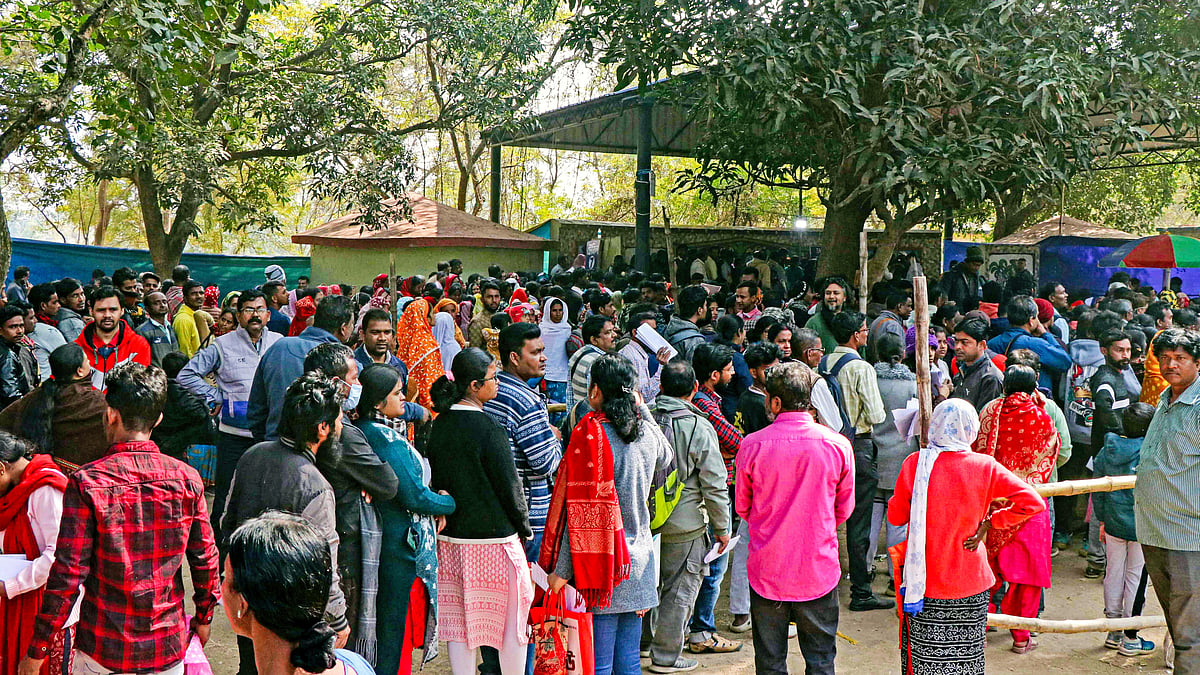
An RTI reply to a Congress MP has opened a can of worms over the disputed and controversial Special Intensive Revision (SIR) of electoral rolls in West Bengal. The 28-page reply, dated 17 August, informed Congress MP Isha Khan Choudhury of South Malda that:
As of 7 August 2026, the appellate tribunal in West Bengal had received 38.10 lakh appeals arising from the SIR. It had decided 82,000 appeals, or 2.17 per cent of the total, four months after the tribunal was formed following directions from the Supreme Court.
Of the 82,000 appeals disposed of by the appellate tribunal, as many as 75,339, or 91 per cent, were upheld and the names ordered to be restored to the electoral roll.
The appellate tribunal turned down 7,339 appeals (8.86 per cent of the 82,000), but the RTI reply does not provide reasons for the exclusions.
The final electoral roll in West Bengal had deleted 27.28 lakh voters from the ‘under adjudication’ list after marking them as ‘not eligible’. They were the ones expected to approach the appellate tribunal. So, how did the tribunal end up receiving 10 lakh more appeals?
The RTI reply also informed the Congress MP that 31 lakh of the 38 lakh appeals challenged the inclusion of voters in the electoral rolls.
The RTI reply has left the Congress MP baffled. Why did only 7 lakh of the 27 lakh voters found ‘not eligible’ reach out to the appellate tribunal, he wondered. Another question his lawyers posed before the Supreme Court was: who are the people who filed 31 lakh appeals demanding the deletion and exclusion of voters? Were they filed by the Election Commission of India (ECI) or by individuals? If they were filed by individuals, who are they and what is their locus standi to file such appeals before the tribunal?
The answers are not available in the public domain because the appellate tribunal has been working in a black hole. The ECI website posts no information on appeals pending before the tribunal. Nor does the website of the chief electoral officer, West Bengal. The appellate tribunal itself has parted with no information for the public. It has no website carrying details, orders or reasons for appeals it has rejected. It has developed no system of briefing the media or issuing press releases either.
Public memory being short, it is worth recalling how 27 lakh voters found themselves left out as ‘not eligible’ days before the West Bengal Assembly election in April-May. The ECI had flagged 1.24 crore voters in the state for ‘logical discrepancies’ identified by an unknown computer application. They were asked to appear in person for a hearing and submit documents in support of the information they had provided. Some of the logical discrepancies were sorted out and removed to the satisfaction of the ECI.
The ECI, however, proceeded to list 62 lakh voters as ‘under adjudication’. Judicial officers, mostly district judges from West Bengal and neighbouring states, were drafted to scrutinise these claims and ‘adjudicate’. The exercise ended with 27 lakh of them being excluded as ‘not eligible’. None of them was given any reason. The Supreme Court, apprised of glaring cases of omission, ordered Calcutta High Court to constitute an appellate tribunal to hear appeals.
These voters found ‘not eligible’ were the ones who had successfully mapped their legacy with the 2002/03 electoral roll as required, produced documents and appeared in person before adjudicators. In 91 per cent of the appeals disposed of by the tribunal, their exclusion was reversed and their names were ordered to be restored.
The figures raise serious doubts about the SIR process in West Bengal and the ECI needs to answer some hard questions.
The Supreme Court bench comprising Chief Justice of India Surya Kant and Justices Joymalya Bagchi and V. Mohana, however, passed an order directing the ECI to file an affidavit specifying:
The number of appeals pending before the tribunals.
A break-up of the appeals filed at the instance of excluded persons and the appeals against inclusions.
How many appeals have so far been disposed of, including the nature of relief sought in those appeals.
How many appeals have been allowed and what consequential steps are being taken to update the electoral rolls pursuant to such orders.
The apex court will hopefully direct the ECI to ensure that appellants are informed through public notification of the dates of hearings by tribunals, and direct the tribunals to pass speaking orders in writing, letting appellants know the reasons for their exclusion.
Join our official telegram channel (@nationalherald) and stay updated with the latest headlines