Nation
Bihar: ‘Time of Day’ power tariff from 1 April; evening electricity to get expensive
BERC clears DISCOM proposal; govt says move will stabilise grid, Opposition flags burden on consumers
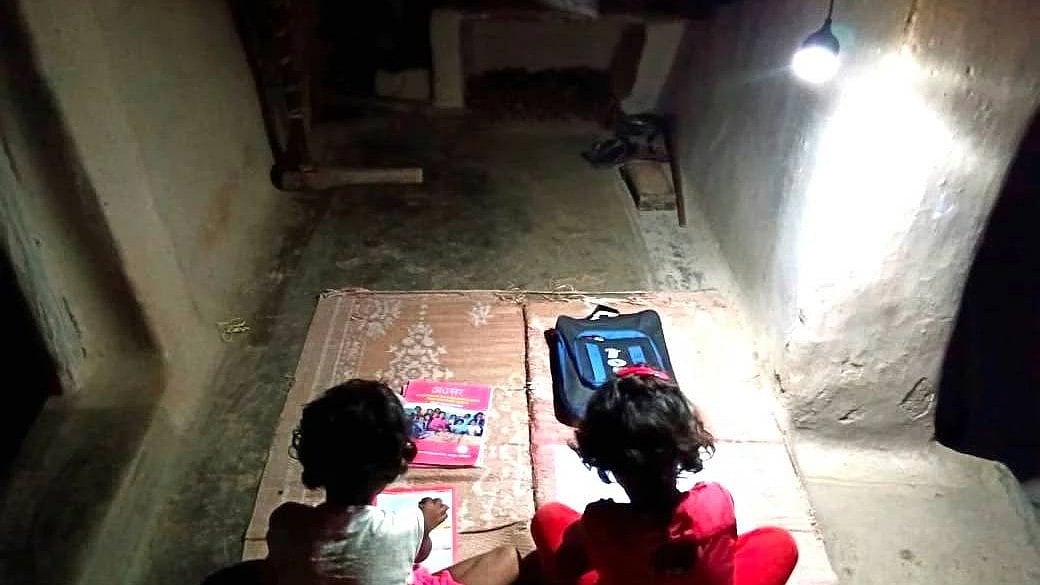
Electricity consumers in Bihar will face higher tariffs during evening peak hours as the state rolls out a ‘Time of Day’ (TOD) pricing system from 1 April, a move aimed at managing demand but likely to increase household bills.
The decision follows approval by the Bihar Electricity Regulatory Commission (BERC) on a proposal submitted by North Bihar Power Distribution Company Limited (NBPDCL) and South Bihar Power Distribution Company Limited (SBPDCL).
BERC chairman Amir Subhani said the system was necessary as distribution companies increasingly rely on short-term power purchases from exchanges, where prices fluctuate depending on demand.
Higher tariff during peak hours
Under the new system, electricity rates will vary based on time of consumption:
9 am to 5 pm (solar hours): 80% of normal tariff
5 pm to 11 pm (peak hours):
110% for domestic users
120% for commercial and industrial users
11 pm to 9 am: 100% of normal tariff
Officials said demand typically rises sharply in the evening due to increased use of appliances such as fans, air conditioners and lighting, necessitating higher tariffs during this period.
Subhani said consumption patterns could be adjusted by consumers to reduce bills, while the system would also help stabilise the grid and reduce the risk of outages.
Impact on consumers
Bihar has over 2.21 crore electricity consumers, of which nearly 1.88 crore are domestic users. The TOD system will initially apply to around 87 lakh consumers, including those with smart prepaid meters or connected load above 10 kilowatt (kW).
Agricultural users have been exempted from the TOD tariff.
The move is expected to partly offset the benefit of the state government’s scheme providing 125 units of free electricity to domestic consumers, introduced ahead of the Assembly elections last year.
What is TOD tariff?
TOD tariff is a pricing mechanism where electricity rates vary depending on the time of usage, rather than being charged at a flat rate.
The system is designed to:
Encourage consumers to shift usage to off-peak hours
Improve grid stability
Promote efficient use of energy and renewables
The Union government introduced TOD tariffs in 2020, mandating phased implementation across states, especially for consumers with higher load and smart meters.
Wider adoption across India
Several states, including Maharashtra, Kerala, Gujarat, Punjab, Uttar Pradesh, Andhra Pradesh and Uttarakhand, have already implemented TOD tariffs in different forms.
Power ministry officials have described TOD as a “demand-side management” tool that benefits both consumers and utilities by balancing load and incentivising efficient energy use.
While the Bihar government has pitched the move as a step towards modernising the power sector, the higher evening tariffs are likely to draw scrutiny over their impact on household expenses.
Join our official telegram channel (@nationalherald) and stay updated with the latest headlines