Nation
Centre releases draft rules for MGNREGA replacement, nationwide rollout from 1 July
Draft framework for rural employment scheme replacing MGNREGA opened for consultation as concerns over funding, centralisation and dilution of legal guarantees remain
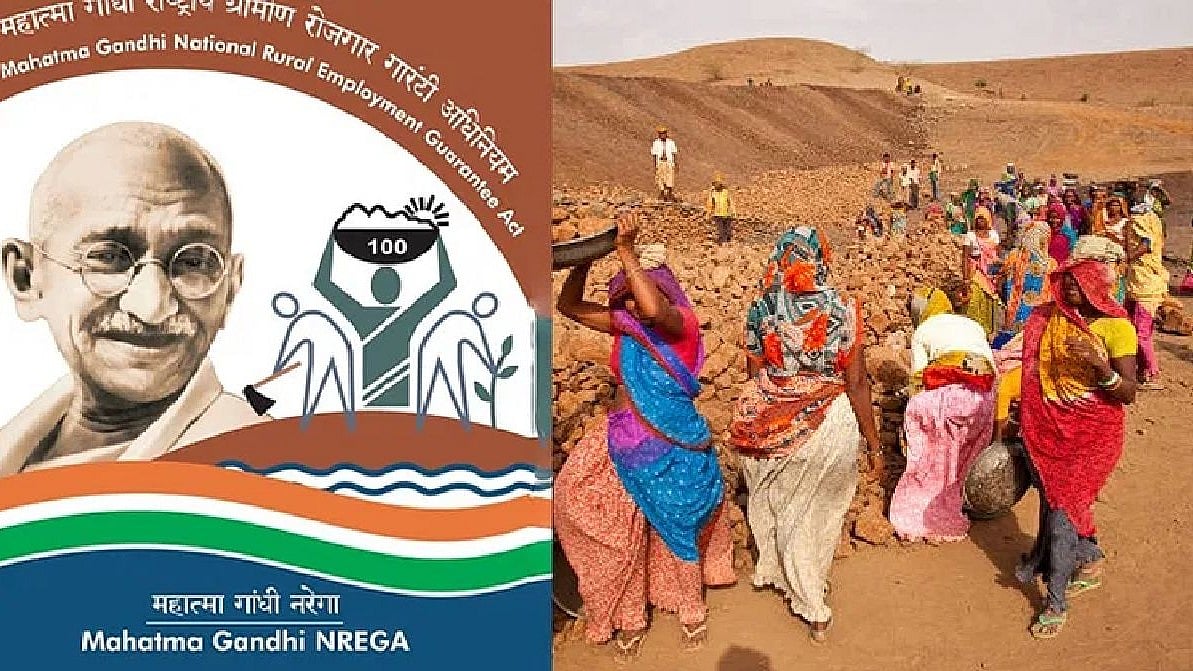
The Centre on Saturday released draft rules for the implementation of the Viksit Bharat – Guarantee for Rozgar and Ajeevika Mission (Gramin) Act, 2025, ahead of the scheme’s nationwide rollout from 1 July.
Framed under Section 33 and other provisions of the Act, the draft rules have been placed in the public domain for consultation before finalisation.
Officials in the Ministry of Rural Development said the rules are designed to establish the institutional, financial and administrative framework necessary for implementing the new rural employment programme across all States and Union Territories.
The proposed rules cover transitional arrangements from MGNREGA to VB-G RAM G, grievance redressal mechanisms, payment of wages and unemployment allowances, expenditure norms, administrative expenses and the functioning of newly proposed bodies such as the National Level Steering Committee and the Central Gramin Rozgar Guarantee Council.
The draft transitional provisions also seek to ensure continuity of ongoing works, settlement of liabilities, transfer of records and continued validity of e-KYC verified job cards during the transition period until States formally notify the new scheme.
Officials said the consultation process aims to facilitate wider stakeholder participation and gather feedback from States, institutions, civil society organisations, experts and the public.
The development follows a recent meeting of the Parliamentary Standing Committee on Rural Development and Panchayati Raj, chaired by Congress MP Saptagiri Ulaka, where members were briefed on the preparations for implementation of the law.
Rural Development Secretary Rohit Kansal is understood to have informed the committee that 25 States had already allocated funds for the programme and that administrative and policy preparations were progressing ahead of the July 1 launch.
The VB-G RAM G Act replaces the Mahatma Gandhi National Rural Employment Guarantee Act (MGNREGA) and increases the guaranteed employment entitlement from 100 days to 125 days per rural household annually. The scheme also proposes greater emphasis on village-level planning, asset creation and digital monitoring systems.
However, concerns raised by Opposition parties and civil society groups since the law was introduced have continued to shape the debate around the new framework.
Opposition parties, particularly the Congress and Left parties, have argued that the legislation weakens the core rights-based structure of MGNREGA by moving away from a demand-driven legal guarantee of employment towards a more allocation-based framework dependent on budgetary ceilings.
Critics contend that under the earlier MGNREGA model, rural households had a legally enforceable right to seek employment on demand, whereas the new structure risks making employment contingent on availability of allocated funds. Opposition leaders have repeatedly warned that if funds are exhausted, the guarantee of work could effectively become unenforceable in practice.
Another major concern relates to the revised 60:40 Centre-State funding arrangement under the new framework. Opposition leaders and several state governments have argued that the shift could significantly increase the financial burden on poorer states already facing fiscal stress.
CPI(M) leaders and other Opposition MPs have claimed that states may collectively be required to bear tens of thousands of crores in additional expenditure annually under the revised model.
Political criticism has also centred on the removal of Mahatma Gandhi’s name from the programme title. Opposition parties have described the move as politically symbolic, arguing that it reflects an attempt to distance the new framework from the legacy and philosophy associated with MGNREGA.
Concerns have additionally been raised over the increasing centralisation of planning and monitoring mechanisms through digital platforms and national infrastructure systems. Critics argue that the expanded role of centralised digital oversight could reduce the autonomy traditionally exercised by gram sabhas and panchayats in identifying and prioritising local employment needs.
Civil society groups working in rural areas have also warned that greater dependence on digital verification systems, e-KYC processes and online monitoring could create barriers for vulnerable workers with limited digital literacy, poor internet access or incomplete documentation.
Labour rights organisations have further expressed apprehension over provisions allowing temporary suspension of work during sowing and harvesting seasons. Critics argue that such pauses may compel rural labourers to seek employment in private agricultural markets where wages and working conditions are often less regulated.
Despite the criticism, the Centre has maintained that the new framework is intended to modernise rural employment delivery, improve transparency, strengthen monitoring systems and enhance long-term rural asset creation while expanding the guaranteed number of employment days available to rural households.
With PTI inputs
Join our official telegram channel (@nationalherald) and stay updated with the latest headlines