Nation
Cold stoves, skeletal menus: LPG shortage hits hotel industry in India amid West Asia conflict
With LPG supply prioritised for households, eateries across major cities cut menus and brace for closures as fuel imports remain disrupted
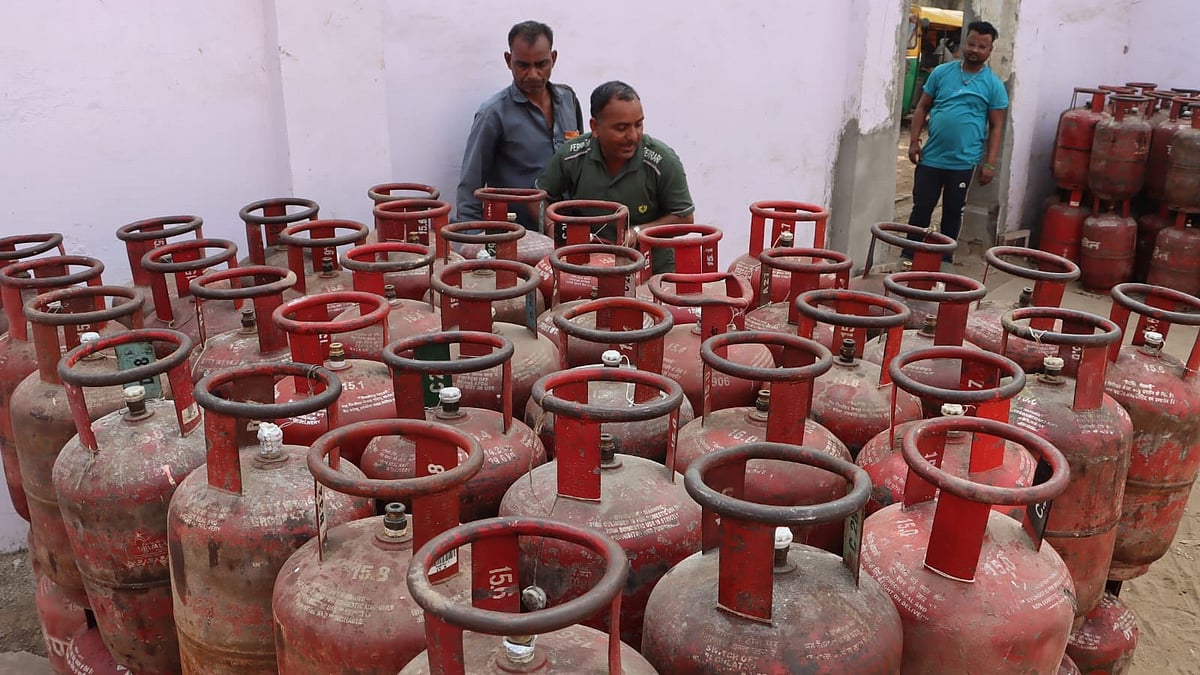
The ongoing conflict in West Asia is causing a severe commercial LPG shortage across India, forcing restaurants to cut menus, rely on alternate cooking methods, or even consider closure. With the government prioritising domestic LPG supply for households, commercial users like hotels and eateries face a worsening supply crunch.
From Chennai to Delhi, Mumbai to Kolkata, restaurateurs describe a bleak outlook. An executive from a popular Tamil Nadu chain said, “It is like a second COVID-19-enforced lockdown for us… For dosa, tea or coffee, the stove should receive LPG supply non-stop. We expect to run for one or two days with existing stock. If there is no supply, we have no option but to close down operations.”
Another Chennai hotel owner revealed, “We have stopped preparing fried rice, side dishes, and appam as these items require more LPG. We do not know how long this (supply crisis) will continue.”
The Indian Hotel & Restaurant Association (AHAR) president Vijay Shetty reported that 20 per cent of Mumbai’s hotels have already shut. Maharashtra Food Minister Chhagan Bhujbal warned, “Commercial LPG supply may decrease as oil companies have been directed to prioritise domestic consumers.”
In Kolkata, Piyush Kankaria of the National Restaurant Association said, “About 40 per cent of restaurants face immediate disruption, while another 30-40 per cent can run only for a few more days due to limited stock.”
Delhi seems relatively stable but business owners are preparing. Joy Singh, co-founder of Raasta, said, “We have started buying electrical appliances and may change the menu to save gas.”
However, switching fully to electrical cooking is not simple. Arjun Sagar Gupta of The Piano Man explained, “Some dishes and cooking techniques are gas-specific. The transition isn’t seamless.” Amit Gupta of New Delhi Traders’ Association added, “Dishes like dal makhni, rajma, biryani, nihari, and qorma require slow, low-heat cooking that’s hard to replicate electrically.”
Bengaluru restaurants are also struggling. Chandrashekhar Hebbar, president of Bangalore Hotels Association, said, “Closure is being considered. Saving gas can only last a day or two; after that, it will be impossible.”
Similar reports come from Lucknow and Puducherry. Deepti Pandey of Lucknow’s Kakke Di Hatti said, “We may barely have reserves for a couple of days before having to close.” A Puducherry hotelier shared, “We have limited sales of coffee, tea, or juice between 4 pm and 7 pm instead of usual tiffin items.”
In Odisha, Hotel & Restaurant Association chair J K Mohanty appealed to Petroleum Minister Hardeep Singh Puri, warning closures could disrupt tourism and cost jobs for 50,000 workers.
India consumes about 31.3 million tonnes of LPG each year, with 87 per cent used domestically and the rest commercially by restaurants and hotels. About 62 per cent of LPG comes through imports via the Strait of Hormuz, a crucial route blocked amid the US-Israel-Iran conflict. This disruption has severely curtailed India’s fuel supply and triggered the ongoing crisis.
(With agency inputs)
Join our official telegram channel (@nationalherald) and stay updated with the latest headlines