Nation
Agri secy accepts that super El Niño threatening rabi crops; may affect foodgrain output
Agriculture Secretary Atish Chandra says uneven rainfall and climate change are creating fresh challenges for the winter cropping season
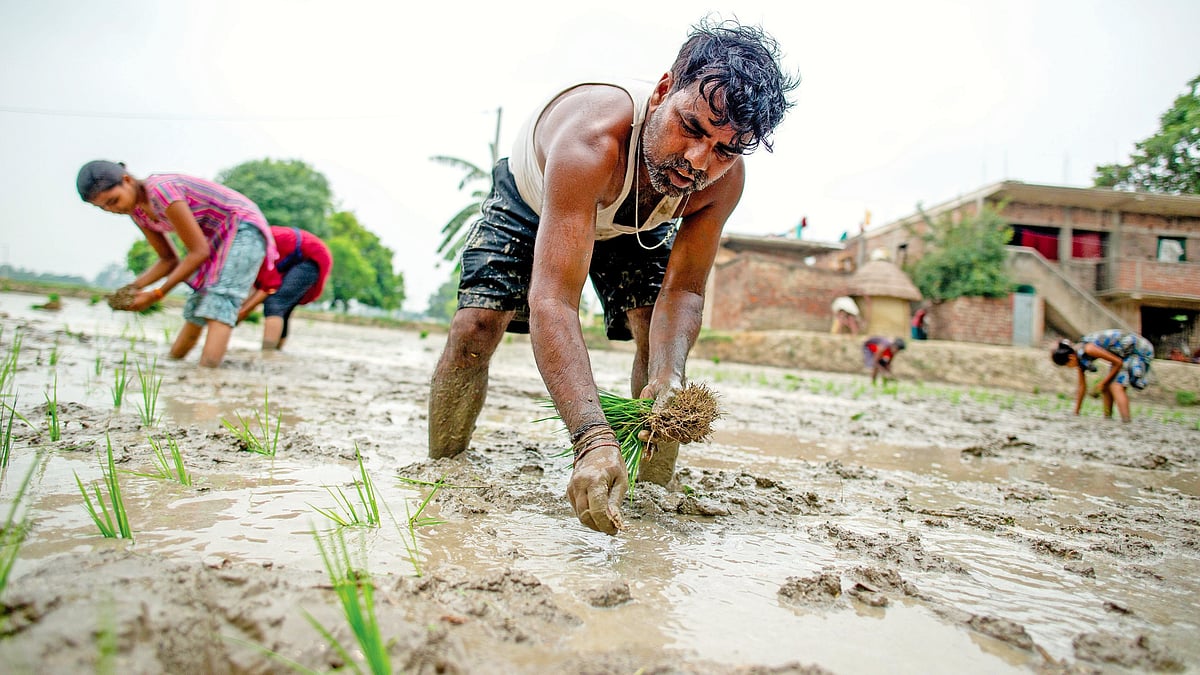
El Niño could make the upcoming rabi season particularly challenging for rainfed areas, potentially affecting foodgrain output.
Agriculture Secretary Atish Chandra said some regions may face excess soil moisture while others could experience prolonged moisture stress.
The government is focusing on crop diversification, sustainable farming, infrastructure and digital agriculture to improve resilience and farmer incomes.
The upcoming rabi season is likely to be challenging for rainfed areas because of the super El Niño weather pattern, with foodgrain production potentially affected, Agriculture Secretary Atish Chandra said on Monday.
Speaking at a two-day national conference on preparedness for the rabi season, Chandra said the kharif season had also proved difficult, particularly in rainfed regions, where several states struggled both with crop coverage and crop survival.
Sowing of major rabi crops such as wheat and mustard begins in October.
“We are seeing that in the coming season, production is likely to be affected to a large extent. And the rabi season will also be challenging for the rainfed areas,”
Chandra said some states could face excess soil moisture, while areas with deficient rainfall could experience prolonged moisture stress. He said strategies would therefore have to be calibrated according to local conditions.
He described climate change as a present reality, noting that even irrigated areas had experienced untimely and heavy rainfall that damaged crops.
“We used to think that we will face the challenges of climate change later. But now we see the changes happening, and they are happening at a fast pace,” Chandra said.
India has achieved self-sufficiency in cereals but continues to import pulses, oilseeds and some horticultural produce, including fruits, he noted.
Rabi crops are normally sown across around 638 lakh hectares. Wheat accounts for more than 300 lakh hectares, followed by pulses at around 140 lakh hectares, oilseeds at 87 lakh hectares and coarse cereals at 55 lakh hectares.
Chandra called for greater crop diversification to improve self-sufficiency, while acknowledging challenges involving agricultural research, climate resilience and farmer incomes.
He said diversification must be accompanied by sustainable agricultural practices. Programmes such as 'Per Drop More Crop' and soil health initiatives, he added, need to be assessed on their actual impact on farms rather than merely by the amount of subsidies disbursed.
Improving farmer incomes should be a key focus for state governments, he said.
Chandra also identified agricultural infrastructure as a priority, pointing to gaps in both pre-production and post-production facilities. Modernising infrastructure, he said, was necessary to reduce losses.
On agricultural markets, he noted that fruits and vegetables do not have a procurement mechanism despite expanding production and growing market-led demand. Horticulture, he said, is now growing faster than cereals, pulses and oilseeds.
He also called for a review of existing reforms, saying that safeguards around some reforms could prevent them from functioning effectively.
Digital agriculture was identified as another major priority, with Chandra arguing that gaps in production, land coverage and farmer data weaken agricultural planning.
He said decisions relating to rabi, kharif and zaid crops require accurate production and land-use data, along with farmer IDs.
The farmer ID initiative, he said, would help reconnect farmers with land records and bring cultivators into the formal agricultural information system.
The Agriculture Ministry's two-day rabi conference is being held in New Delhi on 28 and 29 September to finalise crop plans and assess requirements for seeds, fertilisers and other inputs.
Join our official telegram channel (@nationalherald) and stay updated with the latest headlines