Nation
Ethanol-blended petrol not an ‘experiment’, says government
Following widespread backlash, A-G R. Venkatramani's office said reports about E20 "experiment" were false
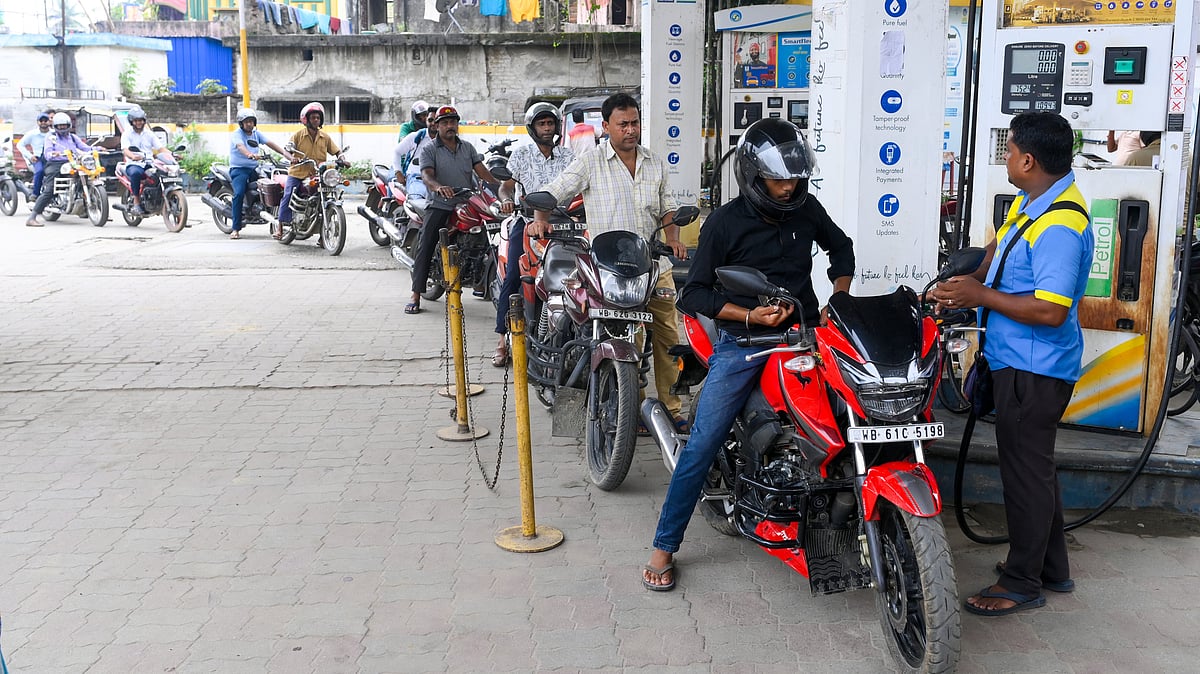
Attorney-general R. Venkatramani was quoted in various media reports and on social media as telling the Supreme Court on Tuesday, 30 June that India's ethanol blending programme was still evolving and that its impact would become clearer over time.
“Every year, there may either be a spurt in demand or a fall in demand. The 20 per cent ethanol blending programme is still something the government is trying to experiment with. By next year, October onwards, probably the demand may go down,” he was quoted as saying.
The A-G was arguing against an order passed by the Karnataka High Court directing oil marketing companies to accommodate the offer of a supplier to supply more ethanol than was allotted to it. Since supply orders for the year had already been decided and allotted, he argued, changing the allotment of one supplier would disrupt the supply chain as 75 other suppliers would make similar demands. The A-G was practically admitting that the government had created excess supply of ethanol than required.
In September 2025, the Supreme Court had dismissed petitions challenging the E20 programme and declared ethanol-blended petrol to be legal. The A-G had then argued that petitioners reflected the interests of a larger lobby intent on obstructing India’s clean fuel transition. “The policy is benefiting our sugarcane farmers and is saving precious foreign exchange. Will people outside the country dictate what kind of fuel India should use?” he had asked during the hearing.
On Tuesday evening, Karnataka home minister Priyank Kharge fumed at the "experiment on 3.6 crore Indian car-owners". Claiming that 9 out of 10 vehicles in India are not compatible with E20, he pointed out that the policy was rolled out without consensus, without public consultation and without remorse.
“You cannot call a national fuel shift an 'experiment' after forcing it down our tanks. You cannot challenge citizens to prove damage when your own data is still pending. Common people are not guinea pigs. Our roads are not test tracks. Our pockets are not your trial budgets. Roll back E20. First, prove. Then, deploy,' Kharge said.
Critics of the E20 programme have often cited NITI Aayog’s 2021 report ‘Roadmap for Ethanol Blending in India 2020-25’, which noted that blending ethanol up to 20 per cent could cut fuel efficiency by 6-7 per cent in four-wheelers and 3-4 per cent in two-wheelers. The blended fuel, the critics say, slows down cars, reduces mileage, damages parts and often stalls running engines.
Other critics claim that the E20 programme was neither meant to benefit Indian farmers nor designed for transition to cleaner fuel. While ethanol-blended petrol is common in both EU countries and in the US, it is E10 (10 per cent ethanol) that is generally on sale, with E5 petrol available for older cars. In India, the demand that E10 be pursued and unblended petrol be also made available has not been conceded yet; 80 per cent of the Indian cars on the road are not E20-compliant, they point out.
Some critics believe that the ethanol-blending programme is being accelerated to open a permanent market for American corn, ethanol and DDGS, a byproduct of ethanol used as animal feed, especially after India last year committed to double imports from the United States.
Mark Mueller, president of the Iowa Corn Growers Association, called India's $500 billion trade commitment over the next five years as "a win for US corn farmers". While the government argues that it would save foreign exchange by reducing import of crude oil with the ethanol-blend, it may be offset by import of grains from US to manufacture ethanol.
The US grains and bioproducts council opened a permanent office in New Delhi and the US Soybean Export Council has opened a soy excellence centre in India, lending strength to the suspicion that soybean, maize and corn could soon be imported to make ethanol.
India has already diverted rice to the distillers. Maharashtra chief minister Devendra Fadnavis signed a Maharashtra-Iowa partnership MoU during a visit to the US and with E20 petrol made mandatory in all fuel outlets in April 2026, the stage is set for Indian cars’ adventure with ethanol.
Join our official telegram channel (@nationalherald) and stay updated with the latest headlines