Nation
In new series of posts, Sonam Wangchuk’s wife takes on establishment, debunks charges
Spouse alleges remarks were taken out of context, says material cited to label Wangchuk a “provocateur” was withheld till last moment
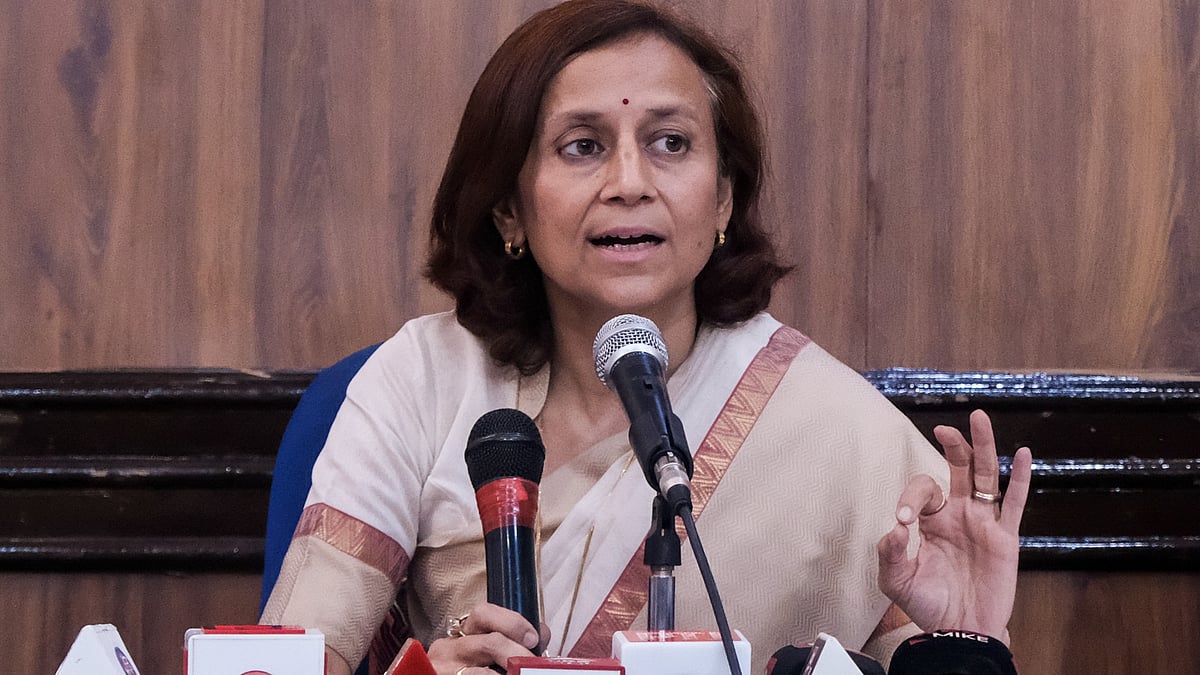
The wife of climate activist and education reformer Sonam Wangchuk has alleged that his detention was based on a “misrepresentation” of his words and a deliberate distortion of video footage, claiming that the grounds cited by the authorities were factually incorrect and violated due process under the NSA (National Security Act).
In a video statement, she said she had repeatedly explained in interviews and podcasts that Wangchuk’s detention was carried out on “wrong grounds” and that references to his speeches were selectively edited to create a false narrative. However, she said there was still widespread confusion about what he actually said and how his remarks were interpreted.
She said she would explain each ground of detention in detail through a series of videos to clarify how Wangchuk’s statements were allegedly misrepresented.
Addressing the first ground of detention, she said the authorities accused Wangchuk of being the “chief provocateur” of violence on 25 September and of allegedly urging young people to come out on the streets by drawing parallels with Nepal.
She categorically rejected this claim, calling it “completely false”.
According to her, the detention order cited a specific video under “Annexure A”, but despite repeated requests, this video was not provided for 28 days. She pointed out that under NSA rules, all detention-related material must be supplied to the detenue within 10 days.
“This material was possibly withheld deliberately because there was nothing of that sort in the video,” she alleged.
She said Wangchuk finally received access to the video only on October 23, a day before he had to appear before the Advisory Board on October 24, leaving him with “not even an hour” to prepare his defence.
Explaining the contents of the video, she said it was not recorded at the hunger strike site and did not precede the incident in question. Instead, it was filmed at Wangchuk’s home at around 5 pm, after the event had already taken place, as part of an interview with newspapers and television channels.
In the interview, Wangchuk was asked whether the protest resembled similar movements elsewhere and whether parallels could be drawn with Nepal.
She said Wangchuk responded that he did not know, adding that young people had never participated in such actions earlier and that he hoped such an incident would never be repeated.
Wangchuk also said the sudden appearance of young protesters was unexpected, as Ladakh residents had long complained that the younger generation rarely participated in hunger strikes, which were usually attended by elders.
He noted that people had scarcely seen such youths earlier and that their sudden presence surprised everyone. On the Nepal comparison, she said Wangchuk merely remarked that people sometimes take inspiration from events elsewhere but stressed that he had no knowledge of such influence in this case.
She maintained that none of Wangchuk’s statements amounted to provocation and said the detention was built on selective interpretation rather than facts.
Join our official telegram channel (@nationalherald) and stay updated with the latest headlines