Nation
India rejects claims Bhutan refused E20-blended petrol, but there’s a catch
Petroleum ministry denies Bhutan rejected India's E20 fuel offer; report cites tank compatibility concerns
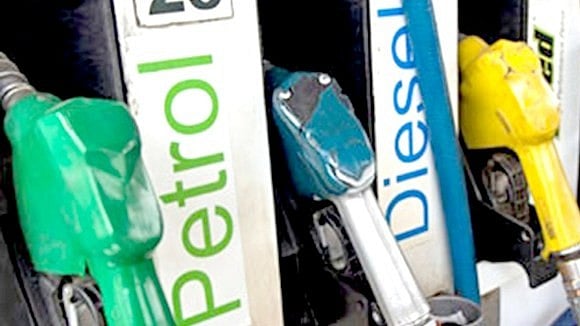
Is Bhutan importing ethanol-blended petrol from India, since IOCL, BPCL, and HPCL are the main fuel suppliers to Bhutan, asked The Bhutanese, the Thimphu-based newspaper. “The Bhutanese put this question to the Department of Trade and asked if our lab at Chunzom is testing for ethanol. The Department said that Bhutan is not importing E20 petrol. It has been learnt that Indian Oil Marketing Companies (OMCs) have been offering to supply E20 petrol to Bhutan, but Bhutan has resisted so far,” read the report published by the newspaper.
India’s petroleum ministry was prompt in denying the report. The report, it stated, was factually incorrect and there was no question of supplying E20 petrol to Bhutan. In response The Bhutanese published the written response it had received from Bhutan’s Department of Trade confirming the report. So, who is lying or is someone falling back on half-truths? A more important question is whether India is supplying unblended petrol to other countries? Also, assuming that Bhutan did refuse to buy E20 petrol, what was the ground for refusal?
The report published by The Bhutanese quotes officials as saying that the existing condition and quality of several underground storage tanks maintained by dealers could have posed problems for fuel quality. Older fuel storage tanks could be susceptible to seepage of underground water and once water contaminated ethanol-blended fuel, they cannot be separated easily.
An official explained that many of Bhutan’s fuel tanks are very old and, given their age and the Himalayan terrain, it is expected that there is some slight seepage of water into the fuel tanks. The official said that if E20 is stored in such tanks, the ethanol component of the fuel will absorb water, which will both dilute the fuel and change its chemical composition. The official said that, in such a scenario, there is a high chance of major engine issues, and the vehicle may even fail to run. He said this would quickly become a public issue and then a media issue.
“Even in the event that India transitions to higher levels of ethanol blending or eventually adopts fully ethanol-blended petrol, Bhutan has requested that advance notice be provided. This would allow fuel dealers, in collaboration with PSUs/OMCs, sufficient time to upgrade underground storage tank infrastructure and related fuel handling systems to ensure leak-proof and seepage-free storage facilities capable of safely handling ethanol-blended fuels.”
“If Bhutan is ever mandated to accept E20 fuel, advance notice must be given so there is enough time to overhaul the entire fuel storage and transportation system. He added that Indian OMCs should provide leak-proof tanks…According to the official, Bhutan will not accept E20 under the current circumstances.”
An official with Tashi BOD, the nation’s largest fuel distributor confirmed to The Bhutanese that currently fuel stations in Bhutan cannot handle ethanol because of the water seepage issue and that all underground fuel tanks would have to be replaced. “He also said that E20 is especially not suited to hilly terrain like Bhutan …vehicles require more power in the hills, and E20 will not provide optimum performance.”
The story raises two questions which the union ministry of petroleum needs to clarify. First, has the performance of E20 petrol been tested in India’s hilly terrains and indeed under vastly different climatic conditions in the country? The other question is whether Indian petroleum dealers were given sufficient notice to modify the underground tanks to ensure that water does not mix with the blended fuel?
Join our official telegram channel (@nationalherald) and stay updated with the latest headlines