Nation
India rolls back emergency gas rules as Hormuz shipping revival eases energy concerns
Ministry says regional conditions improved with a ceasefire, ongoing talks and resumption of Hormuz shipping
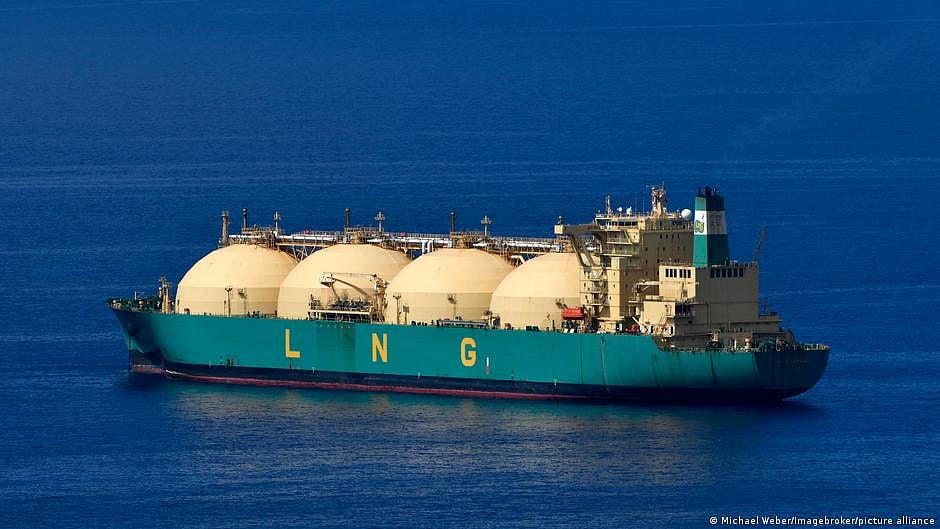
India has rolled back most provisions of its emergency natural gas supply regulations introduced during the recent West Asia conflict, following the restoration of liquefied natural gas (LNG) shipments through the Strait of Hormuz and signs of stability returning to global energy markets.
In an official notification, the Ministry of Petroleum and Natural Gas amended the Natural Gas (Supply Regulation) Order, 2026, withdrawing key measures that had allowed the government to control the allocation of domestically produced natural gas and imported LNG based on a priority list of consumers.
The ministry said the regional situation had improved significantly, with a ceasefire holding, diplomatic discussions progressing and maritime movement through the strategic Strait of Hormuz gradually returning to normal. The resumption of shipping activity has helped ease concerns over possible disruptions to India's energy supplies.
The emergency regulations were introduced under the Essential Commodities Act after hostilities in West Asia disrupted LNG flows through the crucial waterway. The conflict involving the United States, Israel and Iran had forced some suppliers to declare force majeure and reroute cargoes, raising concerns over India's access to natural gas.
The government had introduced three emergency measures to protect domestic energy security during the disruption. Along with gas supply controls, it had directed refiners to increase LPG production by diverting feedstock from petrochemical units and restricted diesel sales to bulk consumers. The other two measures had already been withdrawn after supply conditions improved.
India’s energy security remains closely linked to developments in West Asia, with the country importing nearly 88 per cent of its crude oil requirements and around half of its natural gas consumption. A significant share of these supplies passes through the Strait of Hormuz, including nearly 40-45 per cent of crude imports and around 65 per cent of LNG shipments.
While India was able to diversify crude oil sources during the disruption, natural gas supplies remained more exposed due to the dependence on LNG cargoes from Qatar, most of which travel through the strategic maritime corridor.
With shipping routes reopening and supply pressures easing, the rollback of emergency gas regulations marks a cautious return to normalcy for India’s energy sector.
With IANS inputs
Join our official telegram channel (@nationalherald) and stay updated with the latest headlines